

Beyond the Tawang Trail
When Indian travellers dream of a road trip in Arunachal Pradesh, the classic circuit usually involves the route to Tawang, a journey defined by high-altitude passes and majestic monasteries. This well-trodden path takes you from the plains of Assam through
towns like Bomdila and Dirang, across the famed Sela Pass, and finally to the heart of Monpa culture in Tawang. It is, without question, a spectacular trip. But for those who have already seen it or are searching for a deeper sense of isolation, there lies an alternative. The road that forks from the main highway towards Mago offers an experience that the main tourist route, with its increasing popularity, can no longer provide: true, untouched wilderness.
Dirang: The Scenic Gateway
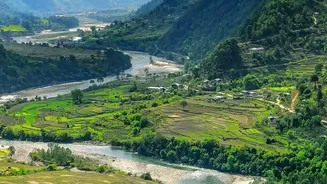
The adventure begins in Dirang, a picturesque valley town that often serves as a night halt for travellers heading to Tawang. But Dirang is more than just a stopover. Nestled at a lower, more comfortable altitude, its landscape is dotted with kiwi orchards, apple groves, and the beautiful Dirang Monastery. The Dirang River valley provides a gentle climate, making it an ideal place to acclimatise before ascending to greater heights. While here, visitors can explore the old Dirang Dzong, a 15th-century fortified structure, and soak in the local hot springs. This serene town sets the stage, serving as the perfect launchpad for the rugged journey that lies ahead towards the remote village of Mago.
A Glimpse of History at Thembang
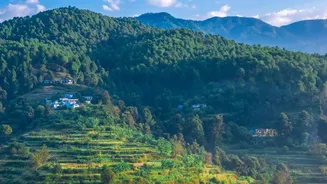
A crucial and captivating stop on this alternative route is Thembang, a fortified village that sits on UNESCO's tentative heritage list. Perched at an altitude of 2,300 meters, this ancient settlement is a living museum of Monpa history and architecture. The village is enclosed by stone ramparts with imposing gates, remnants of a time when it was a strategic regional power. Unlike a ruin, Thembang is a vibrant community where families live in traditional stone-and-wood houses, offering homestay experiences for visitors. Staying overnight in Thembang is to step back in time, listening to stories of ancestral warriors over a cup of butter tea and experiencing a silence that is increasingly rare.
The Ascent to Mago
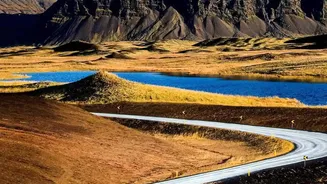
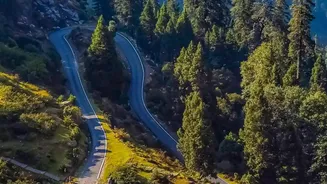
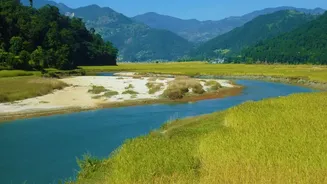
From the Dirang region, the drive to Mago takes between seven to nine hours, depending on the weather and road conditions. This is where the real adventure begins. The journey requires a sturdy 4x4 vehicle, as the road beyond the town of Jang becomes a rugged, unpaved track that winds through breathtaking scenery. The landscape shifts dramatically, from dense pine forests and misty mountains to the roaring rivers that carve through deep gorges. The drive is challenging but immensely rewarding, offering a sense of scale and isolation that few routes in India can match. Every turn reveals a new vista—cascading waterfalls, crystal-clear streams, and eventually, the high-altitude meadows that signal your approach to Mago.
Mago: A World Apart
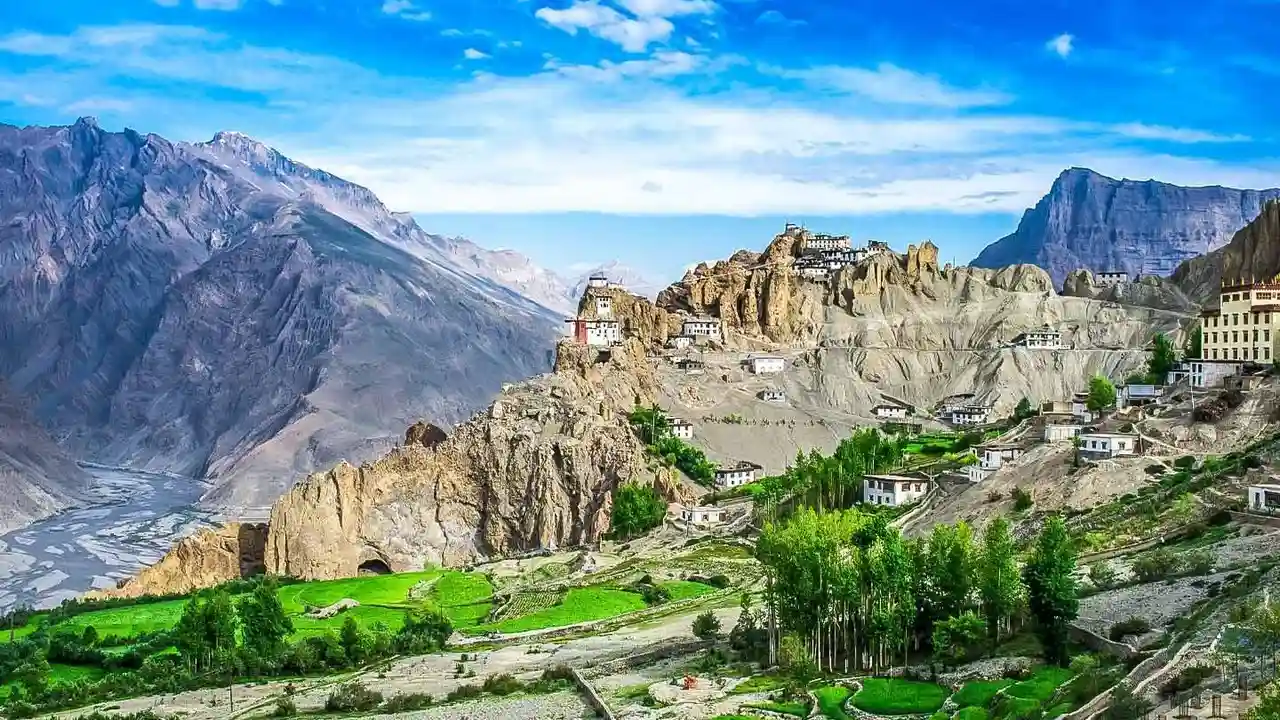
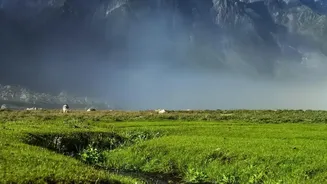
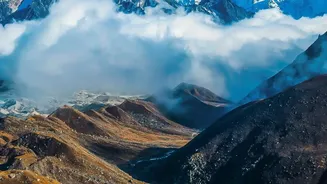
Mago village, situated near the India-China border at over 3,500 metres, is not a tourist destination in the conventional sense. It is a remote settlement of about 75 households, primarily from the Monpa community, whose lives revolve around herding yaks. The main attractions here are not monuments, but the raw, unfiltered beauty of the Himalayas. The village is famous for its natural hot springs, a welcome respite in the cold mountain air. Surrounded by towering, often snow-capped peaks, Mago offers panoramic views that are both humbling and awe-inspiring. Accommodation is basic, limited to a government guesthouse and a few homestays, where you eat what the family cooks. It’s a place for a digital detox, as mobile networks are largely non-existent.
Know Before You Go
Planning a trip to Mago requires careful preparation. An Inner Line Permit (ILP) is mandatory for all Indian citizens entering Arunachal Pradesh and can be applied for online. Foreign nationals require a Protected Area Permit (PAP) and must travel through a registered tour operator. The best time to visit is from October to April, avoiding the monsoon when roads can be treacherous. Always carry enough cash from a major town like Tawang or Dirang, as there are no ATMs in Mago. Due to its proximity to the border, you will encounter army checkpoints where you must present physical copies of your permits and ID. A robust 4WD vehicle is essential for this journey.