




The Offer That Captivated the Internet
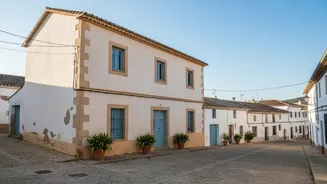
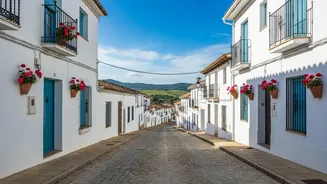
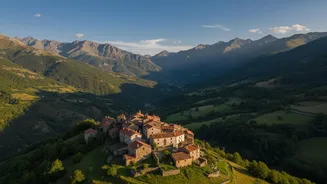
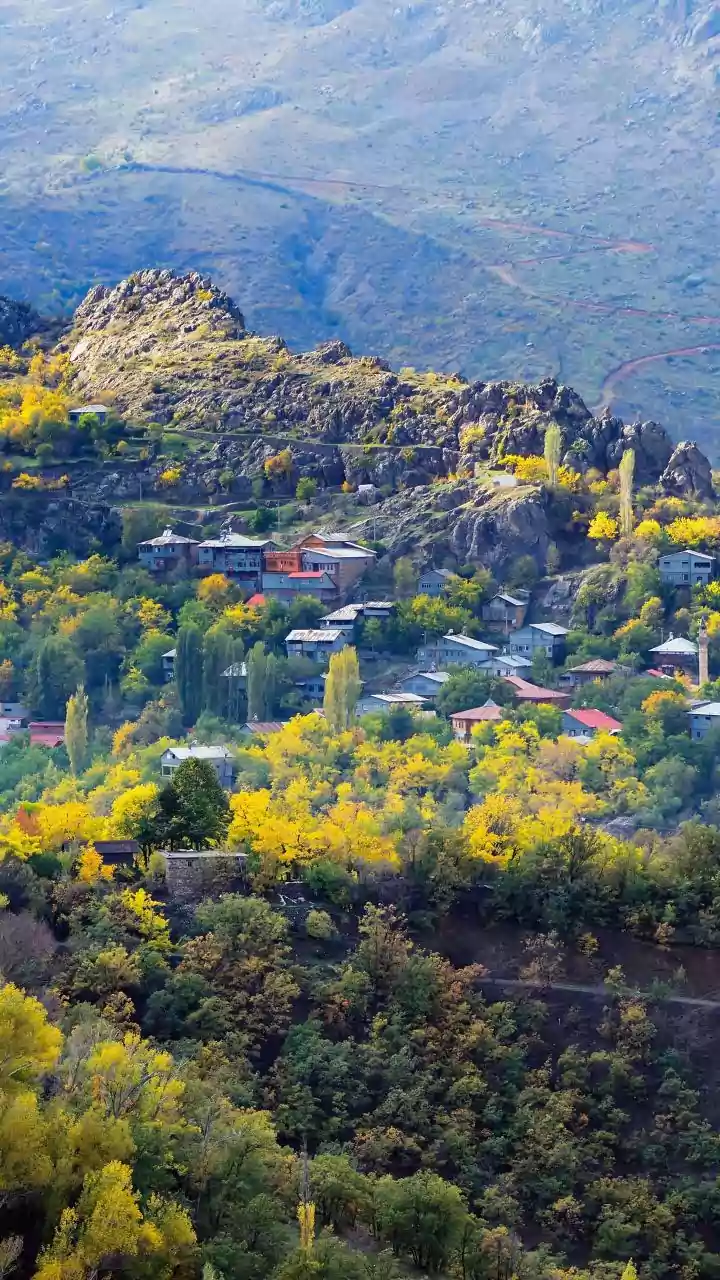
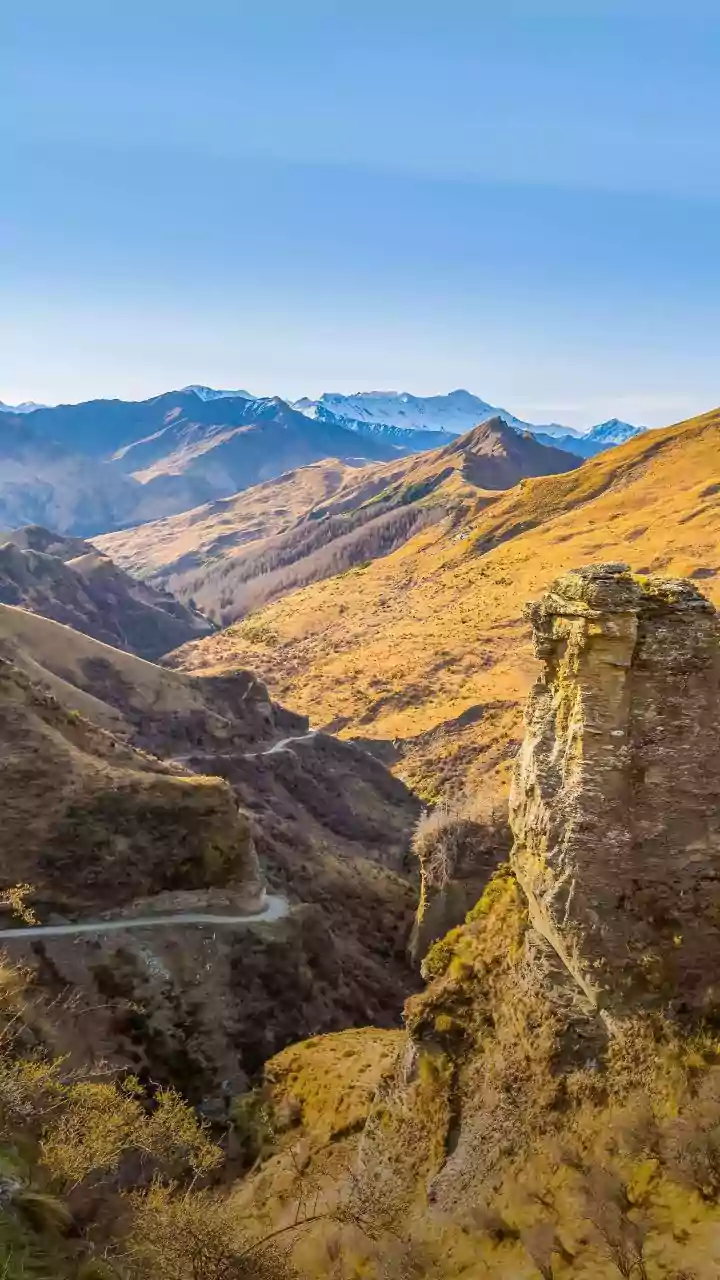
For years, the small municipality of Ponga, nestled in the stunning Picos de Europa mountain range in Asturias, northern Spain, became an online sensation. The offer was simple and incredibly appealing: the town would pay couples or individuals a sum,
often reported as around €3,000, to move there. An additional bonus, also around €3,000, was promised for every child born in the village. For those dreaming of escaping the hustle of city life for a tranquil, nature-filled existence, it seemed like the perfect opportunity. The story was shared globally, painting a picture of a welcoming Spanish paradise eager to reward new residents.
A Solution to 'Empty Spain'
The Ponga initiative was not just a clever marketing gimmick; it was a genuine attempt to solve a serious national problem. Spain is grappling with a demographic crisis known as 'España Vaciada' or 'Emptied Spain'. For decades, younger generations have been leaving rural inland villages for better opportunities in large coastal cities like Barcelona and Madrid. This has left hundreds of towns with dwindling and rapidly ageing populations, threatening the survival of local schools, shops, and essential services. To combat this, local and regional governments have started offering creative incentives, from cash grants to cheap land and rent-free housing, to attract new life and ensure their communities have a future.
The Fine Print of Paradise
While the headlines were tantalising, the reality of the Ponga deal came with significant commitments. This wasn't free holiday money. Newcomers had to commit to living in the village for a minimum of five years. Breaking this commitment could mean having to repay the grant. The programme was primarily designed to attract families who could contribute to the local community long-term, particularly by enrolling children in the local school to keep it viable. Furthermore, the grant was a local incentive and had no bearing on immigration status. Non-EU citizens still needed to secure the legal right to live and work in Spain on their own, a crucial detail often lost in the viral excitement.
Overwhelmed by Global Interest
The viral nature of the Ponga story ultimately led to the programme's demise. The small town hall, with a population of fewer than 600 people, was completely inundated with applications and enquiries from all over the world. The administrative capacity to vet thousands of potential residents, verify their eligibility, and manage the logistics was simply not there. The story kept resurfacing online in articles and videos, often years after it was first announced, leading to a constant stream of hopeful applicants chasing a deal that was no longer practically manageable. According to recent reports from travel and relocation experts in 2026, the famous Ponga relocation scheme is no longer active.
The Future of Rural Relocation
While the Ponga chapter is now closed, the trend of rural repopulation incentives in Spain continues. Other regions are learning from Ponga's experience and creating more structured programmes. Extremadura's 'Live in Ambroz' initiative, for instance, offers grants up to €15,000 specifically targeting remote workers who can bring their own income. In Galicia, the village of Rubiá has offered a more modest monthly stipend to help with living costs. These schemes are often run in funding rounds, meaning they open and close depending on budget availability. The key takeaway is that while opportunities exist, they require careful, up-to-date research and a genuine commitment, not just a response to a viral headline.