
A Shift in the Air You Can Feel
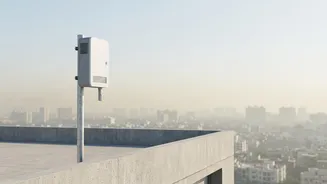
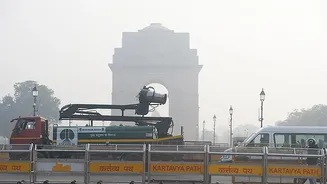
After a period of relatively clean air, residents across the National Capital Region are noticing a tangible dip in air quality. In the first week of October, the average Air Quality Index (AQI) settled at 171, the highest for this period since 2023.
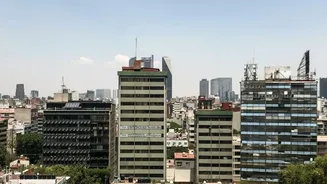
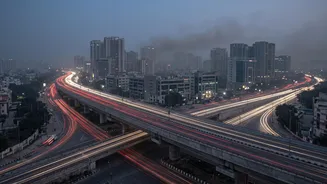
While still in the 'moderate' category, several monitoring stations have already recorded 'poor' air, particularly in areas like Mundka, Narela, Dwarka, and IIT Delhi. This shift signals the end of the monsoon's cleansing effect and the beginning of conditions favourable for trapping pollutants. On October 4, Delhi's AQI reached 187, the highest in nearly three months, with PM10—larger dust particles from roads and construction—being the dominant pollutant. This deterioration is an early warning sign of the challenging months ahead.
The Monsoon's Farewell Gift: Stagnant Air
The primary driver behind this change is meteorological. The withdrawal of the southwest monsoon means two things for Delhi's air: no more rain and a significant drop in wind speed. Rain acts as a natural scrubber, washing particulate matter out of the atmosphere. Its absence allows pollutants to hang in the air for longer. Simultaneously, the strong winds that accompany the monsoon season, which help disperse emissions, have died down. According to the India Meteorological Department (IMD) and other weather experts, wind speeds have become too weak to effectively blow away the pollution generated daily within the landlocked region. This creates a 'trapping' effect, where emissions from various sources get stuck close to the ground.
A Lid Over the City
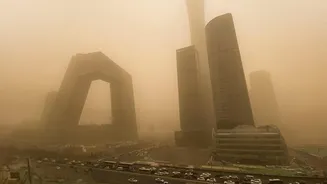
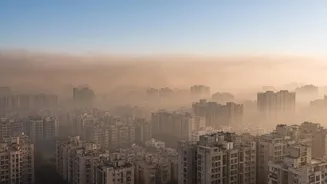
The problem is compounded by a phenomenon known as temperature inversion, which becomes common as winter approaches. Cooler, denser air gets trapped at the ground level beneath a layer of warmer air above. This essentially puts a lid on the city, preventing pollutants from rising and dispersing vertically. Forecasters note that the current ventilation index—a measure of the atmosphere's ability to disperse pollutants—is low, a condition considered unfavourable for air quality. This combination of low horizontal wind speed and vertical trapping is the classic recipe for Delhi's infamous smog season, and the ingredients are now coming together.
The Return of Familiar Polluters
While weather conditions create the trap, it is the pollutants themselves that fill it. The sources are a familiar mix of local and regional emissions. Daily culprits include heavy vehicular traffic, industrial output, and dust from rampant construction and demolition activities. Adding to this local soup is the beginning of the stubble burning season in neighbouring states. While early data from October 6 shows that farm fire counts in Punjab (88 incidents since mid-September) are the lowest in seven years for this period, the incidents are starting to be recorded. Flying squads have been deployed in 34 districts across Punjab and Haryana to monitor and control these fires, but as harvesting picks up, their contribution to Delhi's pollution load is expected to increase.
What Are Authorities Doing?
In anticipation of the worsening air, the Commission for Air Quality Management (CAQM) has already revised and tightened the Graded Response Action Plan (GRAP). Some measures that were previously part of Stage II have now been moved to Stage I, which is implemented when the AQI is 'poor'. These include restrictions on inter-state buses that are not electric, CNG, or BS-VI compliant. The rules for diesel generator sets have also been brought forward to Stage I. Furthermore, the CAQM has expanded its monitoring of construction and demolition dust and is preparing for stricter vehicle restrictions under later GRAP stages, such as a ban on BS-III petrol and BS-IV diesel cars in Delhi and surrounding districts if the air quality deteriorates to 'severe' levels.