




The Sneaky Saboteur: What Is Portion Creep?
Portion creep, also known as portion distortion, is the gradual increase in the amount of food we consider a 'normal' serving size. Over the past few decades, everything from restaurant plates and beverage cups to packaged snacks and even bagels has grown
significantly larger. What might have been considered a large serving in the past is often today's standard. Research shows that when people are consistently presented with larger portions, they tend to eat more without necessarily feeling fuller or compensating by eating less later. This 'sneaky' effect means we unintentionally consume more calories, which, over time, can contribute to weight gain. The danger lies in its subtlety; our perception of a reasonable meal size has shifted, making it easy to overeat without even realizing it.
The Double-Up Dilemma: Understanding Double Carbing
Double carbing is the practice of eating two or more significant carbohydrate sources in a single meal. This is a common habit in many cultures, including India. Think of classic combinations like having roti and rice with your dal, a burger served with fries, pasta paired with garlic bread, or even poha that contains potatoes. While carbohydrates are an essential energy source, combining multiple, especially refined ones, can lead to a meal that is very high in calories and has a high glycaemic load. This causes a rapid spike in blood sugar and a corresponding surge in insulin. While this is a normal metabolic response, consistently doing this can make weight management more challenging, as high insulin levels temporarily suppress the body's ability to burn stored fat.
Why This Combination Matters for Your Waistline
When you combine portion creep with double carbing, the impact on your calorie intake is magnified. Imagine a plate that is already 20% larger than it was two decades ago. Now, fill a significant part of that oversized plate with both rice and a potato-heavy curry. You're not just getting a double dose of carbohydrates; you're getting a super-sized double dose. This combination can easily lead to a substantial, yet often unnoticed, calorie surplus. Meals that are heavy on carbs and light on protein and fibre are also less satiating, meaning you might feel hungry again sooner, leading to more snacking and overall higher calorie consumption throughout the day. This cycle makes it incredibly difficult to create the calorie deficit needed for weight loss.
A Toolkit for Mindful Eating
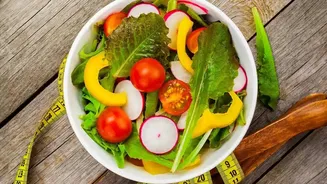
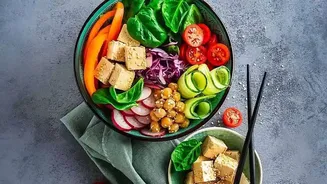
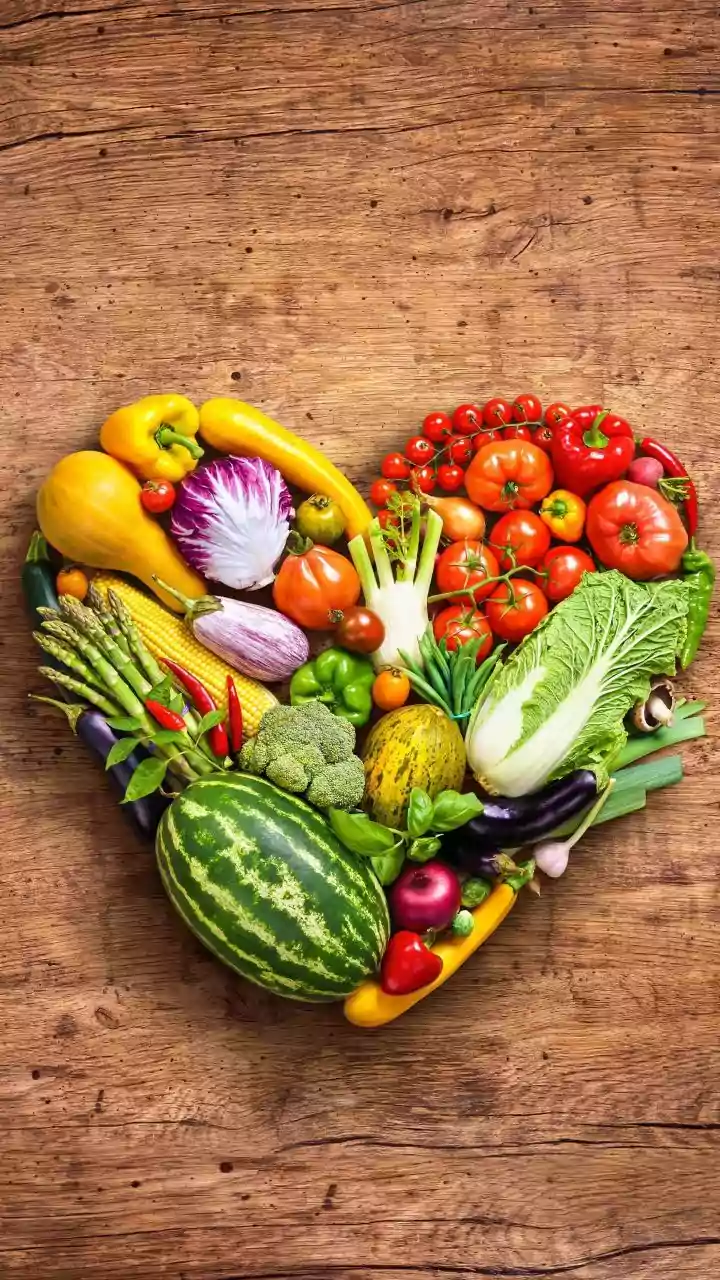
Regaining control doesn't mean eliminating carbs. It's about being more mindful and strategic. The 'Balanced Plate Method' is a simple, powerful tool: fill half your plate with non-starchy vegetables, a quarter with lean protein, and the final quarter with a single source of high-fibre carbohydrate. When choosing your carb, opt for whole grains like brown rice, millets, or whole wheat roti over refined options. Another simple trick is to use smaller plates. A smaller plate gives the illusion of being full even with less food, helping to counteract portion distortion. Finally, eat slowly and mindfully, paying attention to your body’s hunger and fullness cues. It can take up to 20 minutes for your brain to register that you're full.
Smart Swaps for Common Indian Meals
Applying these principles to everyday Indian meals is easier than you think. Instead of having dal with both rice and roti, make a choice: have a measured portion of either rice or one or two rotis, and double up on the salad or vegetable sabzi instead. If you're having a dish like aloo paratha, which already combines a carb (flour) with a starchy vegetable (potato), pair it with a bowl of plain curd and a side salad rather than more carbs or heavy pickles. When making poha or upma, reduce the amount of potato and increase the quantity of vegetables and protein sources like peanuts or peas. For snacks, instead of a samosa (potato filling in a refined flour pastry), consider options like roasted chana or a small bowl of sprouts.