

The UN's Sobering Report on Diet Costs
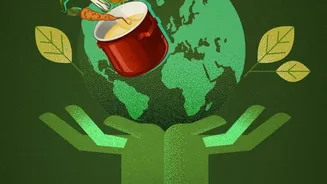
The latest 'State of Food Security and Nutrition in the World' report from the United Nations paints a stark picture. As of 2025, a healthy diet remains unaffordable for billions of people globally, with an estimated 2.69 billion unable to eat well. The average
cost of a healthy diet has risen, making it a significant challenge for many households. For India, while the cost of a healthy diet is relatively low compared to some other nations, a significant portion of the population—over a third, according to recent figures—still finds it unaffordable due to income levels. This highlights a critical need to find nutritious food solutions that don't strain the family budget.
The Superfood Myth: Is It Worth the Price?
The term 'superfood' is more of a marketing label than a scientific one. It's used to promote foods with high nutritional density, but this often comes with a premium price tag, especially for imported items like quinoa, chia seeds, and certain berries. While these foods are indeed nutritious, they are not magical. No single food can fix a poor diet or prevent disease on its own. Experts point out that the health benefits of many so-called superfoods can be found in a wide variety of more common and affordable foods, and that a balanced dietary pattern is far more important than any single ingredient.
India's Everyday Nutritional Champions
Your own kitchen is likely already stocked with nutritional powerhouses. Traditional Indian diets have long relied on a diverse range of lentils (dals), vegetables, fruits, and grains that offer incredible health benefits. For example, humble amla contains significantly more Vitamin C than popular berries. Turmeric has well-known anti-inflammatory properties. Leafy greens like spinach are packed with iron, while local and seasonal vegetables offer a wide array of essential vitamins and minerals without the high cost and carbon footprint of imported produce.
Millets: Our Original Superfood
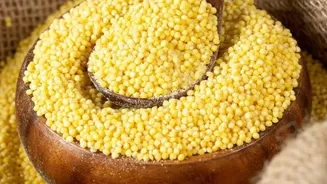
Before quinoa became a global trend, India had its own ancient super-grains: millets. Ragi (finger millet), bajra (pearl millet), and jowar (sorghum) are making a well-deserved comeback. When compared to quinoa, Indian millets often come out on top, especially for addressing local nutritional gaps. Ragi, for instance, has an extraordinary amount of calcium, many times more than quinoa. Bajra is exceptionally rich in iron, a critical nutrient where deficiency is common in India. These grains are also naturally gluten-free, high in fibre, and have a low glycaemic index, making them excellent for managing blood sugar.
How to Eat Healthy on a Budget
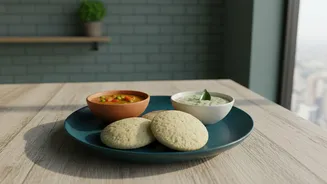
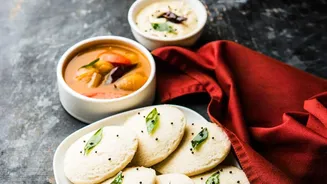
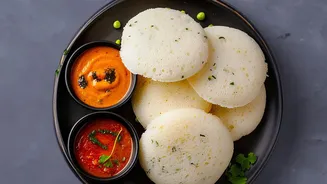
The UN report's findings don't mean you have to compromise on health. Instead, they invite a shift in focus. Embrace local, seasonal produce, which is often fresher, cheaper, and more nutritious. Re-discover the diversity of millets and incorporate them into your rotis, khichdi, or porridge. Rely on the powerful combination of dal and rice, which together form a complete protein. A balanced 'thali'—with its combination of grains, lentils, vegetables, and curd—is a time-tested model for a healthy and affordable meal. The goal is a balanced plate and a varied diet, not a collection of expensive, exotic ingredients.