



What Exactly Is Toum?
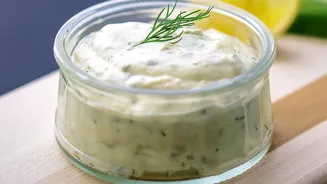
Toum, which simply means 'garlic' in Arabic, is a staple of Levantine cuisine, particularly in Lebanon. It’s an emulsion, a magical process where oil and a water-based liquid (in this case, lemon juice) are forced to become friends. The result is a thick,
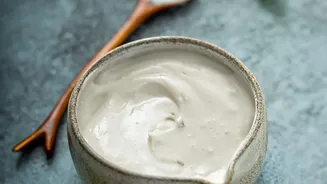
creamy, and intensely flavorful spread. While it might look like mayonnaise or aioli, traditional toum is distinct because it contains no eggs. The garlic itself acts as the emulsifying agent, breaking down and helping to suspend the oil in the lemon juice, creating a stable, fluffy sauce that is completely vegan.
The Science of Fluffy Garlic
Making toum is a lesson in kitchen chemistry. The process requires patience, as you must add a neutral oil like canola or sunflower oil to freshly blended garlic in a very slow, steady stream. If you add the oil too quickly, the emulsion will 'break,' leaving you with a separated, oily mess. The key is to give the garlic cells, which contain both water and oil-loving compounds, time to grab onto the oil droplets and hold them in suspension. A food processor is the modern tool of choice, though it was traditionally made with a mortar and pestle. Adding a splash of ice water can also help stabilize the emulsion and contributes to its signature light, whipped texture.
Your Guide to Making Toum
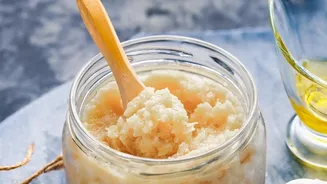
Ready to try it yourself? You’ll need about a cup of peeled fresh garlic cloves, the juice of one or two lemons, a pinch of salt, and about three cups of neutral oil. Start by pulsing the garlic and salt in a food processor until it forms a fine paste. Add the lemon juice and let it sit for a few minutes to mellow the garlic's raw heat. Then, with the processor running, begin drizzling in the oil. This is the crucial step: add it drop by drop at first, then in a thread-thin stream. It should take several minutes. Scrape down the sides of the bowl periodically. As the mixture thickens, you can alternate the oil stream with a tablespoon of ice water to keep it fluffy and stable. You’ll know it’s done when it’s thick, white, and holds its shape like mayonnaise.
How to Fix a Broken Toum
Even experienced cooks sometimes have their toum break. Don’t throw it out! The most common fix is to use an emulsifying agent to bring it back together. Some traditionalists use an egg white, but a popular vegan-friendly trick is to use aquafaba—the liquid from a can of chickpeas. Simply place a few tablespoons of aquafaba in a clean food processor bowl, turn it on, and then slowly stream your broken toum mixture back in. Within seconds, it should re-emulsify into the creamy sauce you were hoping for.
How to Use Your Homemade Toum
Toum is famously served with grilled meats like shish tawook (chicken kebabs) and shawarma, where its sharp, garlicky bite cuts through the richness of the meat. But its uses are nearly endless. Use it as a powerful spread on sandwiches and wraps, a dip for French fries or roasted vegetables, or dollop it onto a baked potato. You can also thin it with a little water or lemon juice to create a potent salad dressing or whisk it into pasta sauces or soups to add a deep layer of garlic flavour without any chopping.