



What is This New Safety Plan?
India's Ministry of Road Transport and Highways (MoRTH) has proposed a significant step to enhance road safety: mandating Vehicle-to-Vehicle (V2V) communication systems in all new vehicles from October 1, 2028. The plan involves a phased rollout, starting
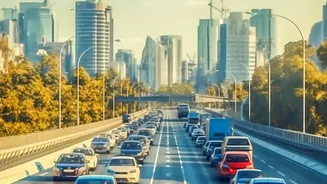
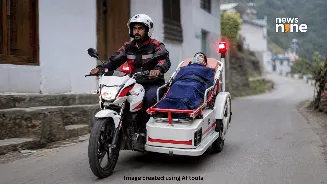
in 2027 with compliance for vehicles that voluntarily install the tech, before the full mandate kicks in. This covers everything from two-wheelers and passenger cars to buses and trucks (Categories L, M, and N), a crucial detail for India's diverse traffic landscape. The goal is to create a network where vehicles can constantly 'talk' to each other, sharing vital information to prevent accidents before they happen.
The Technology: How V2X Works
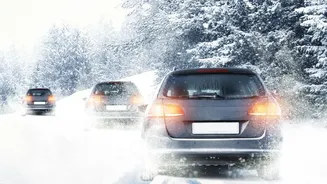
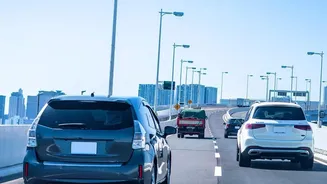
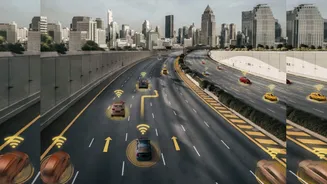
The technology powering this is called Vehicle-to-Everything, or V2X. It's an umbrella term for a communication ecosystem where cars exchange data with their surroundings. The first phase in India focuses on V2V, where cars share real-time data like speed, direction, and braking status. This happens automatically using a wireless technology called Cellular V2X (C-V2X), which operates on a specific, license-free frequency band. Unlike existing Advanced Driver Assistance Systems (ADAS) that rely on cameras and sensors with a limited line of sight, V2V can 'see' around corners and through other vehicles, providing warnings about hidden dangers.
The Blueprint: Automotive Industry Standard 230
The technical foundation for this plan is a new standard known as AIS-230. This document outlines the minimum technical, functional, and security requirements for the V2V communication systems installed in vehicles on Indian roads. Developed by the Automotive Research Association of India (ARAI), AIS-230 ensures that devices from different manufacturers can understand each other—a critical component for interoperability. It specifies requirements for radio performance, data accuracy from GPS (GNSS), and, importantly, cybersecurity, ensuring the messages sent between cars are reliable and secure.
The Promise of Safer Roads
The potential benefits are enormous. V2V communication can provide drivers with early warnings for a variety of dangerous situations. This includes alerts about sudden braking from a vehicle several cars ahead, a car driving the wrong way, or an emergency vehicle approaching an intersection. In a country with a high rate of road fatalities, this technology could be transformative. By enabling vehicles to share information proactively, the system shifts from reactive safety (airbags, crumple zones) to preventative safety, helping drivers avoid collisions altogether. Over time, as more connected vehicles join the network, the collective safety benefits will grow exponentially.
Hurdles on the Horizon
Despite the promise, there are significant challenges to overcome. The most immediate is the transition period; the system's effectiveness depends on how many cars are equipped with the technology. For years, new V2V-equipped cars will share roads with millions of older, non-connected vehicles. A major concern is cybersecurity. As cars become more connected, they also become potential targets for hackers. A malicious attack could involve spoofing messages or causing a denial-of-service, potentially leading to dangerous situations on the road. Protecting this data stream is paramount. Furthermore, there are valid concerns about data privacy, as connected cars can collect vast amounts of information about a driver's habits and location, which must be protected from misuse.