





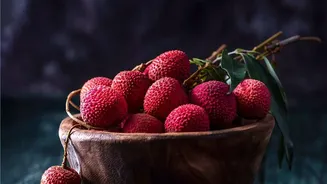


Judge by Colour and Shape
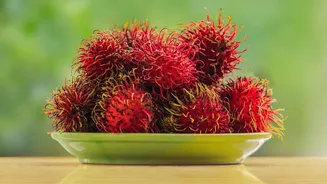
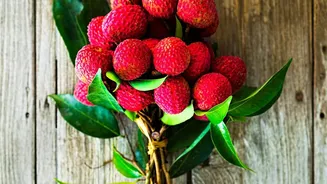
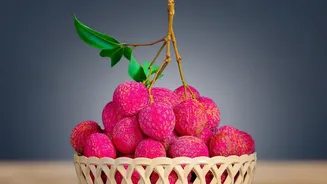
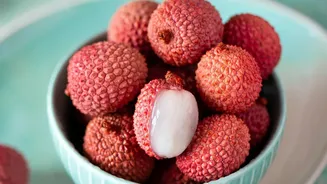
Your first clue to a perfect lychee is its appearance. Look for fruits with a vibrant, bright outer shell. Most ripe varieties will have a rich pink or reddish hue. While some types might have a yellowish or orange tint when ripe, you should generally
steer clear of those that are dull or have turned brown, as this is a common sign of spoilage. A fresh lychee should also look plump and full. An ideal fruit will be about an inch or more in diameter, feeling substantial for its size. The bumpy skin, sometimes called the 'alligator strawberry' look, should be intact and free from blemishes, dark spots, or cracks. Any visible cracks or splits can be a sign that the fruit is old or has been handled poorly.
The Importance of Touch
Once a lychee passes the visual test, it's time to gently pick it up. A perfectly ripe lychee should feel firm but have a slight springiness when you press on it. If it feels rock-hard, it’s likely underripe and won't have the desired sweetness or flavour. Conversely, if it feels overly soft, mushy, or wet, it is probably overripe and may have started to ferment. Pay attention to any leaking juices or sticky residue on the shell, which are definite red flags that the fruit is past its prime. Remember, lychees do not ripen any further after being picked, so choosing a ripe one at the point of purchase is essential.
Follow the Fragrance
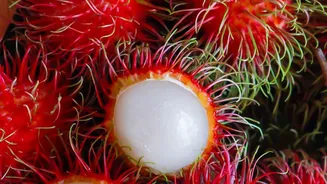
Don't be shy about giving the lychees a quick sniff. Fresh, ripe lychees emit a light, sweet, and distinctly floral aroma. This fragrance is a tell-tale sign of the delicious, juicy flesh waiting inside. If you detect any sour, acidic, or fermented smells—almost like vinegar—it's a clear indication that the fruit has spoiled and should be avoided. A lack of any scent at all might mean the fruit is not yet ripe and will lack the characteristic lychee flavour, which has been described as a mix of grape, pear, and rose.
Know Your Indian Varieties
India is the world's second-largest producer of lychees, with season typically running from May through June. While the general rules of selection apply, knowing a few popular varieties can enhance your shopping experience. The 'Shahi' lychee from Bihar, which has a GI tag, is known for its large size, crimson-red colour, and distinct rose-like scent. The 'China' variety is also popular, presenting as a medium-to-large globe-shaped fruit with a mix of red and orange hues. 'Bombai' lychees from West Bengal are often heart-shaped and very juicy. Being aware of these slight differences can help you appreciate the diversity of this beloved summer fruit.
Proper Storage for Lasting Freshness
Once you've brought home your perfect haul, proper storage is key to preserving their flavour and texture. If you plan to eat them within a day or two, they can be kept at room temperature. For longer storage, the refrigerator is your best option. Place the lychees in a plastic bag or a sealed container and they can last for up to a week, or even two in some cases. It's a good idea to place a paper towel in the bag or container to absorb any excess moisture. The skin might still turn brown in the cool, dry air of the fridge, but this is often just dehydration of the peel and doesn't always affect the quality of the fruit inside.