









A Trillion-Dollar Transformation
The numbers are staggering. According to recent analysis by McKinsey, the world is witnessing an unprecedented flood of private capital into digital infrastructure. One report estimates that nearly $7 trillion in investment may be needed by 2030 just
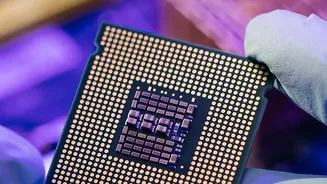
for data centers to keep pace with demand, a huge portion of which is driven by artificial intelligence. Another outlook suggests overall digital infrastructure will require an estimated $19 trillion in investment by 2040. This isn't just a trend; it's a fundamental re-weighting of global investment toward the hardware that powers our increasingly online lives. The money is flowing into three critical, interconnected areas: data centres (the vast, power-hungry buildings that store and process information), semiconductors (the advanced chips that act as the brains of modern electronics), and network infrastructure (the fibre optic cables and towers that transmit data).
The AI Engine Fueling the Boom
The single biggest driver behind this capital explosion is the relentless march of Artificial Intelligence. AI models, especially generative AI, are notoriously power-hungry and require immense computational resources for both training and operation. McKinsey projects that AI-related workloads could account for as much as 70% of data centre demand by 2030. This has created an insatiable appetite for specialised data centres equipped with advanced chips and cooling systems. As a result, investment in AI infrastructure is forecast to surge dramatically, potentially rising more than fivefold to around $769 billion in 2026 alone, up from $145 billion in 2025. This boom extends beyond just the data halls to the very source: the semiconductor industry, which faces the challenge of producing the increasingly complex and powerful chips that AI demands.
India's Digital Infrastructure Moment
This global trend aligns perfectly with India's national ambitions. The country's data centre capacity is already on a path of explosive growth, projected to more than triple from 1.6 GW in mid-2026 to 6 GW by 2029, making it Asia's fastest-growing digital market. Cities like Mumbai and Chennai are emerging as major hyperscale hubs, attracting billions in investments from global tech giants. This growth is supported by government policies promoting data localisation. Simultaneously, the government's India Semiconductor Mission (ISM) is aggressively courting investment to build a domestic chip ecosystem, reducing reliance on imports. With an initial outlay of ₹76,000 crore, the program and its successor, Semicon 2.0, aim to establish a complete value chain from design to fabrication and packaging. These parallel pushes in data centres and semiconductors position India to capture a significant share of this global capital flow.
More Than Just Wires and Silicon
The implications of this investment extend far beyond the tech sector. The construction of massive data centre campuses and semiconductor fabs creates significant employment opportunities in construction, engineering, and high-skilled operations. A robust domestic digital infrastructure enhances India's data sovereignty, ensuring sensitive national and corporate data is stored and processed within the country's borders. For consumers and businesses, this translates into faster, more reliable digital services—from streaming and cloud gaming to the rollout of 5G-enabled applications and industrial IoT. Building this infrastructure locally is a critical step in cementing India's status as a global technology power, not just a consumer of digital services but a core part of its underlying architecture.
The Challenges Ahead
Despite the massive opportunities, the path forward is not without its hurdles. The enormous energy consumption of data centres poses a significant environmental and logistical challenge. AI data centres alone are projected to dramatically increase electricity demand, straining existing power grids. There is also intense global competition for both capital and talent. Successfully building a semiconductor ecosystem from the ground up requires a highly skilled workforce and resilient supply chains, areas where India is still developing its capabilities. Ensuring that this wave of investment translates into sustainable, long-term economic growth will require careful planning and a continued focus on developing talent and green energy solutions to power this digital transformation.