







Fintech loans offer instant cash at your fingertips, but this convenience comes with risks. Predatory online lending apps are on the rise, trapping borrowers in cycles of debt and harassment. Here’s how to spot the warning signs and protect yourself.
The Allure of Instant Credit
Digital lending has transformed access to credit in India, offering quick approvals and minimal paperwork where traditional banks might not. This ease of access, facilitated by the country's digital infrastructure, has made fintech loan apps incredibly popular for handling everything from emergency expenses to small consumer purchases. However, this rapid growth has also created a breeding ground for fraudulent operators who exploit the demand for instant cash, making it crucial for borrowers to distinguish between legitimate services and digital traps.
Red Flag 1: Excessive App Permissions
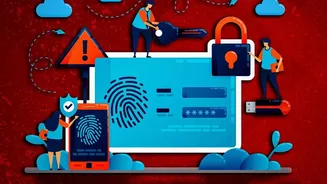
One of the most significant warning signs is an app that asks for invasive permissions. A legitimate lender needs to verify your identity and assess creditworthiness, but they do not need access to your entire contact list, photo gallery, or private messages. Predatory apps use this data for harassment and blackmail, contacting your friends, family, and colleagues with threats and fabricated claims if you miss a payment. The Reserve Bank of India (RBI) guidelines strictly prohibit apps from accessing mobile phone resources like contact lists and media files, so any app demanding such access is a major red flag.
Red Flag 2: Lack of Transparency on Fees and Lenders
A genuine lending app must be transparent about all costs and its affiliation. Before you agree to a loan, you must be provided with a ‘Key Fact Statement’ (KFS) that clearly outlines the annual percentage rate (APR), processing fees, and all other charges. If the terms are vague, or if an app asks for an upfront 'processing fee' or 'GST payment' before disbursing the loan, it is likely a scam. Furthermore, RBI regulations mandate that the app prominently display the name of the RBI-registered bank or Non-Banking Financial Company (NBFC) that is the actual lender. If this information is missing, treat the app as unsafe.
Red Flag 3: Unrealistic Promises and Coercive Tactics
Be wary of apps that promise guaranteed loans with no credit check or verification. These 'too-good-to be true' offers are designed to lure in vulnerable borrowers. Another common tactic is disbursing a small loan amount into your account without your final consent, then demanding repayment of a much larger sum. Predatory lenders often employ aggressive recovery tactics long before the due date, using threats and intimidation to create panic. Remember, legitimate lenders operate within a fair practices code, and harassment is not a legal recovery method.
How to Verify an App's Legitimacy
Before downloading any loan app, perform these checks. First, verify the lender's name. A genuine app will clearly state its partner bank or NBFC in its app store description and terms of service. You can then cross-'reference this name with the RBI's official list of registered entities. The RBI also maintains a public directory of approved Digital Lending Apps (DLAs) which can be used for verification. Always read reviews, paying close attention to complaints about hidden charges or harassment. Finally, download apps only from official sources like the Google Play Store or Apple App Store, and never from links sent via SMS or WhatsApp.
What to Do If You've Been Scammed
If you believe you are a victim of a fake loan app, act immediately. The first step is to call India's national cybercrime helpline at 1930 and file a complaint on the official portal, cybercrime.gov.in. Report the fraudulent app to the RBI through its Sachet portal. Inform your bank to block any unauthorized transactions and report the incident to the credit bureaus to prevent damage to your credit score from loans taken in your name. It is also crucial to revoke all permissions granted to the app in your phone's settings before uninstalling it.