




Identifying Leaf Scorch
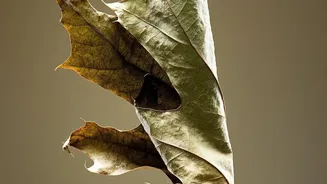
Leaf scorch, also known as sun scorch or leaf burn, is essentially a plant's version of a sunburn. It happens when a leaf is exposed to more intense light than it's used to, causing the tissue to die. The symptoms are unmistakable: you might see white,
yellow, or brown patches appear on the parts of the leaves most exposed to the sun. These spots may feel dry and crispy to the touch. In many cases, the damage starts at the tips and outer edges of the leaves before working its way inward. It's a distress signal that the plant's environment changed too abruptly.
Why Sudden Light Is the Culprit
Plants are adaptable, but they need time. The leaves of a plant living in lower light are optimized to capture every bit of available energy. When you suddenly move it into intense, direct sunlight, its delicate photosynthetic cells are overwhelmed by the harsh UV rays. This can cause the chlorophyll to break down, leading to discoloration. The issue is often less about the sun itself and more about the speed of the transition. Even sun-loving plants like succulents can get scorched if they're moved from a dim corner to a sun-drenched windowsill without a proper adjustment period. This rapid change can also cause the leaves to lose water faster than the roots can absorb it, leading to dehydration and burnt, crunchy tips.
The Art of Acclimation
Preventing leaf scorch is all about gradual change. Nurseries often grow plants under much brighter conditions than the average home, so almost any new plant can benefit from a slow introduction to its new spot. The same logic applies when moving a plant from indoors to an outdoor patio for the summer or even from one room to another. Start by placing the plant in its new, brighter location for just an hour or two on the first day. Over the course of one to two weeks, gradually increase the amount of time it spends in the direct light. This slow-and-steady approach gives the plant's leaves time to adjust their internal structure to handle the increased light intensity, preventing shock and damage.
Other Causes of Crispy Leaves
While a sudden light change is a common offender, it's not the only reason a plant's leaves might look scorched. Similar symptoms can arise from other stressors. Over-fertilizing can cause a buildup of salts in the soil that "burns" the roots and leaf tips. Underwatering or very low humidity can also cause leaves to dry out and turn brown, especially at the edges. In some cases, leaf scorch can even be caused by bacterial infections that clog the plant's water-transporting tissues. If you haven't recently moved your plant, it's worth investigating these other potential issues by checking your watering routine and fertilizer schedule.
Can Scorched Leaves Be Saved?
Unfortunately, once a section of a leaf is scorched, the damaged tissue will not turn green again. The cells in those brown, crispy spots are dead. However, this doesn't mean the whole plant is a lost cause. The primary goal is to correct the environmental issue that caused the scorch in the first place. Move the plant to a spot with less intense, indirect light. While it may be tempting to prune off the unsightly leaves immediately, it can be beneficial to leave them for a while. The remaining green parts of the leaf can still perform photosynthesis, and the damaged leaves can provide some shade for new growth underneath. Once new, healthy leaves have started to emerge, you can then trim away the most severely damaged ones to improve the plant's appearance.