


The Contenders: A Tale of Two Grains
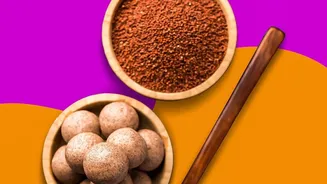
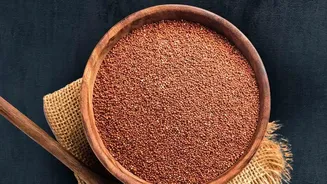
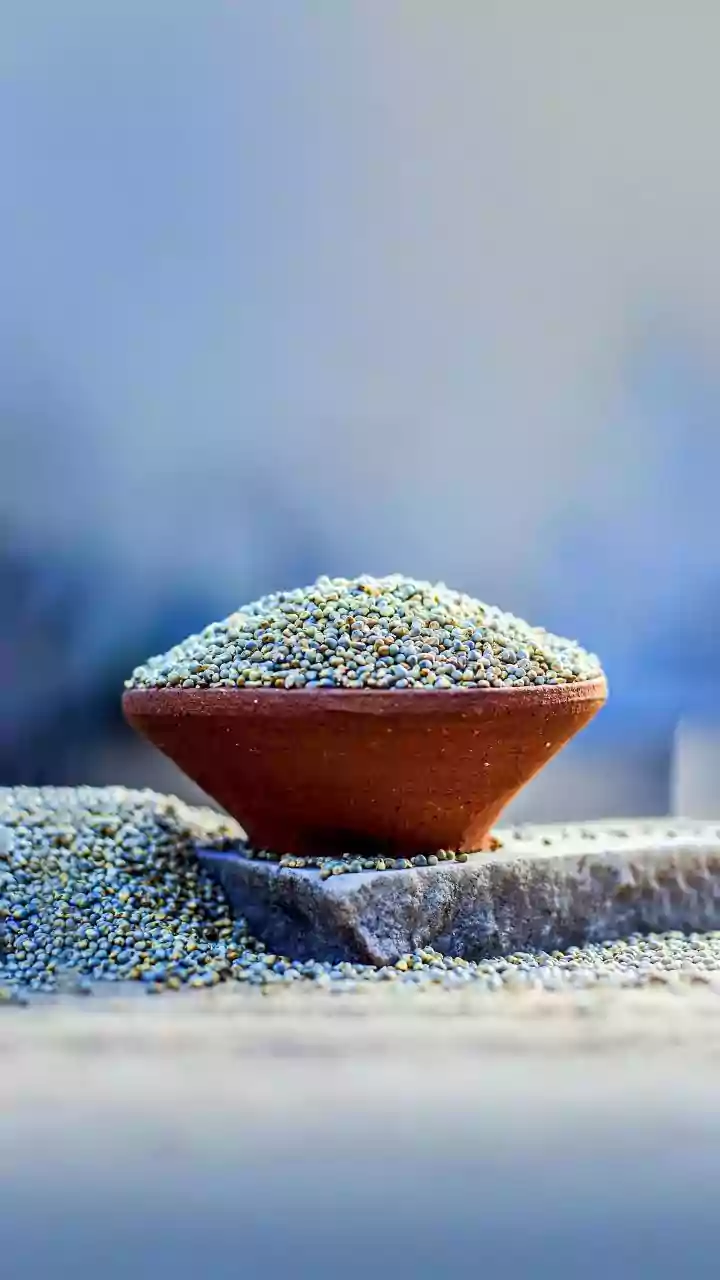
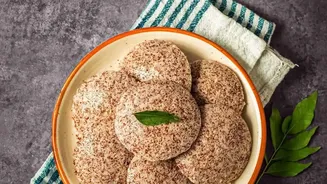
Ragi, also known as finger millet, is an ancient grain deeply rooted in Indian agriculture and cuisine, especially in the southern states. It’s a hardy crop, revered for generations and found in dishes like ragi mudde, dosas, and porridges. Quinoa (pronounced
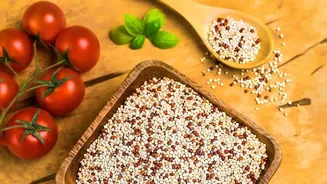
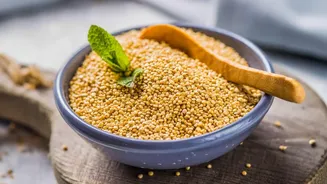
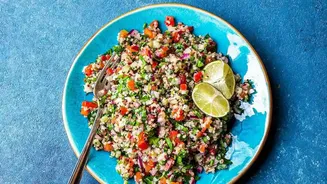
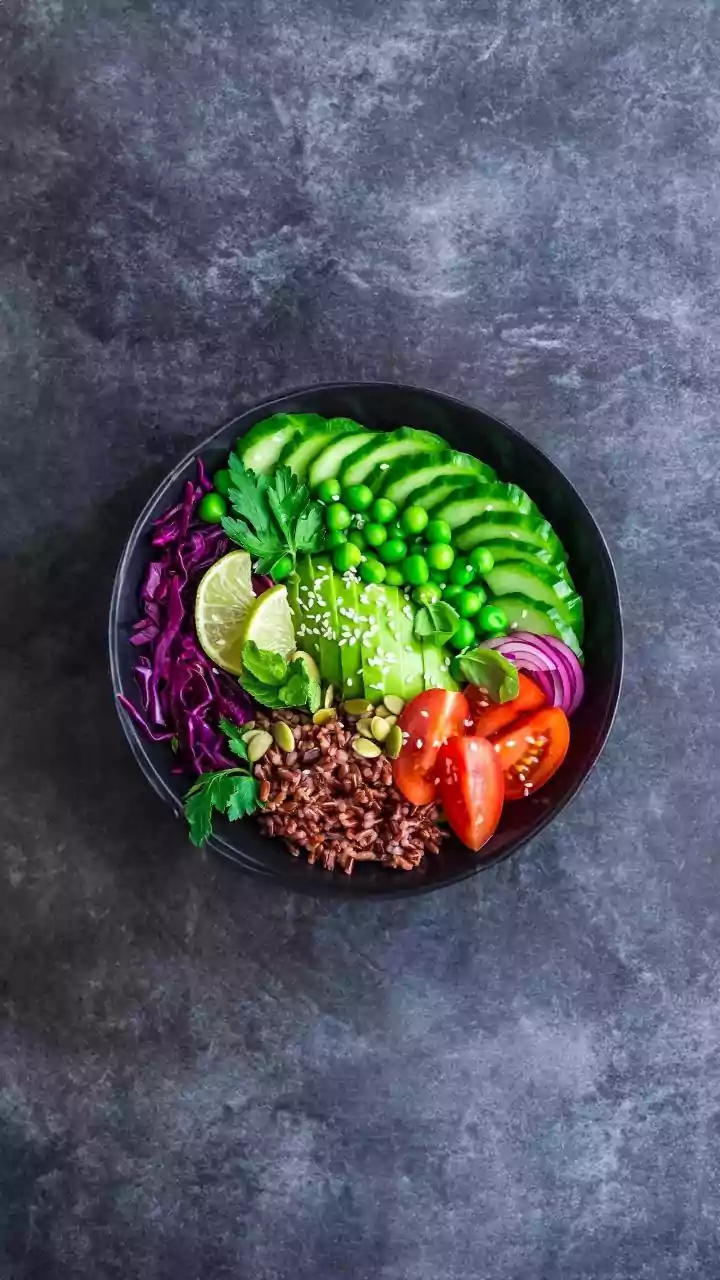
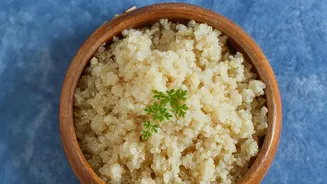
'keen-wah'), on the other hand, is a seed from South America that has gained global fame over the last couple of decades as a 'superfood'. Though often used like a grain, it’s technically a pseudo-cereal. Both are gluten-free and celebrated for their nutritional benefits, but they serve different purposes on your plate.
Protein Power: The Quinoa Advantage
When it comes to protein, quinoa takes a clear lead. A 100-gram serving of uncooked quinoa contains about 13-14 grams of protein, nearly double the 7-8 grams found in the same amount of ragi. More importantly, quinoa is a 'complete protein', meaning it provides all nine essential amino acids that our bodies cannot produce on their own. This is a rare quality for a plant-based food. Ragi, while still a good source of protein, is not complete. However, this is less of an issue in a typical Indian diet, where grains are often paired with dals or curd, a combination that creates a complete amino acid profile anyway.
Calcium King: Ragi Reigns Supreme
This is where the tables turn dramatically. Ragi is an undisputed champion of calcium. A 100-gram serving of ragi boasts an impressive 344-364 mg of calcium. To put that in perspective, it's about seven times more calcium than what is found in quinoa, which offers around 47 mg per 100 grams. For bone health, and for those who are lactose intolerant or consume limited dairy, ragi is one of the best plant-based calcium sources available. Its calcium content makes it an invaluable part of diets for growing children and older adults.
Fibre, Iron, and Other Nutrients
Beyond the headline nutrients, the comparison remains nuanced. Quinoa generally offers more dietary fibre, with some data showing 14.7g per 100g compared to ragi's 11.2g, which helps with satiety and digestive health. Quinoa also wins on iron, providing about 7.5 mg to ragi's 4.6 mg per 100g. Additionally, quinoa is significantly richer in folate, a crucial B-vitamin. Conversely, ragi has the upper hand on other minerals like magnesium, copper, and selenium. Both have a relatively low to medium glycemic index (GI), making them suitable choices for managing blood sugar levels, although figures can vary based on preparation.
The Practical Choice: Cost and Culinary Use
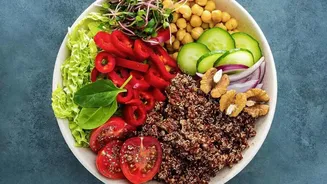
For the average Indian household, this is a major differentiator. Ragi is a locally grown crop, widely available, and significantly more affordable. It is a staple that costs a fraction of quinoa, which is often imported from South America and sold at a premium. Ragi flour seamlessly integrates into traditional Indian cooking, used for everything from rotis and bhakri to porridge and malted drinks. Quinoa is versatile too, working well as a substitute for rice in pulao, upma, and salads, but it remains a more expensive and less traditional choice for daily meals.