




Shinjuku Gyoen, Tokyo: A World of Gardens
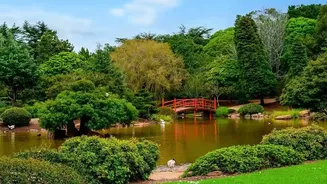
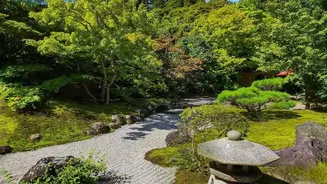
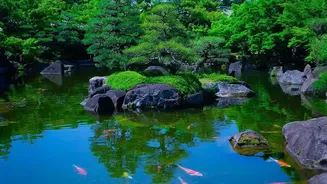
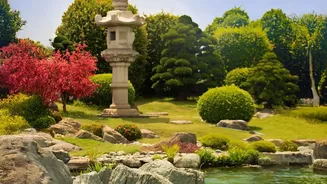
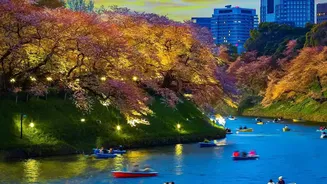
A short walk from the world's busiest train station, Shinjuku Gyoen is a masterpiece of landscape design and a paid-entry oasis that guarantees tranquility. Originally an imperial residence, it was opened to the public after World War II. The park uniquely
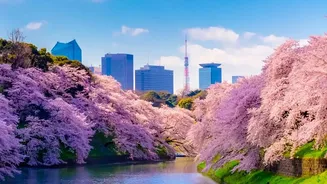
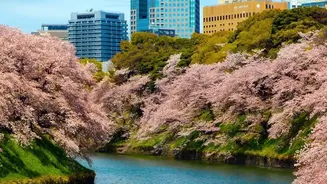
combines three distinct styles: a classic Japanese garden with tranquil ponds and teahouses, a formal French garden with symmetrical flowerbeds, and a sweeping English landscape garden with wide, open lawns. This variety makes it feel like several worlds in one, offering a sophisticated escape where the city's noise simply melts away. It's particularly stunning in spring with nearly 900 cherry trees and in autumn when the colors are vibrant.
Yoyogi Park, Tokyo: The City’s Vibrant Heartbeat
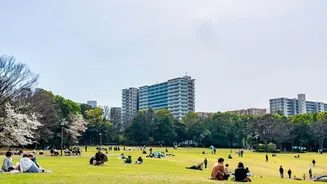
Adjacent to the serene Meiji Shrine, Yoyogi Park offers a different kind of energy—it's the city's communal backyard. This is where Tokyo comes to play, relax, and express itself. On any given weekend, you'll find joggers, families picnicking, musicians, dancers, and artists. While it has fewer cherry trees than other parks, its spacious lawns and ginkgo tree forest, which turns a brilliant gold in autumn, make it a year-round destination. Before becoming a public park in 1967, the area served as the Olympic Village for the 1964 Tokyo Olympics. It’s the perfect place to feel the lively, creative pulse of the city in a relaxed, green setting.
Nara Park, Nara: Where Deer Roam Free
Just a train ride from Kyoto or Osaka, Nara Park is an experience unlike any other. This vast, 660-hectare park is home to over a thousand wild deer that roam freely among ancient temples and visitors. Considered messengers of the gods in Shinto folklore, the deer are a designated National Natural Treasure. While feeding them special crackers is a popular activity, the true magic lies in walking through the ancient grounds, where these tame animals coexist with some of Japan's most significant cultural sites, including the great Buddha of Todai-ji Temple. It's a surreal and peaceful blend of nature, history, and spirituality.
Kenroku-en, Kanazawa: The Perfect Strolling Garden
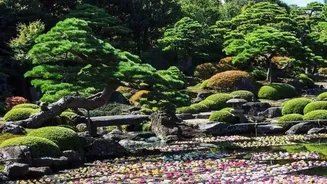
Considered one of Japan's three most beautiful landscape gardens, Kenroku-en in Kanazawa is the pinnacle of traditional garden design. The name means "Garden of the Six Sublimities," referring to the six essential attributes of a perfect garden: spaciousness, seclusion, artifice, antiquity, water features, and broad views. Developed by the powerful Maeda clan over centuries, this strolling garden was opened to the public in 1874. It features ponds, teahouses, and Japan's oldest fountain, all meticulously arranged to create a harmonious landscape that is stunning in every season, especially in winter when ropes called 'yukitsuri' protect the pines from heavy snow.
Ueno Park, Tokyo: A Hub of Culture and Nature
Ueno Park is one of Japan's oldest public parks and a major cultural center. It's not just a green space; it's home to a remarkable concentration of world-class museums, including the Tokyo National Museum, the National Museum of Nature and Science, and the National Museum for Western Art. Beyond the museums, the park includes Ueno Zoo, historic shrines like the Ueno Toshogu Shrine, and the beautiful Shinobazu Pond, which is covered in lotus blossoms in the summer. In spring, its central pathway becomes one of Tokyo's most popular spots for cherry blossom viewing parties, attracting crowds to celebrate under more than 1,000 blooming trees.