



From Suborbital Hops to Orbit
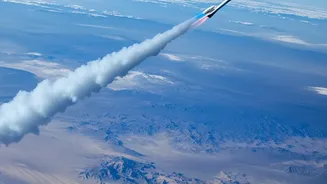
For years, SpaceX’s Starship tests have been defined by impressive but limited flights. Earlier prototypes performed high-altitude launches that briefly touched the edge of space before attempting landings, often with explosive results. These suborbital
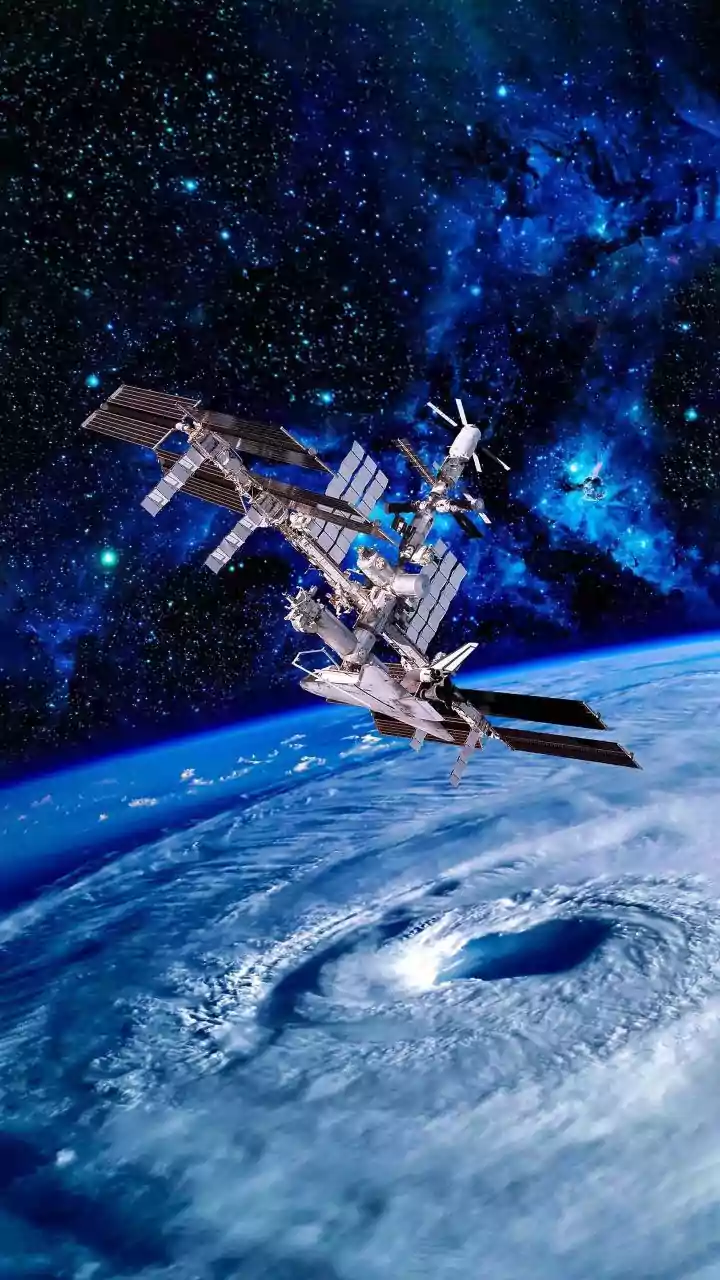
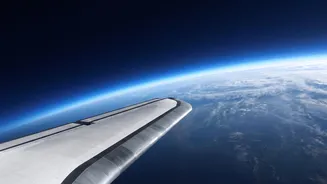
tests were crucial for refining engine performance and vehicle control but always ended with the rocket returning on a predetermined arc. The September 28 mission, designated Flight 14, fundamentally changed the game. For the first time, the Starship upper stage fired its engines a second time after separating from its Super Heavy booster, pushing itself into a stable orbit around Earth. This transition from a simple up-and-down trajectory to circling the globe at 17,500 mph is the single biggest step toward making Starship an operational, planet-crossing vehicle.
A Mission of Firsts, Despite a Hiccup
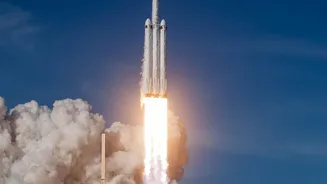
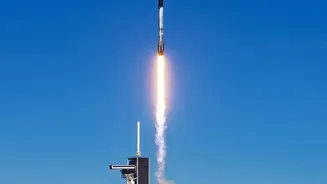
The flight from Starbase, Texas, was packed with milestones. After a successful liftoff and separation from the Super Heavy booster, which performed its own controlled splashdown in the Gulf of Mexico, the Starship upper stage continued its climb. During this ascent, one of its six Raptor engines shut down prematurely. For several tense minutes, mission control deliberated whether to scrub the attempt to reach orbit. Ultimately, they gave the 'go' command, and a single engine reignited to successfully complete the orbital insertion burn. Once in orbit, Starship achieved another major first: it deployed 26 operational Starlink V3 satellites, marking its debut as a revenue-generating launch platform. This was a critical demonstration, proving the vehicle can perform its primary business function of hauling cargo to space.
The Early Pacific Splashdown
The original flight plan was far more ambitious, calling for Starship to circle the globe six times over nearly 10 hours before splashing down near Chile. However, out of an abundance of caution following the engine failure during ascent, SpaceX opted to end the mission early. After just a couple of orbits lasting about three hours, flight controllers commanded Starship to perform a deorbit burn. The vehicle successfully re-entered the atmosphere, using its body and flaps to brake against the intense heat and pressure, before re-igniting its engines for a controlled, vertical splashdown in the Pacific Ocean, north of Hawaii. As is common with ocean landings, the massive vehicle tipped over and exploded upon hitting the water, a dramatic but expected end to the flight.
Why This 'Incomplete' Flight Is a Huge Win
While the mission didn't complete its full 10-hour duration, it is being hailed as a transformative success for SpaceX. The core objectives were met: the world's most powerful rocket proved it could reach orbit and deliver a payload. Every part of the flight, from the successful booster separation to the orbital insertion, the satellite deployment, and the controlled atmospheric re-entry, provided invaluable data that previous suborbital flights could not. This iterative approach—testing, failing, learning, and flying again quickly—is central to SpaceX's strategy. By pushing the vehicle to its limits and gathering data even from anomalies, the company accelerates development far faster than traditional aerospace programs. This flight confirmed the fundamental viability of the Starship system, moving it from a developmental prototype to a vehicle on the cusp of routine operations. For NASA, which plans to use a version of Starship to land astronauts on the Moon for the Artemis program, this flight was a critical and inspiring step forward.