



The Foundation of Pilates: Control and Stability
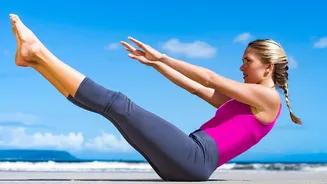
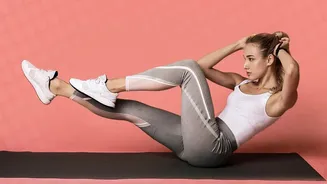
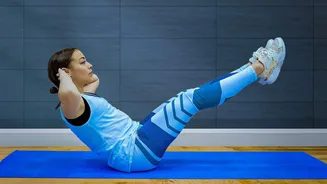
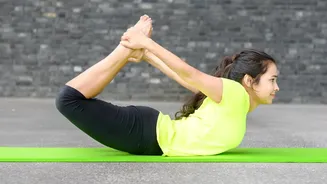
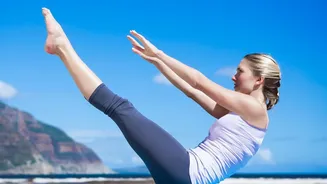
Pilates is a low-impact exercise method built on six key principles: concentration, control, centering, flow, precision, and breath. At its heart, it's about strengthening the deep core muscles—the 'powerhouse' that includes the abdominals, lower back,
hips, and pelvic floor—to create a stable foundation for all movement. Unlike traditional strength training that often focuses on larger muscle groups, Pilates hones in on the smaller, stabilizing muscles that support your spine and joints. The movements are slow, deliberate, and controlled, which helps improve body awareness, or proprioception, allowing you to move more efficiently and reduce the risk of future injury.
Pilates as a Tool for Injury Rehabilitation
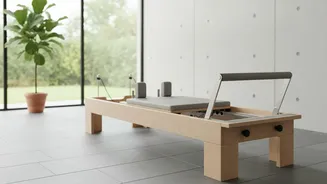
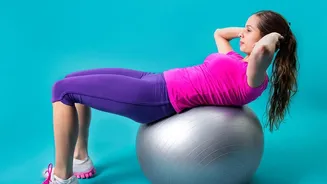
This emphasis on control and stability makes Pilates an exceptional tool for injury recovery. For individuals with chronic low back pain, joint issues, or those recovering from surgery, high-impact exercise is often out of the question. Pilates offers a gentle yet effective way to rebuild strength without placing undue stress on healing tissues. By focusing on proper alignment and strengthening the muscles that support the spine and joints, it can significantly alleviate pain and correct postural imbalances that may have contributed to the initial injury. Research supports its use in enhancing functional recovery, improving mobility, and providing a safe pathway back to physical activity.
The Challenge of Circuit Training: Intensity and Endurance
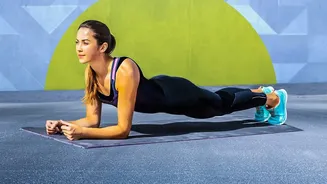
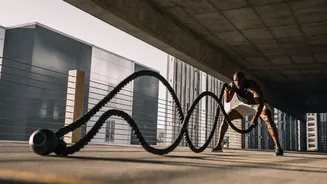
Circuit training sits on the opposite end of the intensity spectrum. This workout style involves performing a series of different exercises in succession with minimal to no rest in between. A circuit typically combines strength and cardiovascular exercises, targeting multiple muscle groups for a full-body workout. The primary goal is to keep your heart rate elevated, which boosts your metabolism and cardiovascular fitness while building muscular endurance. The pace is fast, the exercises are dynamic, and the challenge is as much about stamina as it is about strength.
How Circuit Workouts Test Core Limits
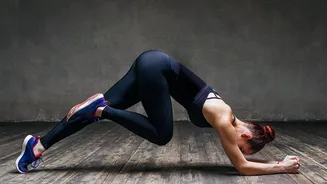
While Pilates builds core strength from the inside out with precision, circuit training challenges the core by putting it under constant pressure in a dynamic environment. Think of exercises like kettlebell swings, burpees, or even weighted squats performed in quick succession. These movements require your core to work overtime to stabilize your entire body, brace against heavy loads, and transfer force between your upper and lower body. This creates a powerful, reactive core that can handle explosive movements and resist fatigue, which is essential for many sports and high-intensity activities. The core isn't just the focus of a single exercise; it's the anchor for the entire circuit.
Stability vs. Power: The Direct Comparison
The fundamental difference lies in their approach to core training. Pilates meticulously builds the deep, stabilizing muscles responsible for posture and joint support through controlled, low-impact movements. It creates a solid, stable foundation. Circuit training takes a well-built foundation and stress-tests it with speed, load, and dynamic challenges. It builds a core that is powerful and resilient under duress. One method is about building control and awareness; the other is about applying that strength in a high-demand setting. Neither is inherently superior; they simply train different qualities of fitness.
Which Workout Is Right for You?
Choosing between Pilates and circuit training depends entirely on your current fitness level, goals, and health status. If you are recovering from an injury, experiencing chronic back or joint pain, or are new to exercise, Pilates is an excellent and safe place to start. It will help you build essential core strength, improve your posture, and develop body awareness. If, however, your fitness base is solid and your goals are to improve athletic performance, increase calorie burn, and challenge your muscular and cardiovascular endurance, circuit training is a highly effective option. For a well-rounded fitness regimen, many people find a combination of both is the ideal solution, using Pilates to maintain a stable core and prevent injury, and circuit training to push performance limits.