




Bold Geometric Prints
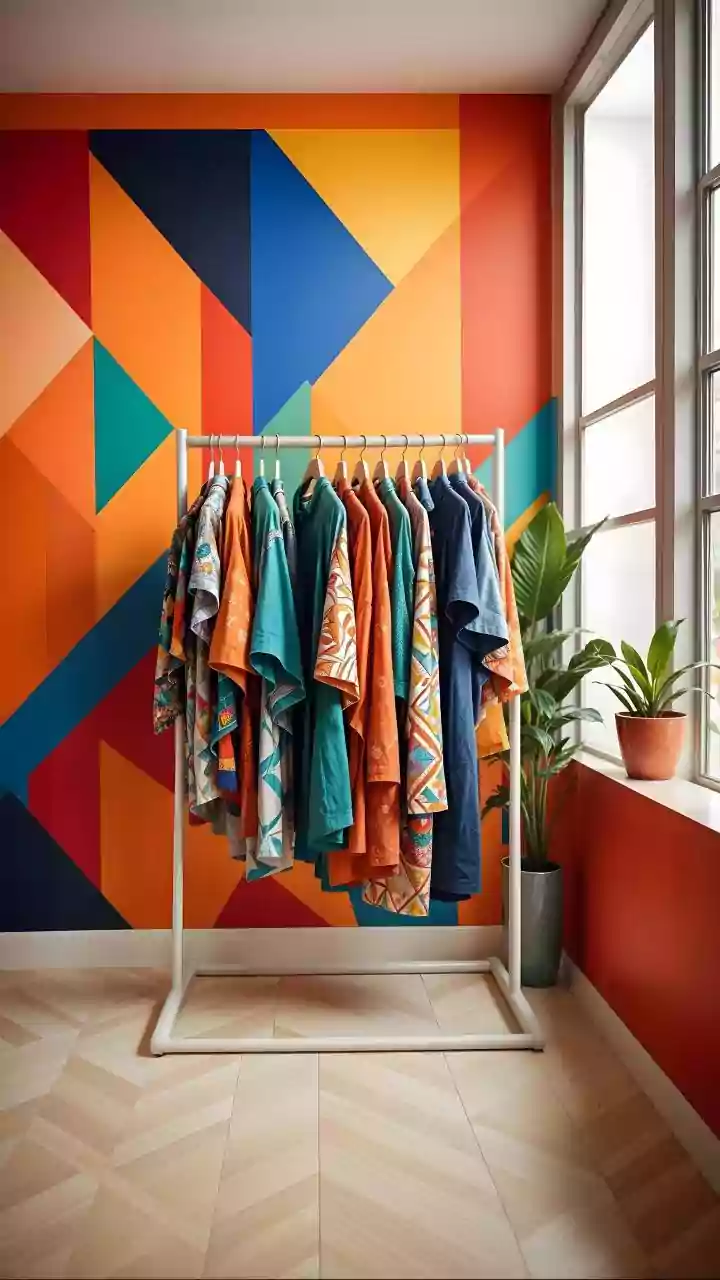
Geometric patterns are a hallmark of several vintage eras, offering a structured yet dynamic look. The Art Deco period of the 1920s and '30s, for example, is famous for its glamorous and bold geometric designs. Think symmetrical sunbursts, chevrons, and repeating
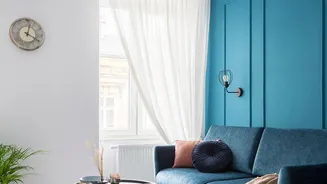
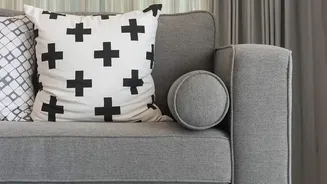
sharp lines, often in high-contrast colours like black and gold or paired with luxurious materials. This style is perfect for making a statement, whether on a feature wall, through mirrored surfaces, or in opulent lighting fixtures. A few decades later, the Mid-Century Modern movement offered a different take. Its patterns were often more organic and abstract, featuring shapes like boomerangs and minimalist botanical prints. These designs focused on clean lines and functionality, often using an earthy colour palette with pops of brighter hues on accent pieces. Incorporating these patterns can be as simple as adding a few throw pillows or a statement rug to bring a graphic punch to a room without overwhelming it.
Timeless Floral Patterns
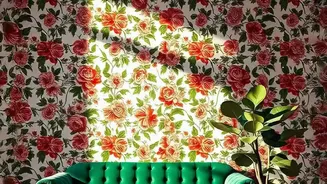
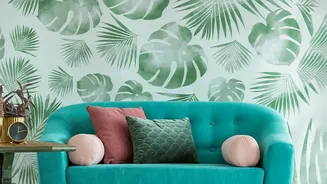
Florals have been a staple in home decor for centuries and offer a versatile way to introduce vintage charm. Smaller, dense floral prints like chintz evoke a cosy, cottage feel, perfect for creating a warm and inviting atmosphere in a bedroom or living area. These designs pair beautifully with distressed wood and handmade textiles for a rustic aesthetic. On the other hand, larger-scale floral patterns can feel surprisingly modern and dramatic. Think of a single accent wall covered in bold, oversized blooms, which can serve as a piece of art in itself. This approach works well when balanced with minimalist furniture and neutral tones, allowing the pattern to be the star. Whether through wallpaper, upholstery, or simple roman shades, floral prints bring a touch of nature and enduring elegance indoors.
Elegant Toile de Jouy
For a touch of classic French country elegance, look no further than Toile de Jouy. Originating in 18th-century France, 'toile' translates to 'cloth' and features detailed, monochromatic scenes on a light background. These patterns typically depict romantic pastoral landscapes, historical events, or mythological subjects. While traditionally printed in blue, red, or black on a cream or white base, modern interpretations have expanded the colour palette. Toile's storytelling ability gives it a unique charm that feels both sophisticated and timeless. It works beautifully on wallpaper, transforming a powder room or dining area into a refined space. It's also a popular choice for bedding and curtains. To keep the look fresh and not overly traditional, you can mix toile with modern furniture or balance its intricate design with solid, neutral colours.
Iconic Paisley
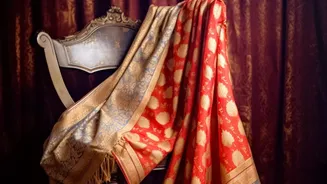
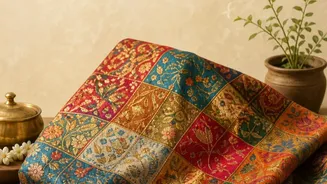
The paisley pattern, with its distinctive teardrop-shaped 'buta' or 'boteh' motif, has a rich history that spans continents. Though it takes its English name from a town in Scotland, the design originated in Persia and became incredibly popular in India, particularly on luxurious Kashmiri shawls. These shawls were imported to Europe in the 18th and 19th centuries and became a symbol of high fashion and status. The pattern had a major revival during the 1960s, where it became synonymous with bohemian and psychedelic style. Today, paisley can be used to add a touch of worldly sophistication or a free-spirited vibe to a room. It can be intricate and multicoloured for a bold statement or used in a more subdued, tonal palette for a quieter effect. It works well on everything from duvet covers and curtains to throw blankets and accent chairs.
How to Mix and Match
The key to using vintage patterns is balance. Don't be afraid to mix different styles, but do so thoughtfully. A good rule of thumb is to combine a large-scale pattern with a smaller one to avoid visual chaos. For instance, you could pair a sofa with a bold floral print with smaller geometric-patterned cushions. Sticking to a cohesive colour palette is another effective strategy. If your patterns share a common background colour or a few accent hues, they will feel connected even if the designs themselves are very different. You can also successfully contrast patterns, such as pairing a classic floral with a modern abstract piece of art. Ultimately, incorporating vintage patterns is about adding personality and a sense of history to your space. Start small with a few accents and see how these timeless designs can bring your home to life.