



An Astronomical Data Problem
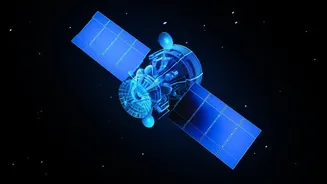
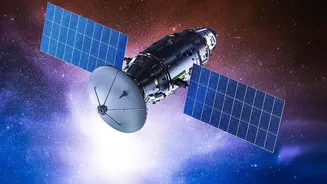
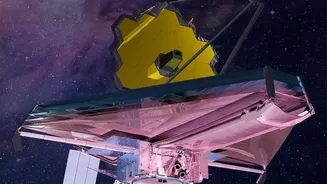
Astronomers face a peculiar challenge: there's too much sky and not enough time. Modern telescopes, like NASA's Transiting Exoplanet Survey Satellite (TESS), generate an overwhelming flood of data every single day. Models of stellar evolution predict
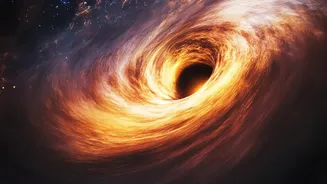
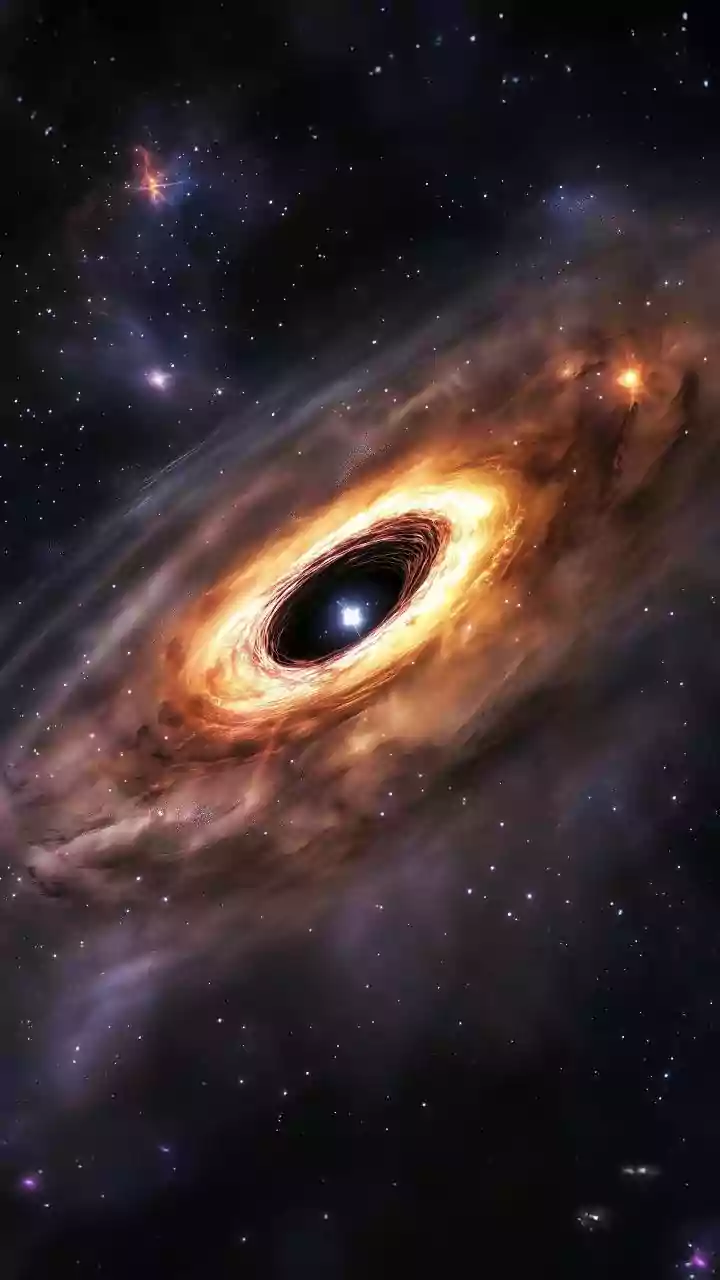
our galaxy should host hundreds of millions of black holes, yet scientists have only managed to identify a small fraction of them—around 70 or so. The reason for this gap is simple: most black holes are dormant. They aren't actively 'feeding' on nearby matter, a process that would cause them to emit bright X-rays that telescopes can easily spot. These quiet giants are effectively invisible. This data deluge, combined with the subtle nature of the clues they seek, creates a bottleneck that even the most advanced computer algorithms struggle with. This is where a new wave of scientific discovery begins: with citizen science.
Harnessing the Power of the Crowd
Enter the Black Hole Hunters, a citizen science project hosted on the Zooniverse platform. Led by researchers from institutions like the University of Southampton, the project invites anyone with an internet connection to join the search. No advanced degree in astrophysics is required. Volunteers are trained to do something that human brains are still remarkably good at: pattern recognition. They are shown graphs, known as light curves, which plot the brightness of a star over time. Their task is to spot a very specific and tell-tale pattern. It’s a job that project co-lead Adam McMaster notes is simple to learn but crucial for the research, allowing volunteers to narrow down which stars deserve a closer look with more powerful telescopes.
The Hunt for a Cosmic Magnifying Glass
So what are these volunteers looking for? The project targets black holes that are part of a binary system, orbiting a star. While the black hole itself is dark, its immense gravity can have a visible effect on the light from its companion star. If the black hole passes directly between its star and Earth, its gravity acts like a cosmic magnifying glass, bending and briefly amplifying the star's light. This phenomenon is called 'gravitational microlensing'. For the volunteers, this appears as a distinct, symmetrical brightening on the star's light curve. While algorithms can be tricked by other stellar events like flares or natural pulsations, the human eye is adept at spotting the clean signature of a potential lensing event. The project initially used data from the ground-based SuperWASP survey but has since shifted to the higher-quality data from the space-based TESS telescope.
A Global Team Making a Real Impact
Since its launch in October 2021, the Black Hole Hunters project has attracted nearly 23,000 volunteers who have collectively performed almost 12 million classifications. This massive collaborative effort has made significant progress, completing around 43% of its current dataset as of late 2026. The work done by these citizen scientists is not just a training exercise; it's a vital first step in the discovery pipeline. By flagging promising candidates, volunteers help professional astronomers use precious and expensive telescope time more effectively. The data from these volunteers is also being used to train the next generation of machine learning models, creating a powerful synergy where humans teach AI how to hunt for black holes more effectively in the future. This approach makes scientific research more efficient and allows for the analysis of datasets that would otherwise be unmanageable.
The Future of Discovery is Collaborative
The success of Black Hole Hunters is a powerful demonstration of the value of citizen science in modern astronomy. Projects like this, and others hosted by NASA and Zooniverse, are democratizing research by allowing the public to participate directly in the scientific process. It shows that you don't need to be a professional scientist to contribute to humanity's understanding of the cosmos. As one student participant, Grace Clarke, noted, 'I can search for black holes on my laptop from my bedroom — and could make a real impact on real space science'. This collaborative model is not just a novelty; it is becoming an essential tool. It bridges the gap between massive data collection and groundbreaking discovery, proving that some of the universe's greatest secrets can be unlocked by the collective power of curious minds.