






A New Bloom in the High Desert
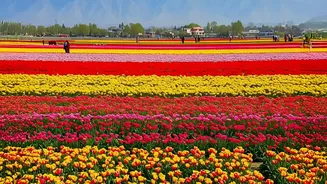
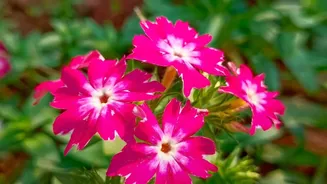
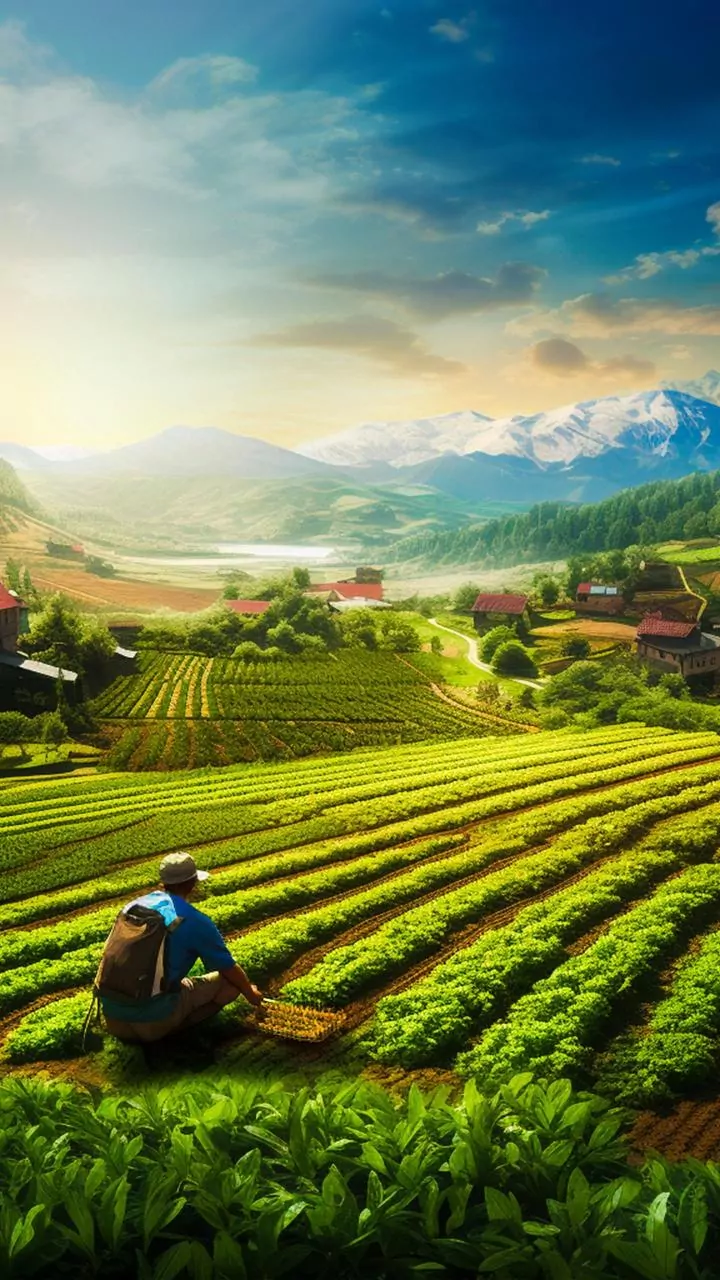
In a region famed for its stark, breathtaking landscapes, two new attractions are offering a vibrant contrast. Twin flower fields, located at Choglamsar and Stakna near Leh, have opened to the public, transforming 40 acres of land at an altitude of 10,600
feet. Inaugurated in September 2026 by Ladakh's Lieutenant Governor Vinai Kumar Saxena, these gardens are home to over 2.5 million flowers, primarily lilium and gladiolus varieties. This initiative is being hailed as the world's highest-altitude project of its kind and is a significant step in diversifying Ladakh’s agricultural and tourism sectors. The garden at Choglamsar was developed in a remarkable two-month timeframe, with blooms appearing in early September, while the Stakna field is expected to be in full bloom by the end of October.
More Than Just a Tourist Attraction
While the colourful fields are a new draw for tourists, with a small entry fee contributing to their maintenance, their primary purpose is far more ambitious. The project is a pioneering experiment in commercial floriculture, designed to create a new, sustainable source of income for Ladakh’s farming community. The Choglamsar park is set to function as a model floriculture centre for cultivating high-value flowers like lilium, gladiolus, and tulips for national and international markets. The administration's vision is to empower local farmers, Self-Help Groups (SHGs), and cooperatives by providing them with a lucrative alternative to traditional farming.
The Economics of High-Altitude Flowers
The choice of flowers is strategic. Premium lilium stems can command high prices in wholesale and retail markets across India, making this a high-value agricultural activity. The project has already demonstrated its commercial potential. In late September 2026, the first air consignment of 15,000 A-grade lilium stems was flagged off from Leh to major domestic markets like Delhi and Mumbai. This milestone marks Ladakh's entry into the national floriculture trade. The initiative is also creating direct local employment, with local women engaged in cutting and packaging the flowers at a daily wage of Rs 900. The entire operation, from cultivation to market access, is designed to be a self-sustaining economic model for the community.
A Model for Sustainable Development
This dual-purpose initiative is about more than just flowers and profits; it represents a new development philosophy for Ladakh. By leveraging the region's unique climate, which is often seen as a challenge, the administration is turning it into an asset for off-season cultivation. The gardens will also serve as training and demonstration centres, where local farmers and youth can learn scientific cultivation techniques and post-harvest management. This knowledge transfer is crucial for the long-term success and replication of the model. The first year will be managed by the Agriculture Department before being handed over to local cooperatives, ensuring a smooth transition and local ownership.