





The Myth of the Unsatisfying Veggie Meal
Many people believe that vegetarian or plant-based meals are inherently less filling than their meat-based counterparts. This often leads to frustration and constant snacking. However, the feeling of fullness, or satiety, isn't determined by the presence
of meat, but by the nutritional composition of your meal. A plate heavy on refined carbohydrates and light on key nutrients will digest quickly, leaving you hungry regardless of its source. The common mistake is simply removing meat without thoughtfully replacing it with foods that provide lasting energy and fullness. A well-constructed vegetarian meal can be more satiating than a meat-based one, provided it's built with the right components.
Protein: The Foundation of Fullness
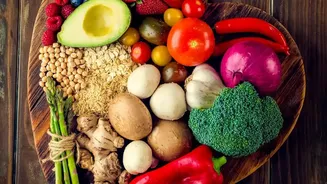
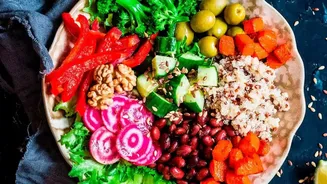
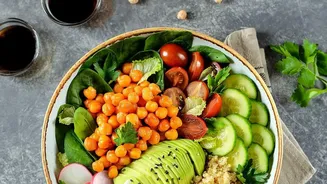
Protein is widely considered the most satiating macronutrient. It works by influencing the hormones that control your appetite, decreasing the 'hunger hormone' ghrelin while increasing hormones that signal fullness. Protein also takes longer for your body to digest, a process that burns more calories (known as the thermic effect of food) and contributes to a prolonged feeling of satisfaction. For a vegetarian meal to be truly filling, a dedicated protein source is essential. Excellent choices for Indian diets include lentils (dal), chickpeas (chana), kidney beans (rajma), and dairy products like paneer and Greek yogurt. Soy products like tofu and edamame are also fantastic options, offering complete proteins with all essential amino acids.
Fibre: The Unsung Hero of Satiety
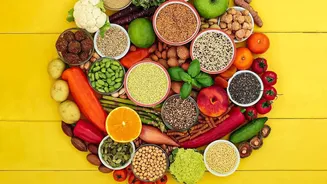
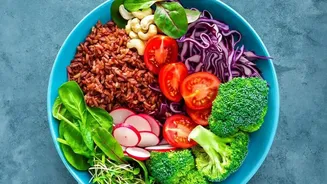
Dietary fibre is a plant-based carbohydrate that your body can't fully digest, and this is precisely what makes it so beneficial for staying full. There are two main types: soluble fibre, which dissolves in water to form a gel-like substance, and insoluble fibre, which adds bulk. Both slow down digestion, preventing rapid blood sugar spikes and subsequent crashes that can trigger hunger. High-fibre foods also physically fill up your stomach and require more chewing, both of which send signals of fullness to your brain. To boost your fibre intake, focus on whole foods. Legumes are fibre powerhouses. Incorporate whole grains like oats, barley, and quinoa, and fill your plate with a variety of vegetables and fruits, especially leafy greens, broccoli, and apples.
Beyond Protein and Fibre: Healthy Fats and Whole Foods
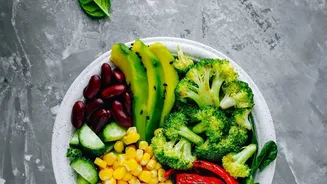
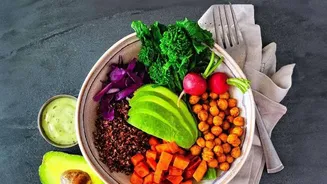
While protein and fibre are the main players, healthy fats also play a crucial role in satiety. Foods rich in healthy fats, such as avocados, nuts, and seeds, digest slowly, contributing to a longer-lasting feeling of fullness. Adding a handful of almonds, a sprinkle of chia seeds, or a dollop of nut butter can significantly enhance a meal's staying power. The overall theme is to prioritise whole, unprocessed foods. A diet relying on processed vegetarian snacks and refined carbohydrates is a common cause of persistent hunger. Instead of a plain salad or a simple pasta with vegetables, think in terms of balanced plates. A satisfying meal combines a strong protein source, high-fibre carbohydrates, and a healthy fat.
Putting It All Together: Building a Filling Plate
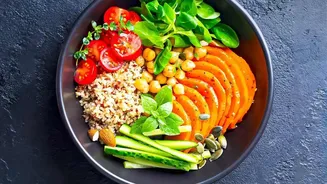
Making your vegetarian meals more satisfying doesn't have to be complicated. It's about making simple, intentional swaps. Instead of just a vegetable stir-fry with white rice, add a block of cubed tofu or a generous helping of chickpeas, and switch to brown rice or quinoa. Transform a basic salad into a substantial meal by adding a cup of lentils, roasted pumpkin seeds, and a creamy avocado dressing. Start your day with oatmeal, but power it up with chia seeds, a spoonful of almond butter, and berries. A meal built with this combination of protein, fibre, and healthy fats will provide sustained energy and keep hunger at bay for hours, proving that vegetarian eating can be deeply satisfying.