






The Scale of the Problem
It might seem like a small act, but tossing out that one item contributes to a massive problem. In India, households waste an average of 55 kg of food per person every year. This adds up to a staggering 78 million tonnes of food wasted annually nationwide,
making India the world's second-largest food-wasting country. A significant driver of this waste is confusion over date labels. Many people discard perfectly good food because they misinterpret what 'Best Before' and 'Use By' really mean, leading to unnecessary financial loss and environmental strain.
Decoding 'Best Before' vs. 'Use By'
The Food Safety and Standards Authority of India (FSSAI) sets the rules for date marking on packaged foods. The two most important terms to understand are 'Best Before' and 'Use By' (or 'Expiry Date'). A 'Best Before' date is about quality, not safety. It indicates the period during which the food will retain its optimal flavour, texture, and nutritional value. After this date, the food may lose some of its crispness or taste, but it is often still perfectly safe to eat if stored properly and the package is intact. In contrast, the 'Use By' or 'Expiry Date' is a safety deadline. It is used for highly perishable products like fresh meat, milk, and some ready-to-eat meals. Consuming food after its 'Use By' date can be harmful to your health, even if it looks and smells fine.
What About 'Sell By' Dates?
You might also occasionally see a 'Sell By' date on products. This date is not for consumers; it is an instruction for the retailer. It helps shops manage their stock and ensure that products are sold while they still have a reasonable shelf life for the customer. As a consumer, you can safely ignore the 'Sell By' date. The 'Best Before' or 'Use By' date is the one that provides the relevant information for you at home.
Trust Your Senses: The Ultimate Food Safety Check
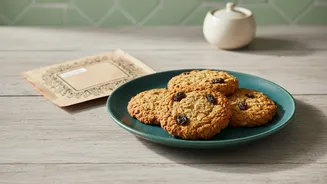
For any food past its 'Best Before' date, your senses are your most reliable guide. Before you decide to throw something away, perform a simple check. First, look at the product. Are there any visible signs of spoilage, like mould, a change in colour, or a slimy texture? Second, smell it. An off or sour odour is a clear sign that the food has gone bad. If it passes the look and smell test, you can taste a tiny amount. If the taste is off, it is best to discard it. This sensory check applies to many common items like bread, biscuits, canned goods, and yoghurt, but remember to be extra cautious with high-risk items. For anything past its 'Use By' date, the rule is simple: when in doubt, throw it out.
Smart Habits to Reduce Waste
Beyond reading labels, a few smart habits can drastically cut down on food waste in your kitchen. Start by planning your meals and making a shopping list to avoid impulse buys that lead to excess. When you stock your pantry and fridge, use the 'First In, First Out' (FIFO) principle: move older items to the front so you use them first. Proper storage is also crucial. Storing fruits and vegetables correctly, keeping your refrigerator at the right temperature, and using airtight containers can extend the life of your food. Donating excess non-perishable food to local food banks is another excellent way to prevent waste and help those in need.