

The Great Dal Soaking Debate
For generations, soaking dals before cooking has been standard practice in Indian kitchens. The reasons are both practical and scientific. Soaking harder dals like chana dal (split chickpeas) and rajma (kidney beans) is non-negotiable; it softens their
tough exteriors, drastically cutting down cooking time. Beyond convenience, soaking helps make lentils easier to digest. It reduces compounds like phytic acid and oligosaccharides, which can interfere with nutrient absorption and cause bloating or gas. By breaking down these complex elements, soaking not only improves digestion but also allows for better absorption of essential minerals like iron and zinc. This simple step can lead to a dish that is both more nutritious and gentler on the stomach.
Masoor Dal: The Quick-Cook Exception
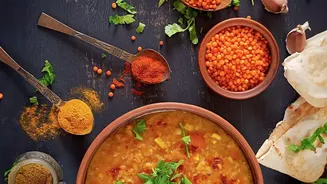
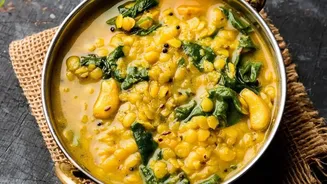
Enter masoor dal, the hero of weeknight dinners. Available as whole brown lentils (sabut masoor) or the more common split red lentils, masoor dal is prized for its ability to cook quickly. Unlike their larger, tougher cousins, split red lentils are small and have no outer husk, which allows them to soften and break down with remarkable speed. Most recipes confirm that you can take masoor dal from pantry to pot without any pre-soaking, making it an ideal choice for a spontaneous, comforting meal. Many cooks can get a delicious masoor dal ready in 20 to 30 minutes, a fraction of the time required for other legumes.
So, To Soak or Not to Soak?
For split masoor dal (red lentils), the consensus is clear: soaking is not necessary. A thorough rinse under running water to remove dust and impurities is all the prep it needs. However, for whole masoor dal (brown lentils), a short soak can be beneficial, though still optional. Some cooks suggest a brief 30-40 minute soak for whole masoor to help it cook a little faster and more evenly. If you're short on time, you can absolutely proceed without soaking, though you may need to add a few extra minutes to the cooking time. The decision often comes down to personal preference and how much time you have.
How Preparation Shapes the Final Dish
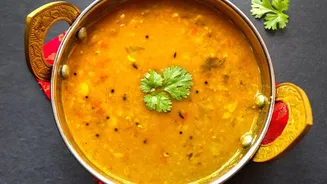
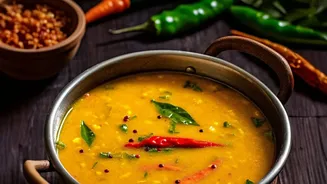
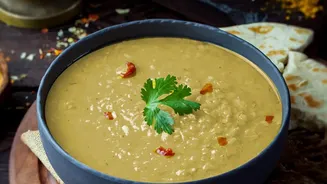
The choice to soak—or not—directly influences the texture of your final dal. When cooked without soaking, split masoor dal breaks down completely, creating a creamy, thick, and soupy consistency that is perfect for dal tadka or a simple dal-rice meal. It melds beautifully with the spices, creating a homogenous and comforting dish. If you choose to do a very short soak (around 15-30 minutes), the lentils may retain a bit more of their individual shape, leading to a slightly less creamy, more textured result. This might be desirable in dishes where you want the lentils to be more distinct. Ultimately, for the creamiest result, skipping the soak is the way to go.
A Quick Comparison to Other Dals
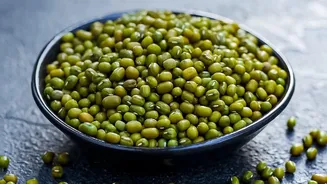
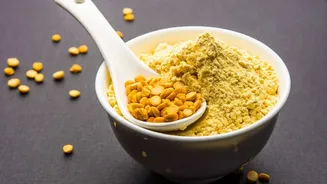
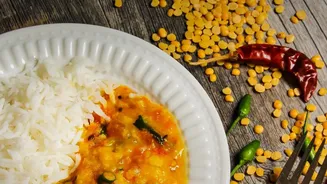
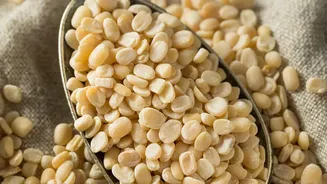
To put masoor dal's unique properties in perspective, consider other common dals. Chana dal, toor dal, and whole urad dal have dense structures that benefit greatly from several hours of soaking, which is essential to achieve a soft texture. Kidney beans (rajma) and chickpeas (chana) famously require an overnight soak to become tender enough for cooking. In contrast, split moong dal, like masoor dal, is also a quick-cooking lentil that is easy to digest and doesn't strictly require soaking, though some find a short soak improves its texture. This makes both masoor and moong dals excellent choices for fast, nutritious meals.