




First, What Are Atmospheric Rivers?
Atmospheric rivers are long, narrow corridors of concentrated water vapor that move through the atmosphere. Like conveyor belts, they pick up immense amounts of moisture from warmer tropical and subtropical oceans and transport it toward cooler regions.
When these plumes of moisture hit land, especially mountains, they are forced upward, cool, and release the water as heavy rain or snow. These systems are powerful, capable of carrying more water than the Earth's largest terrestrial rivers. While the term is relatively new, the phenomenon is not; they are responsible for significant weather events globally, from the 'Pineapple Express' storms that drench North America's west coast to extreme rainfall in Europe.
A Surprising Discovery Over Antarctica
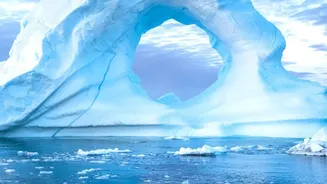
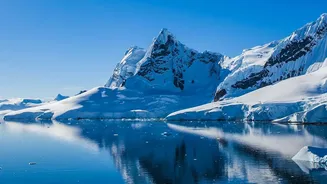
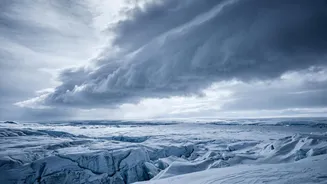
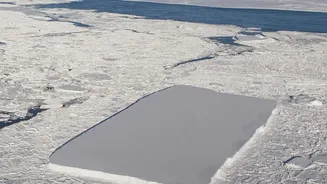
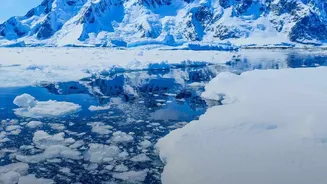
The latest research, published on September 6, 2026, has uncovered a remarkable event. Between 2021 and 2023, East Antarctica experienced an astonishing gain of 695 billion tons of ice, a finding that seems to contradict the continent's long-term trend of ice loss. Scientists traced this unusual gain to a persistent patch of warm water in the tropical ocean thousands of miles away. This warming altered atmospheric circulation, creating a pathway that funneled more atmospheric rivers toward the frozen continent. These rivers then dumped exceptionally heavy snowfall across a vast region of East Antarctica, temporarily adding substantial mass back to the ice sheet.
A Double-Edged Sword for Ice
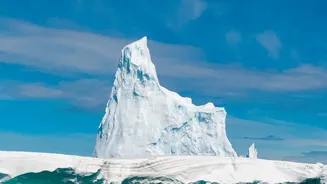
While a 695-billion-ton ice gain sounds like good news, the role of atmospheric rivers in Antarctica is dangerously complex. They are a true double-edged sword. On one hand, they are responsible for up to 70% of extreme snowfall events, which can help add mass to the ice sheet and temporarily mitigate sea-level rise. However, these same events also bring heat and moisture. When temperatures are warm enough, atmospheric rivers can cause significant surface melting and even rainfall on the ice. This meltwater can create ponds that fracture ice shelves, and the warm air can destabilize the very structures that hold back the continent's massive glaciers, such as the Thwaites 'Doomsday' Glacier. As the climate warms, projections show these atmospheric rivers will become more frequent and intense, increasing the risk of melt over snowfall.
The Global Ripple Effect
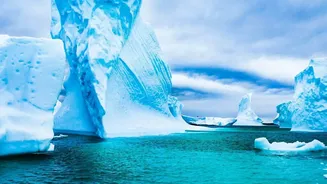
Antarctica may seem remote, but its stability is directly linked to coastal communities worldwide. The continent's ice sheets hold enough water to raise global sea levels by catastrophic amounts. Over the last two decades, Antarctica has been losing ice at an alarming rate. This melt, along with thermal expansion from warming oceans, is the primary driver of accelerating sea-level rise. The rate has more than doubled since the 20th century, and recent reports from September 2026 confirm that this trend is not only continuing but quickening. Even a small increase in the rate of melt in Antarctica has profound consequences, increasing the frequency and severity of coastal flooding around the globe.
Why It Matters for India
For India, with its extensive 7,500-kilometer coastline, the fate of Antarctica is a pressing national concern. Millions of people and critical infrastructure in low-lying coastal cities like Mumbai, Kolkata, and Chennai are highly vulnerable to the impacts of rising seas. A recent UN report highlighted that more than 14 million people in low-lying delta regions of South Asia are at risk of displacement from permanent inundation. Changes in the Southern Ocean, driven by Antarctic melt, could also disrupt pressure gradients that influence the Indian Summer Monsoon, potentially leading to more erratic rainfall and threatening the nation's food security. The seemingly distant weather events over Antarctica are, therefore, directly connected to the stability and prosperity of India's coastal regions.