







The High Cost of Convenience
Plant-based meats have carved out a niche, offering a familiar texture for those transitioning away from meat. But this convenience comes at a significant cost. In India, premium mock meats can be incredibly expensive, often priced as specialty or imported
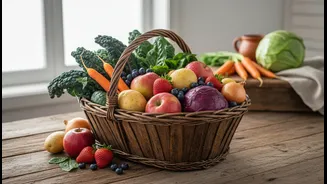
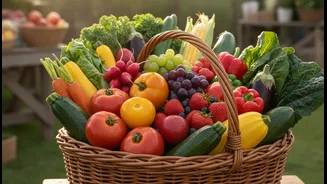
goods. A 250g pack of vegan kebabs or mince can set you back several hundred rupees, making it a luxury item rather than an everyday staple. In contrast, seasonal vegetables are famously budget-friendly. During the monsoon season, for instance, markets are abundant with lauki (bottle gourd), bhindi (okra), karela (bitter gourd), and corn. Their abundance makes them affordable, allowing you to create generous, satisfying meals for a fraction of the price of a single serving of a processed meat alternative.
Unlocking Flavour and Texture Naturally
The biggest challenge in vegetable cooking is often texture. However, the right techniques can transform simple produce into something deeply satisfying. Roasting, grilling, or searing vegetables at high heat caramelises their natural sugars and creates savoury, browned exteriors with tender insides. Think of eggplant (baingan), which becomes creamy and smoky when fire-roasted for bharta, or mushrooms, which develop a firm, meaty bite when seared in a hot pan. Unripe jackfruit (kathal) is a classic example, with a fibrous, shreddable texture that has been used in Indian cuisine for generations to mimic meat in dishes like biryani and curries. The secret to a satisfying, savoury depth of flavour, known as umami, is also readily found in the plant kingdom. Tomatoes, onions, garlic, and mushrooms are all naturally rich in umami. By cooking them down, you create a complex flavour base that processed foods struggle to replicate without a long list of additives.
The Advantage of Fresh and Seasonal
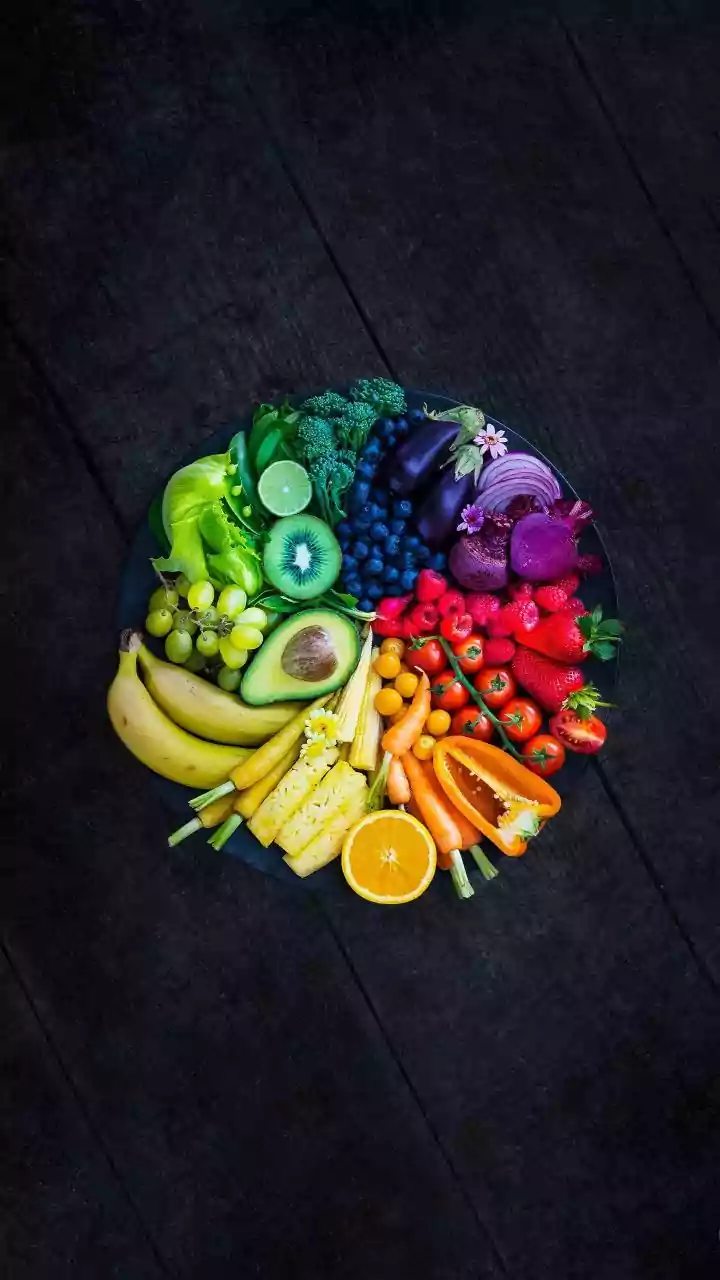
Eating with the seasons is a cornerstone of traditional Indian food wisdom for a reason. Seasonal produce is at its peak in terms of flavour and nutritional value. Vegetables that are picked and sold locally don't have to endure long-distance shipping or artificial ripening, which means they retain more of their vital nutrients, like Vitamin C. A monsoon-fresh bhindi will have a snap and taste that a cold-storage version simply cannot match. This freshness translates directly to your plate. Furthermore, seasonal eating ensures you get a wider variety of nutrients throughout the year, as the available produce changes. Instead of relying on a static, soy-or-pea-protein-based product, you are constantly introducing different vitamins, minerals, and fibres into your diet, which supports overall health.
Celebrating Vegetables for What They Are
Perhaps the most significant limitation of mock meats is that they are designed to be something they are not. They are mimics, judged on their ability to replicate the taste and texture of animal products. Cooking with seasonal vegetables, however, frees you from this comparison. It’s not about tricking your palate into thinking it’s eating mutton; it's about celebrating the unique qualities of the vegetable itself. A well-made mushroom galouti kebab isn't trying to be a lamb kebab; it’s celebrating the earthy, rich flavour of mushrooms. Stuffed karela, spicy arbi leaves, or a curry made with fresh bamboo shoots are culinary stars in their own right, offering complex flavours and textures that stand on their own merit. This approach opens up a world of culinary creativity that is far more expansive than simply swapping a meat patty for a plant-based one.