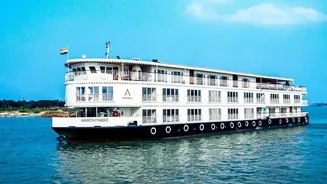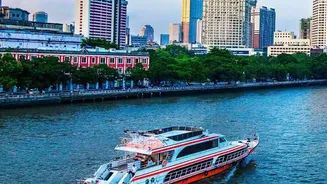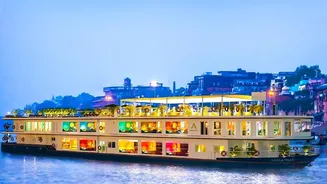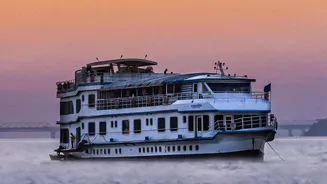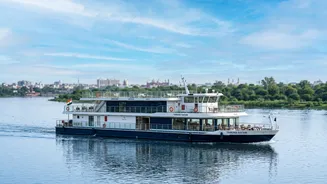






Delhi's much-anticipated Yamuna River cruise is now a reality, with trial runs underway. The 'Namo Yamuna River Safari' promises a new recreational experience for the capital. But for any water-based activity, the first question is always about safety.
Modern and Regulated Vessels
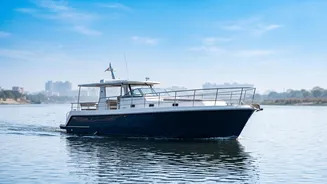
The foundation of safety begins with the boats themselves. The project specifies the use of modern, eco-friendly vessels. These are electric-solar hybrid boats, ensuring a quieter and more sustainable journey. A key regulation is that the boats, whether leased or owned by the operator, must not be more than two years old, ensuring they are in prime condition. Each air-conditioned boat is designed to carry a maximum of 30 passengers per trip, preventing overcrowding and ensuring a comfortable experience. These vessels are part of a broader vision to revitalise the Yamuna, transforming it into a hub for tourism and leisure while adhering to strict environmental standards.
Essential Onboard Safety Equipment
Every passenger's immediate safety is addressed with mandatory onboard equipment. Officials have confirmed that all cruise boats are equipped with essential safety jackets for all passengers. In addition to life jackets, the vessels also feature a public announcement system. This allows the crew to communicate clearly with all passengers in case of an emergency or to provide important instructions during the 40-minute journey. Furthermore, the boats are fitted with inboard bio-toilets with a zero-discharge policy, reflecting a commitment to keeping the river clean while providing necessary amenities.
A Multi-Agency Oversight Framework
The Yamuna cruise project is not a standalone venture; it's a collaborative effort involving multiple government bodies, which adds layers of safety and regulatory oversight. A Memorandum of Understanding (MoU) was signed in March 2025 between the Inland Waterways Authority of India (IWAI) and various Delhi government agencies. The IWAI is spearheading infrastructure development like floating jetties and navigational aids while ensuring passenger safety. Other agencies like the Delhi Development Authority (DDA), Delhi Jal Board (DJB), and the Irrigation and Flood Control Department (I&FCD) have specific roles. For instance, the DJB monitors water quality, while the I&FCD is responsible for ensuring adherence to safety protocols.
The Operator's Responsibility
The day_to_day safety of the cruise rests with the designated operator. According to the project's framework, the operator is explicitly responsible for ensuring a safe, reliable, and comfortable cruise service. This responsibility extends not only to the passengers but also to the crew members and any other users of the river. The Delhi Tourism and Transportation Development Corporation (DTTDC) is tasked with overseeing the boat operations and engaging the operators, ensuring they comply with all inland vessel regulations. This clear delegation of responsibility is crucial for maintaining consistent safety standards across all trips, with a minimum of four trips required per day.
Passenger Awareness and Protocols
While authorities and operators have put numerous measures in place, passenger awareness also plays a role in ensuring a smooth and safe experience. During the trial runs, which began on October 26, 2026, officials have been reviewing all operational arrangements and passenger facilities. The Chief Minister's office has directed officials to pay special attention to passenger safety and convenience. Passengers are encouraged to familiarise themselves with the location of safety jackets and listen to any announcements made by the crew. Following the established protocols, such as remaining seated during the journey unless specified otherwise, contributes to the overall safety of everyone on board.