





How Hydrogen Power Works
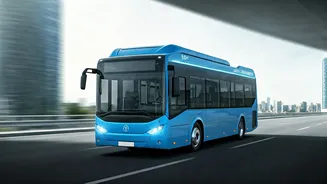
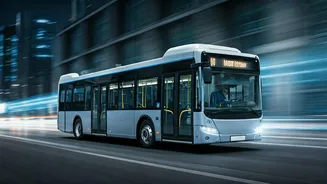
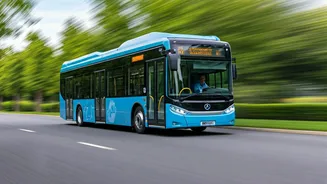
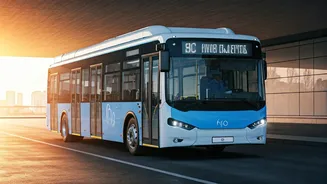
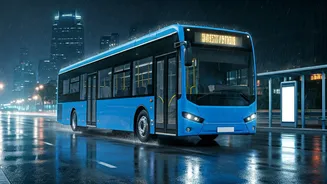
Imagine a bus that runs on the most abundant element in the universe and emits only water. That's the promise of a hydrogen fuel cell bus. Unlike battery-electric buses that store electricity, these vehicles generate their own power on board. Inside the fuel cell,
hydrogen gas from rooftop tanks reacts with oxygen from the air in a chemical process. This reaction creates electricity to power the motor and move the bus, with heat and water vapour as the only by-products. This means zero tailpipe emissions, which is a game-changer for urban air quality.
The Delhi Trial Details
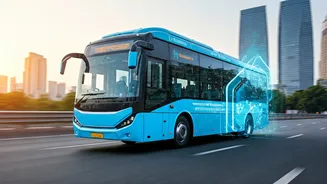
This initiative is a collaboration between the Delhi Transport Corporation (DTC) and the state-owned National Thermal Power Corporation (NTPC). Under the plan, NTPC will provide two hydrogen buses as part of its Corporate Social Responsibility (CSR) initiative, with the DTC managing their operations. While the exact routes are being finalised, the trial aims to test the buses' performance, efficiency, and durability in Delhi's demanding traffic and weather conditions. The project is a key part of Delhi's newly updated EV Policy, which now includes provisions for hydrogen vehicles to tackle the city's severe air pollution.
A Symbol of a Bigger Shift
These two buses represent more than just a small-scale experiment; they are a significant step in India's National Green Hydrogen Mission. With vehicular emissions being a major source of pollution in Delhi, particularly during winter, the government is looking at all possible clean energy solutions. This pilot project will provide crucial real-world data and help policymakers, transport operators, and energy companies understand the operational economics and challenges of hydrogen mobility. It signals a serious intent to move beyond discussion and put advanced, zero-emission technologies on the road.
Challenges on the Road Ahead
Despite the promise, the journey to a hydrogen-powered public transport fleet is long and filled with obstacles. The biggest hurdles are cost and infrastructure. Hydrogen fuel cell buses are currently much more expensive than their diesel or even battery-electric counterparts. Furthermore, a robust network of hydrogen production and refuelling stations is needed, which requires massive investment and specialized infrastructure that cannot be adapted from existing CNG stations. Experts note that while hydrogen buses offer longer range and faster refuelling times compared to many electric buses, making the technology economically viable on a large scale remains a primary concern.