






Decoding Project Camellia
While the name 'Project Camellia' sounds elegant, it is the codename for an undertaking of immense industrial scale. It refers to a new hyperscale data center campus being developed in India. Reports indicate the project is linked to a global technology
giant, with Microsoft's major investments in the Hyderabad area making it a likely candidate. These facilities are the physical heart of the internet, housing the servers, storage, and networking equipment that power everything from cloud computing and streaming services to the complex calculations required for artificial intelligence. Unlike smaller data centers, hyperscale facilities are built on a vast scale to meet the demands of global internet companies, and Project Camellia is poised to be one of the largest in the nation.
An Unprecedented Thirst for Power
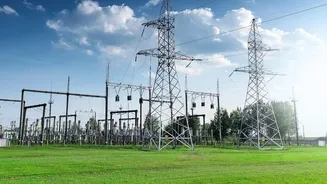
The most telling detail about Project Camellia is its enormous power requirement. Modern data centers, especially those designed to handle AI workloads, are incredibly energy-intensive. A single campus can consume as much electricity as a small city. This power is used not only to run tens of thousands of high-performance servers around the clock but also for the critical cooling systems needed to prevent them from overheating. The scale of the power infrastructure being planned for Project Camellia indicates it is being built to support the next generation of AI and cloud services, which demand more computational power than ever before. This highlights a major challenge for India's digital ambitions: matching its infrastructure growth with a stable and sufficient energy supply.
Why Power Up in Phases?
The timeline, stretching from 2028 to 2032, reveals a strategic, phased approach to bringing the facility online. A project of this magnitude cannot simply be switched on. Powering it up in stages allows for a more manageable rollout. Firstly, it aligns the increasing power supply with the construction and installation of server racks within the data center halls. Secondly, it helps the regional electricity grid absorb the new demand without causing instability. Introducing a load equivalent to a new town overnight would be a huge shock to the system. This gradual commissioning ensures that both the data center's operations and the local power infrastructure can scale up in a coordinated and sustainable manner over several years.
Hyderabad's Growing Tech Clout
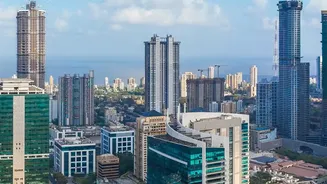
The choice of the Hyderabad region for such a significant investment underscores its emergence as a premier technology hub in India, competing strongly with Bengaluru and Mumbai. The state of Telangana has actively courted technology and infrastructure investments, offering land and streamlined approvals. For a hyperscale data center, the location is critical. It requires access to a large land parcel, robust fiber optic connectivity, a reliable power grid, and a skilled workforce. Hyderabad's ecosystem provides all these elements, making it an ideal location for international tech giants looking to establish a major foothold in the Indian market. This project will further cement the city's reputation as a critical node in India's digital economy.
The Bigger Picture for Digital India
Project Camellia is more than just a single data center; it's a key indicator of a much larger trend. India is currently experiencing a data center boom, fueled by a combination of factors: the government's push for data localization, which requires data on Indian citizens to be stored within the country; the explosive growth of internet users; the rollout of 5G; and the global race for AI supremacy. Companies like Microsoft, Amazon, and Adani are investing billions to build the hyperscale infrastructure needed to power this growth. These projects are foundational to the 'Digital India' initiative, creating the capacity for everything from next-generation e-commerce and digital payments to cutting-edge research in science and medicine.