





The Unsung Hero: What is a Carrier?
Think of a skincare product as a team. The 'active' ingredients are the star players, getting all the attention for scoring goals like brightening or fighting acne. The carrier ingredient, however, is the rest of the team and the entire field they play on.
It's the base of the formula—often listed as the first few ingredients—that delivers the actives into your skin. A carrier system ensures ingredients can penetrate the skin's outer layer, remain stable, and get to where they need to go to be effective. Water is a common carrier, but others like glycerin, butylene glycol, and various oils do the heavy lifting, and their properties dramatically change how a mask feels and performs.
The Three Types of Moisturising Ingredients
Moisturisation in skincare isn't a single action; it's a three-part strategy involving humectants, emollients, and occlusives. Most effective moisturisers and masks use a combination of these. Humectants are 'hydrators' that attract water to the skin. Emollients are 'smoothers' that soften the skin's surface. And occlusives are 'sealants' that create a physical barrier to prevent moisture from escaping. The dominant type of ingredient in your mask’s carrier base will determine its primary moisturising effect and its suitability for your skin type.
Humectants: The Moisture Magnets
If a mask feels watery, light, and instantly plumping, it's likely rich in humectants. Ingredients like glycerin, hyaluronic acid, butylene glycol, and aloe vera are powerful humectants that draw moisture from the air and the deeper layers of your skin to hydrate the surface. They are fantastic for giving a feeling of intense hydration without heaviness, making them ideal for almost all skin types, especially those with dehydrated or oily skin who want to avoid greasy textures. Butylene glycol, a common ingredient, also helps make the mask's serum less sticky and prevents it from drying out too quickly.
Emollients: The Skin Softeners
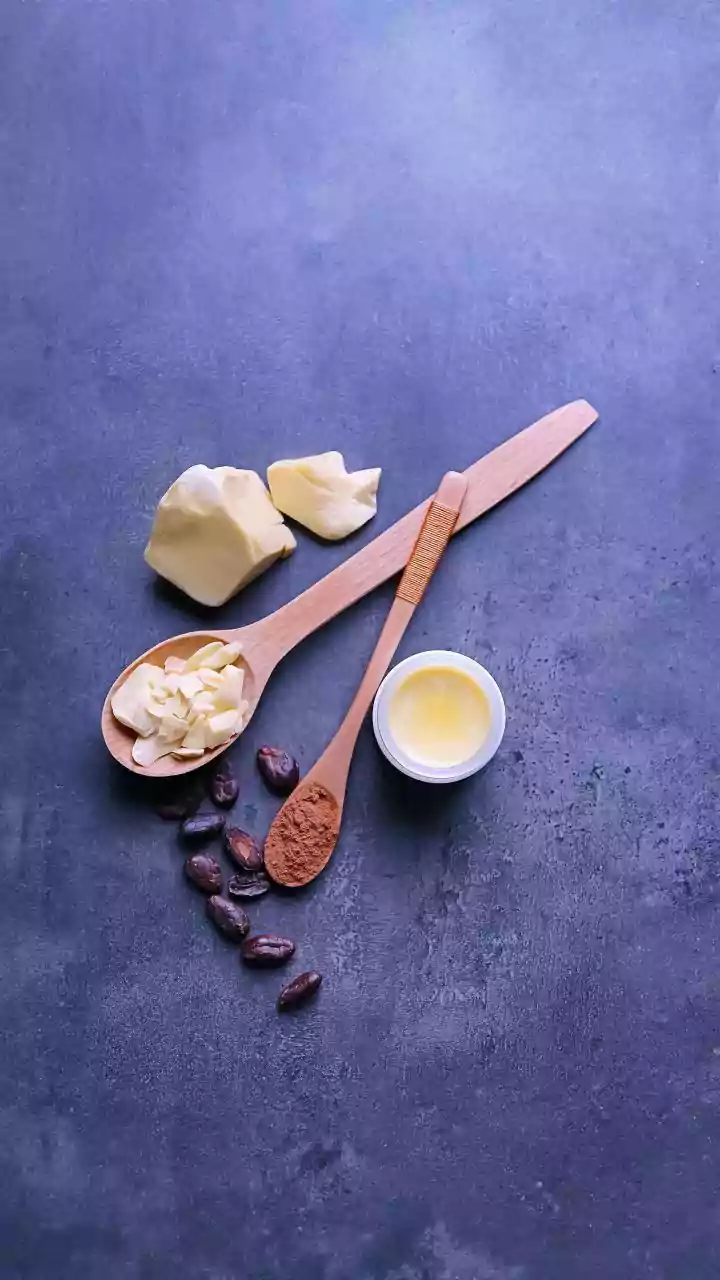
Emollients work by filling in the gaps between skin cells, making the skin feel smoother, softer, and more flexible. Think of them as the conditioner for your skin. Common emollients include plant oils like jojoba, squalane, or almond oil, as well as fatty acids and ceramides. Masks with a creamy or milky texture often rely on emollients. They are excellent for those with dry, rough, or flaky skin, as they help to repair the skin's surface and improve its appearance. Squalane, for example, is a lightweight emollient that provides deep hydration without clogging pores.
Occlusives: The Protective Seals
Occlusive agents are the ultimate defense against moisture loss. They form a physical barrier on the skin's surface that significantly reduces transepidermal water loss (TEWL)—the process of water evaporating from your skin. Ingredients like petrolatum, waxes, and silicones (such as dimethicone) are powerful occlusives. While they can sometimes feel heavy, they are unmatched for protecting and healing very dry, compromised, or irritated skin barriers. A mask with occlusives is perfect for use in a dry climate or overnight to lock in all the goodness from your other skincare steps.
Reading the Label for Your Skin Type
So how do you use this knowledge? Ignore the marketing on the front and turn to the ingredients list on the back. The first few ingredients make up the bulk of the formula. For oily or acne-prone skin, look for masks where humectants like glycerin or hyaluronic acid are high on the list. For dry skin, you’ll want a product that combines humectants with emollients (like shea butter, jojoba oil) and possibly some occlusives to both add and seal in moisture. For sensitive skin, look for simpler formulas with soothing carriers like aloe vera or oat extract, and fewer active ingredients that could cause irritation.