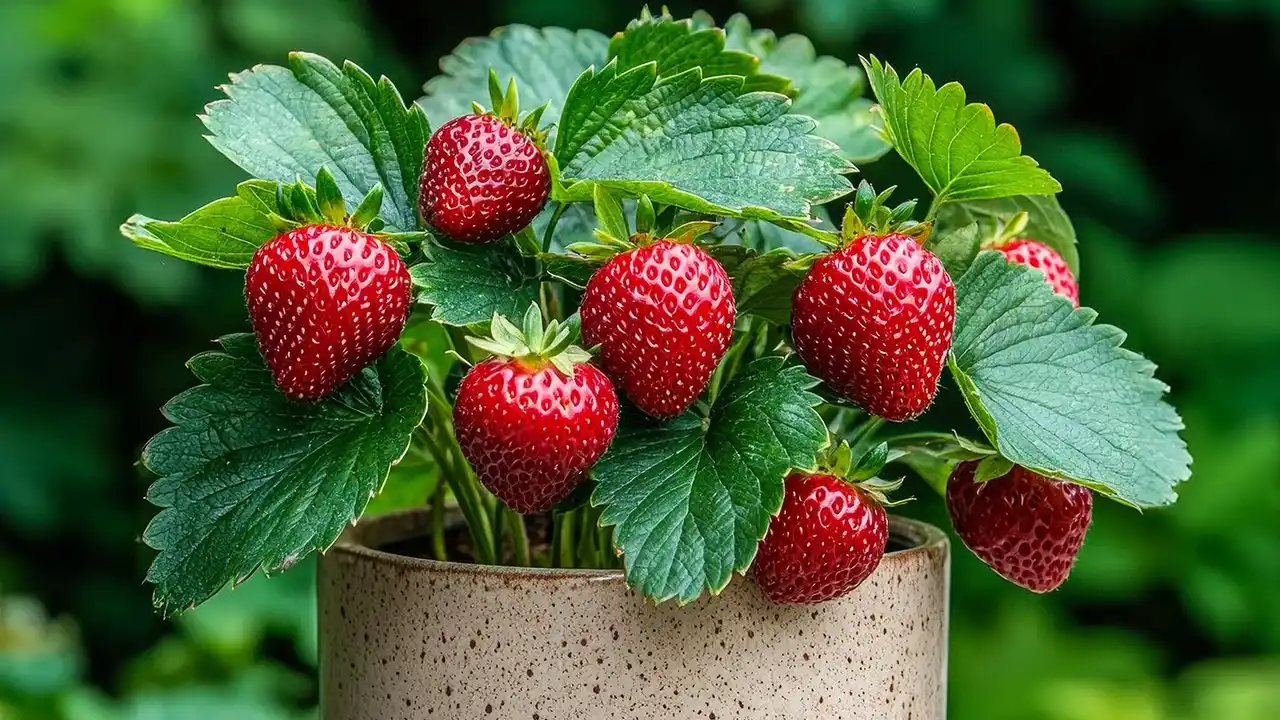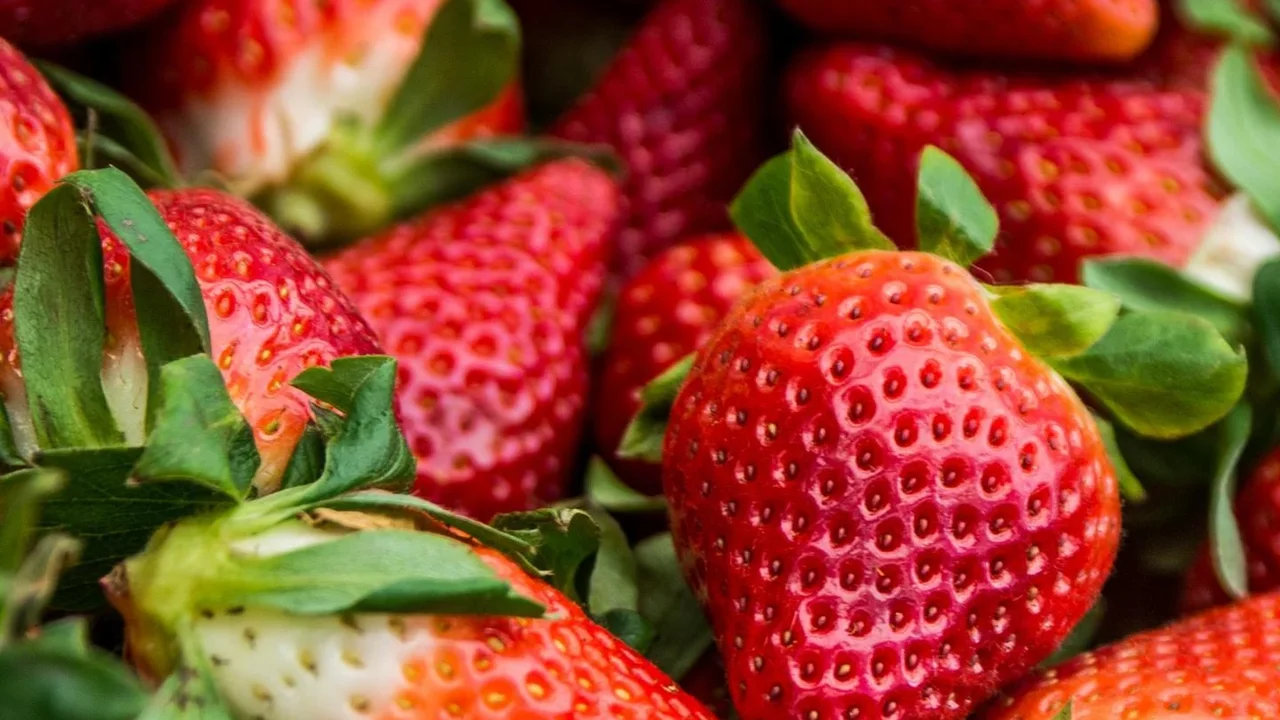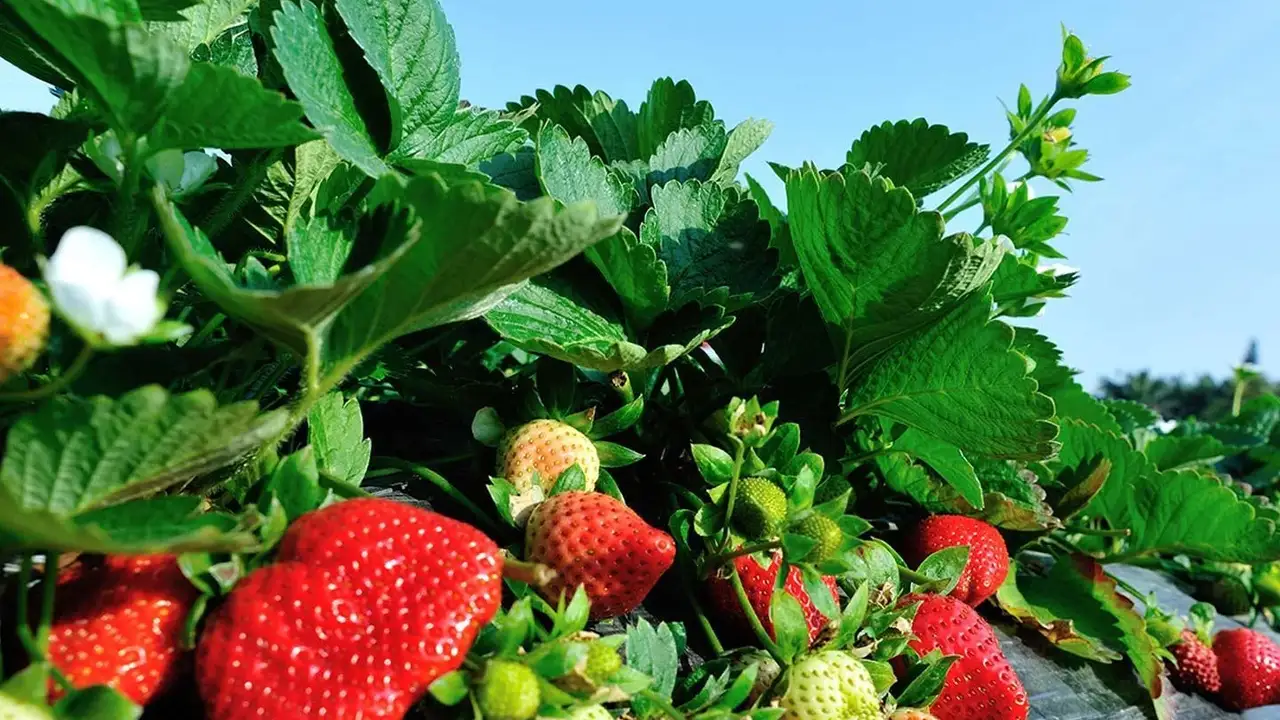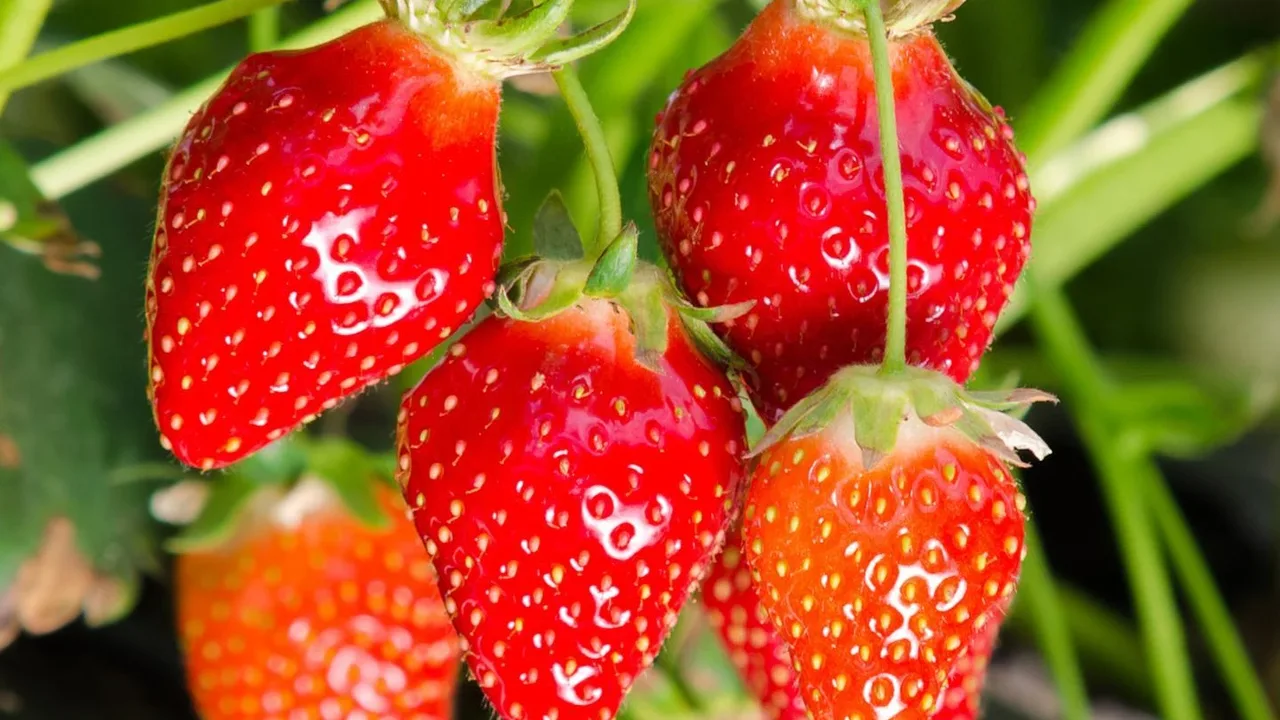



A British-Era Beginning
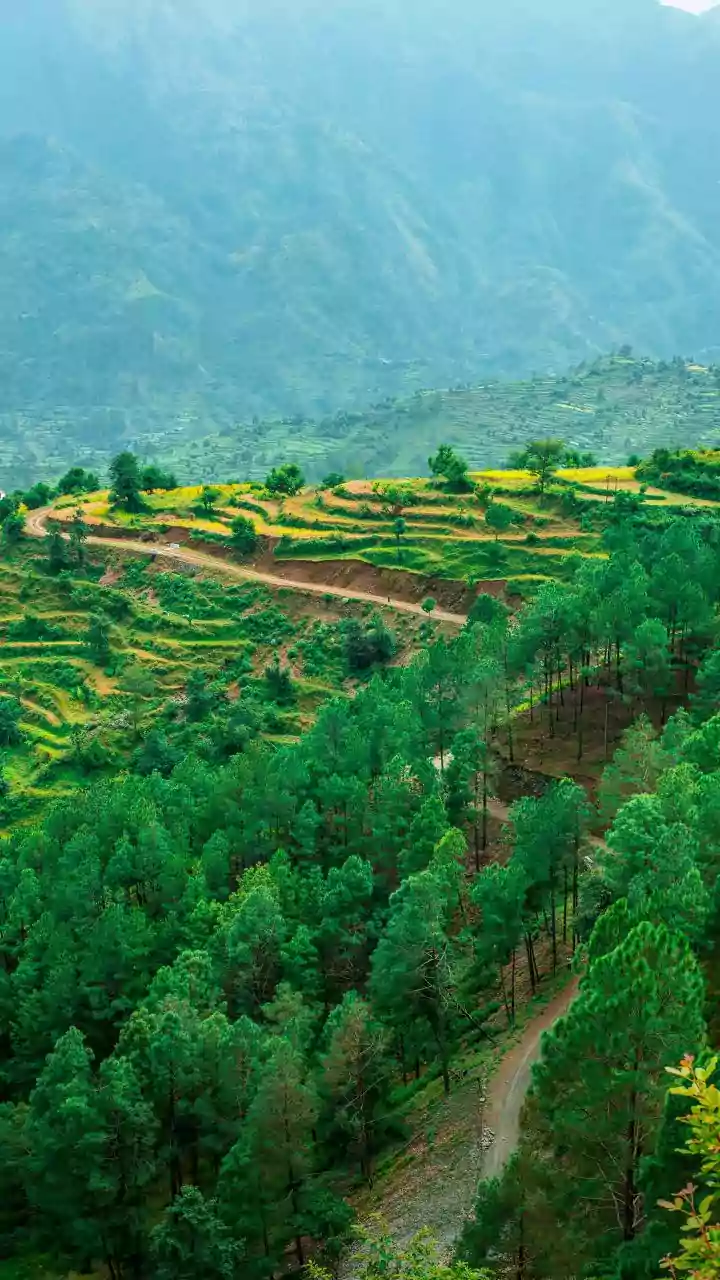
The story of strawberries in India begins not in a lab, but with British colonials in the 19th century. They introduced the fruit to the hills of Mahabaleshwar, Maharashtra, finding its cool climate similar to England's. For a long time, this region,
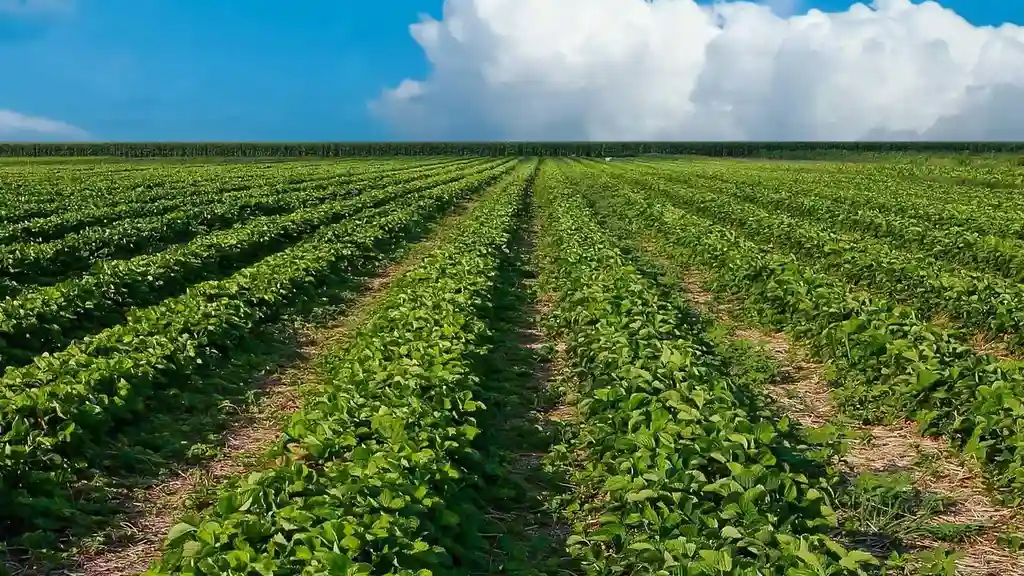
with its unique red soil and temperate weather, became the undisputed strawberry capital, accounting for about 85% of India's total production. Farmers in the Mahabaleshwar-Panchgani belt have cultivated the fruit for generations, with the 'Mahabaleshwar Strawberry' even earning a Geographical Indication (GI) tag in 2010 for its unique quality. However, these early varieties were largely imported and not always suited for the rest of the country.
Why We Need Indian Varieties
If we already have strawberries, why do we need to breed new ones? The answer lies in adaptation. Most strawberry varieties are native to temperate regions and struggle in India's predominantly subtropical and tropical climates. Relying on foreign cultivars presents several challenges: they may not tolerate our heat, they can be susceptible to local pests and diseases, and their shelf life might be too short for transport across vast distances in a warm country. The goal of Indian strawberry breeding is to create 'desi' versions that are resilient, high-yielding, and can thrive beyond the traditional hilly belts, potentially even in the plains. This makes the fruit more accessible and affordable for everyone.
The Science of a Sweeter Berry
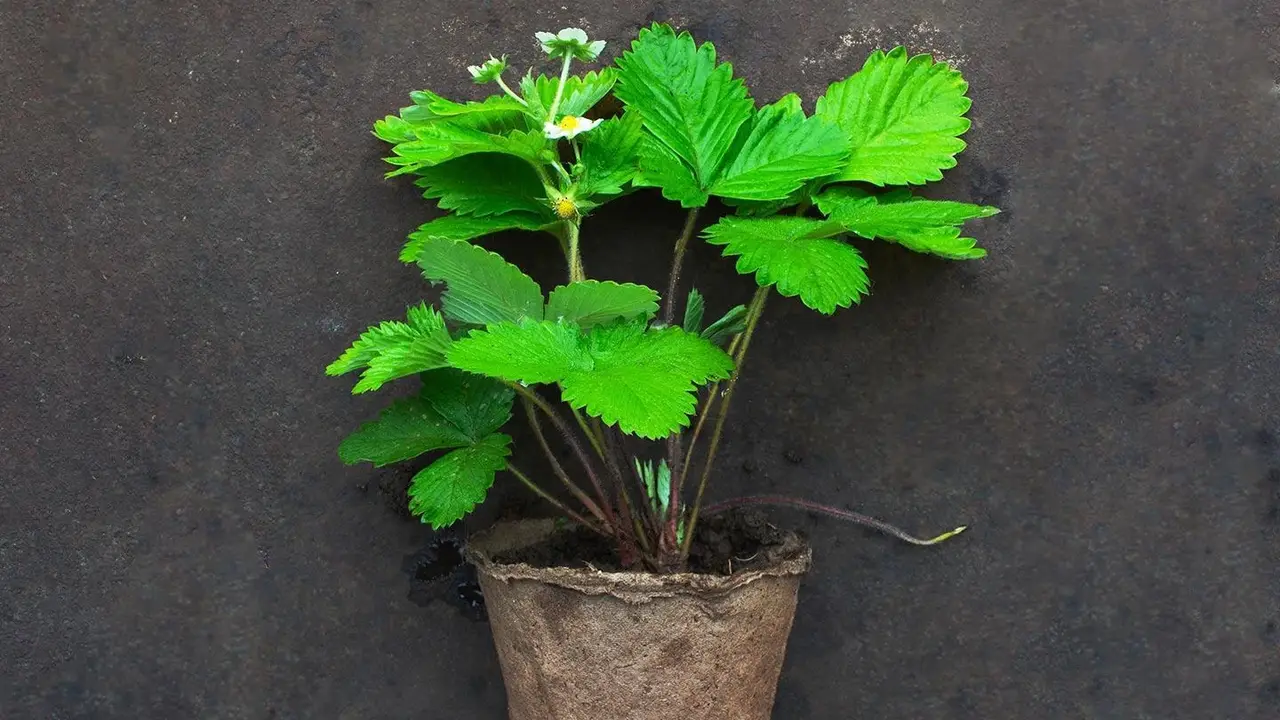
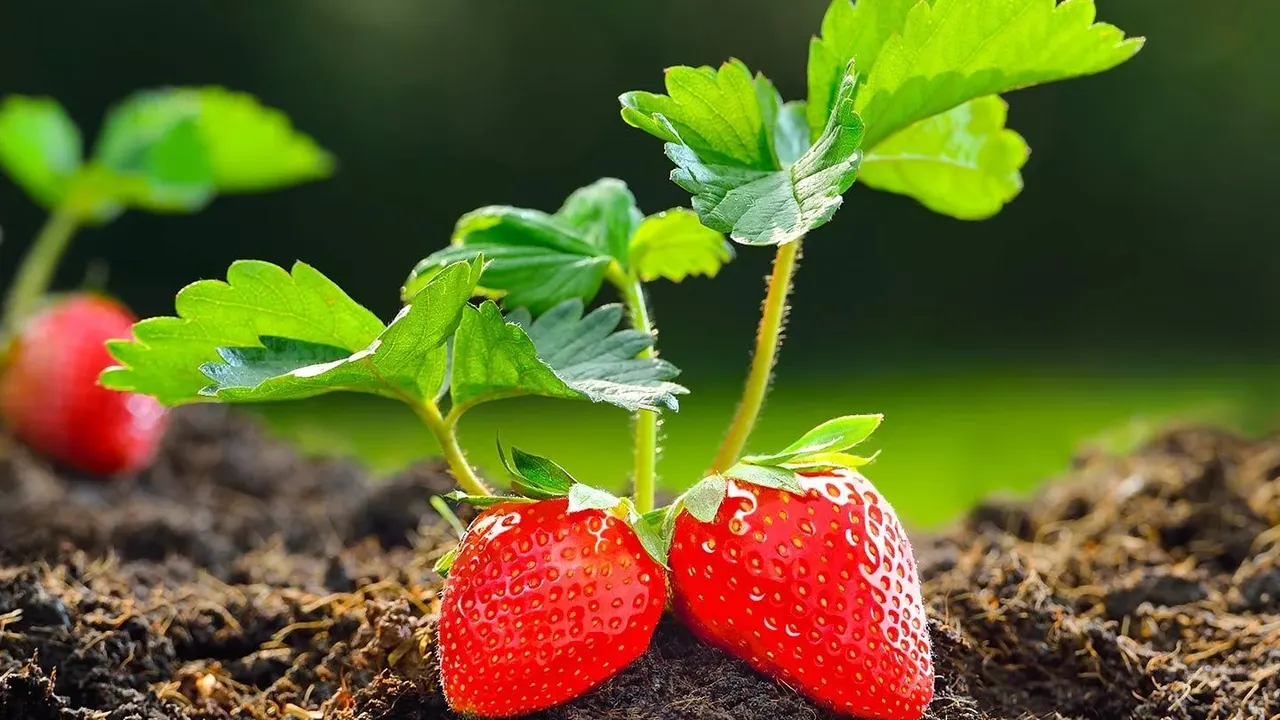
Breeding a new strawberry isn't magic; it's a patient science. The process starts with cross-pollination. Scientists select two parent plants with desirable traits. For instance, one plant might produce very sweet fruits but have low resistance to heat, while another might be incredibly hardy but have smaller berries. By carefully transferring pollen from one to the other, they create seeds that carry a mix of these traits. Researchers then plant these seeds and meticulously observe the resulting plants over several generations. They select only the best offspring—those that exhibit the perfect combination of sweetness, size, resilience, and yield. This process can take years of dedicated effort. Once a winning variety is found, it is multiplied using techniques like tissue culture, which allows for the creation of thousands of identical, disease-free plants from a small piece of the parent plant.
Meet the New Generation of Indian Strawberries
Indian agricultural institutes have been hard at work developing new varieties. The Indian Agricultural Research Institute (IARI) and the Central Institute for Subtropical Horticulture (CISH) are leading the charge. While specific, widely commercialized variety names can be hard to track, the focus is clear: create day-neutral cultivars. These are plants that can flower and produce fruit regardless of the length of the day, making them suitable for a wider range of latitudes and potentially allowing for year-round cultivation. The famous 'Chandler' variety from California, introduced in the 1990s, revolutionized farming in Mahabaleshwar with its large, tasty fruit, and today's breeders aim to build on that success with locally adapted genetics.
Challenges on the Horizon
Despite the progress, breeders and farmers face significant hurdles. Strawberries are delicate and susceptible to a host of fungal diseases like grey mold and powdery mildew, especially in warm and humid conditions. Changing weather patterns, including unseasonal rains and rising temperatures, also pose a serious threat to open-field cultivation. Furthermore, the fruit's short shelf life remains a major logistical problem, requiring efficient cold chains to get it from farm to market without spoilage. Overcoming these issues is a key part of the breeding puzzle, as scientists work to develop not just tastier, but tougher strawberries.