




A Prince's Radical Decision
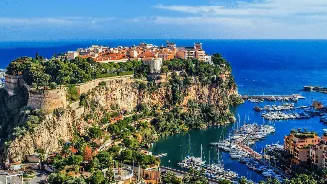
The story begins in the mid-19th century with a crisis. After losing 95% of its territory to France, the Principality of Monaco was on the brink of bankruptcy. Prince Charles III needed a bold new economic model. His solution was two-fold: transform Monaco into
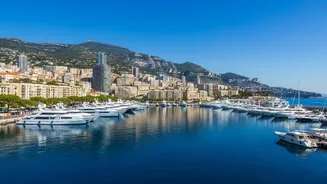
a glamorous destination for the world's elite and abolish personal income tax to attract them. In 1869, he did just that. The establishment of the world-famous Monte Carlo Casino and luxury hotels provided a new, steady stream of state revenue, making it possible to eliminate the tax burden on residents. This move successfully repositioned Monaco as a haven for the wealthy, a status it has carefully maintained for over 150 years.
How Monaco Pays Its Bills
So, if residents aren't paying income tax, how does the government fund its services, infrastructure, and famously high standard of living? The answer lies in a diversified, indirect tax system. The single largest source of revenue is a Value-Added Tax (VAT), which is levied on goods and services at the same rate as in neighbouring France—with a standard rate of 20%. Another key pillar is corporate income tax. However, this tax primarily targets businesses that earn more than 25% of their revenue outside of Monaco. Companies operating almost exclusively within the principality's borders are generally exempt. The state also profits from its monopolies in sectors like tobacco and postal services, as well as from real estate transactions, which are subject to significant registration duties.
Not a Free-for-All
The absence of income tax doesn't mean it is a complete tax-free paradise for everyone. There's one major exception to the rule: French nationals. Due to a bilateral treaty signed in 1963 under pressure from then-President Charles de Gaulle, French citizens who move to Monaco remain subject to France's income tax laws. Furthermore, while individuals don't pay tax on capital gains or wealth, inheritance taxes do exist. The rate depends on the relationship to the deceased; for direct heirs like children or a spouse, the rate is 0%, but for unrelated individuals, it can be as high as 16%.
The Price of Admission
Enjoying Monaco's fiscal benefits requires becoming an official resident, and that process is highly selective. Aspiring residents must prove they have a place to live, which in one of the world's most expensive real estate markets is a significant hurdle in itself. Applicants must also demonstrate financial self-sufficiency. This typically involves depositing a substantial sum—often cited as at least €500,000—into a Monaco-based bank account. Finally, a thorough background check is conducted to ensure applicants are of 'good character'. To maintain tax residency status, individuals are generally expected to spend more than half the year (at least 183 days) within the principality's borders. This ensures that residency is more than just a mailing address; it requires a genuine commitment to living in Monaco.