


Why Your Fasting Diet Needs a Plan
The month of Sawan, which in 2026 runs from July 30 to August 28 for North India, involves many devotees observing fasts, especially on Mondays (Somwar). While traditional 'vrat' foods are plentiful, many common choices like deep-fried potato snacks or sugary
sweets can lead to energy crashes and even weight gain. A well-planned diet is essential to remain energetic and healthy. The goal is to move beyond relying solely on high-carbohydrate options like sabudana and potatoes. Nutrition experts advise focusing on nutrient-dense foods that provide a balanced mix of proteins, healthy fats, and complex carbohydrates to ensure you feel full and nourished, not deprived.
Dairy: The Foundation for Protein and Fullness
Dairy products are a cornerstone of a healthy Sawan diet, widely permitted and incredibly nutritious. Milk, paneer (cottage cheese), curd (yogurt), and buttermilk are excellent sources of high-quality protein, which is crucial for preserving muscle mass and controlling hunger during fasting periods. Protein helps slow down digestion, promoting a feeling of satiety that prevents overeating later. A simple bowl of curd, a glass of milk, or some lightly sautéed paneer can make a meal significantly more filling. Greek yogurt is particularly praised by nutritionists for its high protein content and gut-friendly probiotics.
Nuts: A Handful of Healthy Fats and Energy
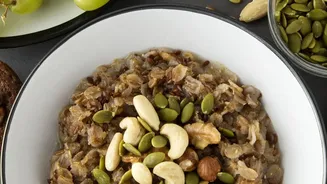
Nuts like almonds, walnuts, and peanuts are powerful additions to any fasting diet. They are packed with healthy monounsaturated fats, protein, and fibre, a combination that provides sustained energy release rather than a quick spike and crash. A small handful of mixed nuts can effectively curb hunger pangs between meals. Besides providing energy, almonds and walnuts are also rich in vitamin E and antioxidants, supporting overall health. You can eat them soaked, roasted, or add them to other dishes like fruit salads or milk-based desserts like kheer for extra crunch and nutrition. Peanuts, often used in sabudana khichdi, also offer a good dose of protein and healthy fats.
Seeds: The Unsung Heroes of Vrat Nutrition
Often overlooked, seeds are tiny nutritional powerhouses. Varieties like pumpkin, sunflower, flax, and chia seeds are excellent additions to your Sawan meals. They provide healthy fats, fibre, and essential minerals like magnesium. Incorporating seeds is easy: sprinkle them over yogurt, blend them into fruit smoothies, or mix them into homemade 'ladoos'. They add texture and a significant nutrient boost to almost any dish, helping you stay full and energized. Their fibre content also aids in digestion, which can sometimes be sluggish during dietary changes associated with fasting.
Building a Balanced Sawan Plate
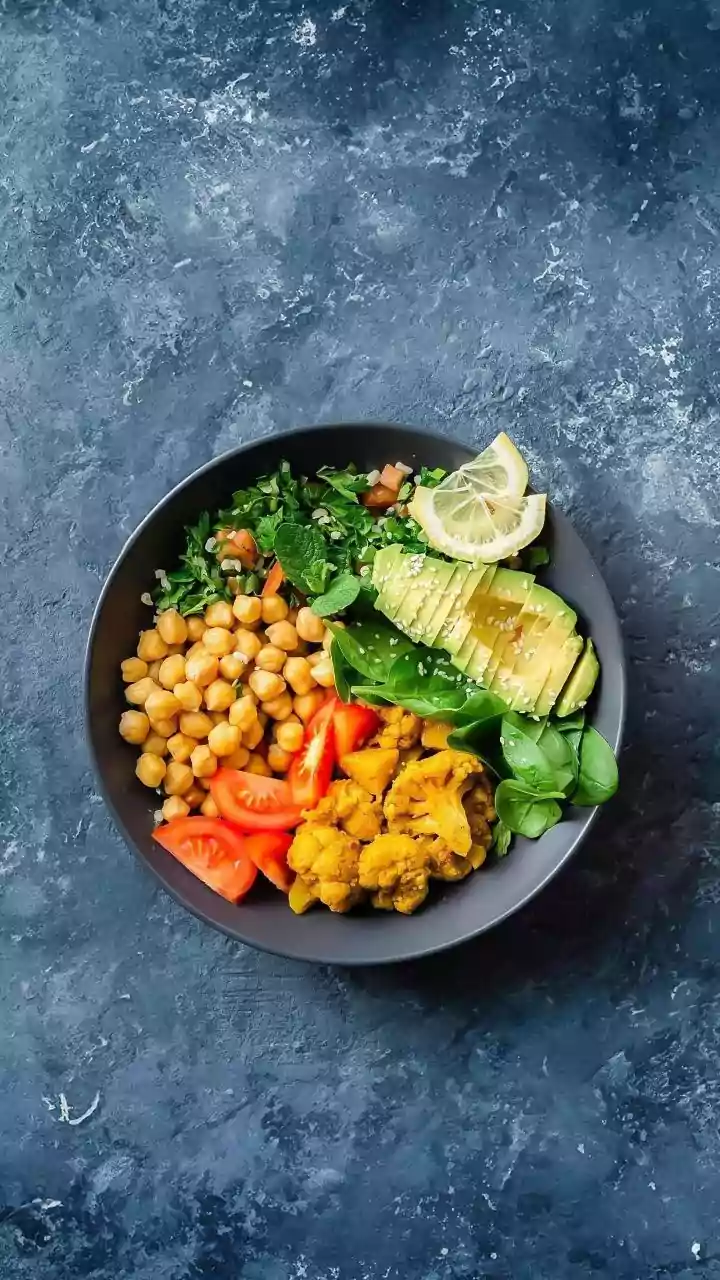
Creating a balanced meal is about smart pairing. Instead of a meal based only on potatoes, pair them with a protein source. For example, have your 'vratwale aloo' with a side of paneer or a bowl of curd. A breakfast of fruit is good, but adding a handful of nuts or a glass of milk makes it more complete and will keep you full longer. For a main meal, a 'kuttu' (buckwheat) or 'singhara' (water chestnut) flour roti can be paired with a simple pumpkin or bottle gourd sabzi and a bowl of raita. Snacks can be as simple as roasted makhana (fox nuts) or a fruit chaat sprinkled with seeds. The key is to ensure every meal has a source of protein and healthy fat to balance the carbohydrates.
Mindful Eating for a Healthy Fast
While adding these food groups is important, it's also crucial to be mindful of what to limit. Nutritionists advise against over-consuming deep-fried items, even if they are made with 'vrat-friendly' ingredients. Opt for baking, roasting, or grilling instead of deep-frying your potatoes or tikkis. It is also wise to stay away from excessive sugar and packaged sweets. Staying hydrated with water, coconut water, and fresh juices is equally important to avoid confusing thirst with hunger. A mindful approach ensures your fast is not only a spiritual journey but a healthy one too.