




A Journey into Living History
The Darjeeling Himalayan Railway (DHR), affectionately known as the 'Toy Train', is more than just a mode of transport; it is a piece of living history. Built between 1879 and 1881, this marvel of engineering was declared a UNESCO World Heritage Site
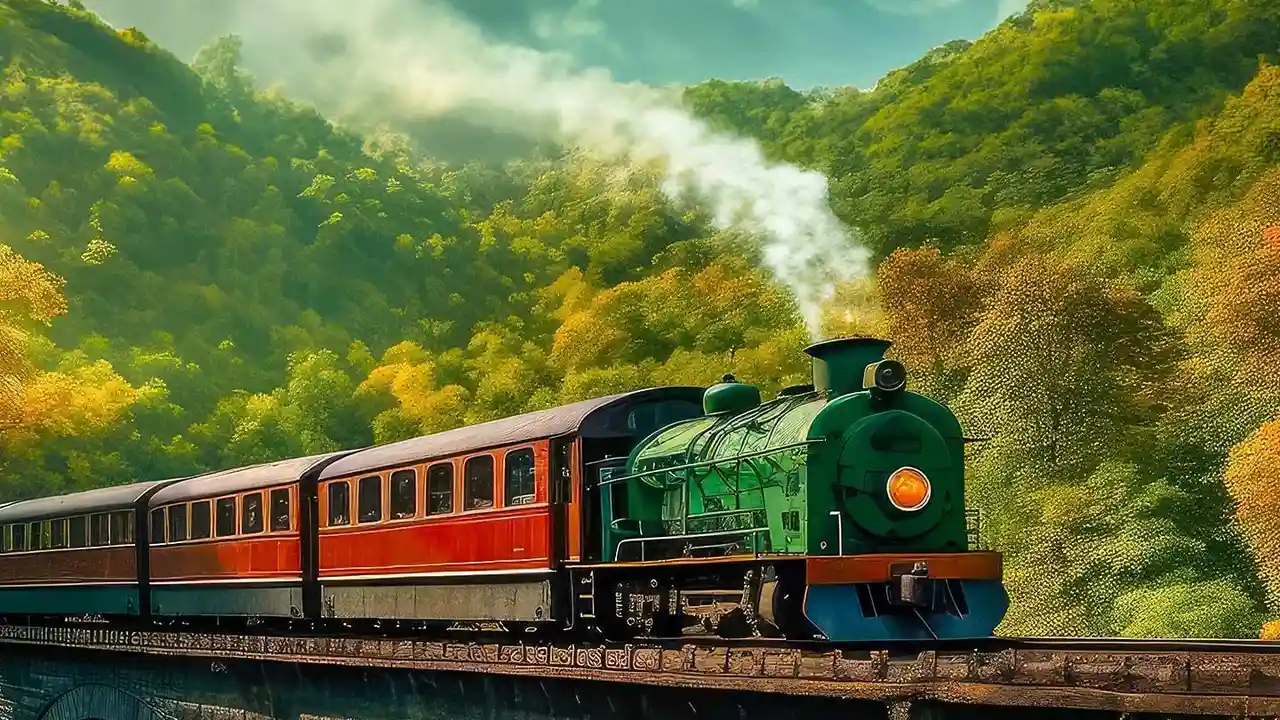
in 1999, recognised for its cultural importance and pioneering design. The full journey begins in the plains at New Jalpaiguri (NJP) and slowly winds its way up to the hill station of Darjeeling, ascending over 2,000 metres. The train operates on a narrow 2 ft gauge track, navigating the challenging mountain terrain with remarkable ingenuity. While diesel engines now handle the full-day service for speed and efficiency, the romance of the original B-Class steam locomotives can still be experienced on shorter 'Joy Ride' tourist routes from Darjeeling.
An Engineering Marvel on the Mountainside
What makes the DHR an engineering feat is how it conquers the steep Himalayan ascent. Faced with gradients that were too severe for a conventional railway, its engineers devised a brilliant system of loops and zig-zags (reverses) to allow the train to climb steadily. The most famous of these is the Batasia Loop, constructed in 1919 just after Ghum station. Here, the track spirals around a beautifully manicured garden and a war memorial dedicated to Gorkha soldiers, allowing the train to navigate a sharp 140-foot drop in altitude. As the train completes its 360-degree turn, passengers are treated to a stunning panoramic view of Darjeeling town with the snow-capped peak of Kanchenjunga in the distance. It is a moment that perfectly captures the blend of human ingenuity and natural splendour that defines this trip.
Through Markets, Forests, and Tea Gardens
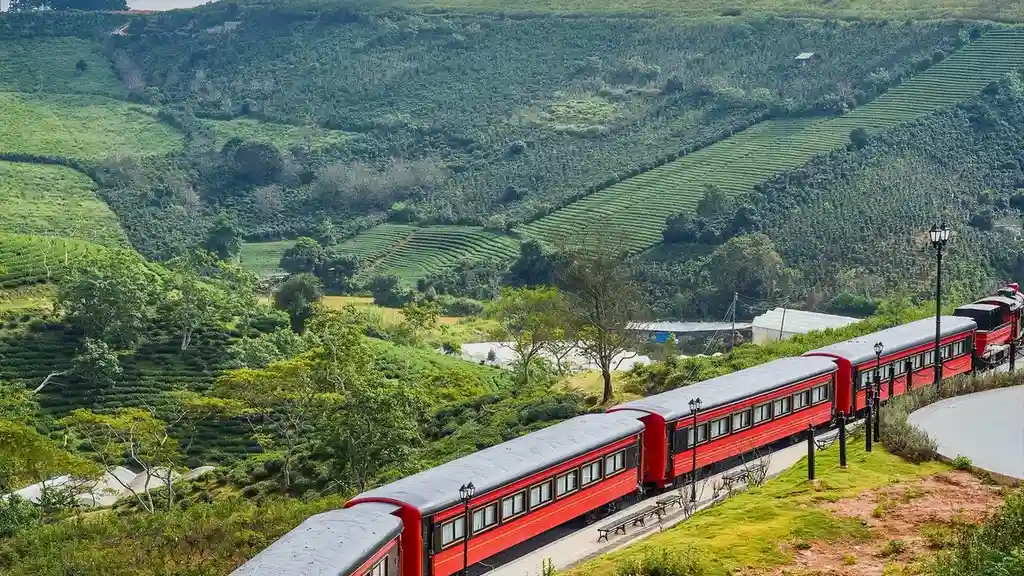
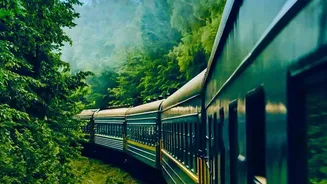
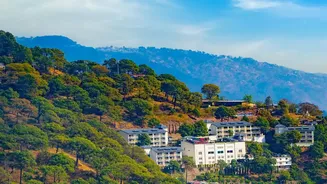
The journey from New Jalpaiguri is a slow, unfolding spectacle of changing landscapes. The train begins in the heat of the plains before climbing through dense forests and verdant tea gardens that blanket the hillsides. One of the unique charms of the DHR is its intimate proximity to the local life. The track runs parallel to the Hill Cart Road, and at times, it feels as if the train is trundling right through the front yards and bustling markets of the small towns along the way. The leisurely pace, averaging around 11 km/h, allows for a connection with the surroundings that is impossible in a car or bus. Passengers can wave to locals, admire the colonial-era architecture of stations like Kurseong and Tindharia, and truly absorb the atmosphere of the Eastern Himalayas.
The Summit at Ghum
A major highlight of the trip is arriving at Ghum station. At an altitude of 2,258 metres (7,407 feet), it is India's highest railway station and a destination in itself. The train pauses here, allowing travellers to step out into the cool mountain air and visit the DHR Ghum Museum. The museum houses rare artefacts, old photographs, and even the 'Baby Sivok,' the oldest engine of the DHR from 1881, offering a deeper appreciation for the railway's long and storied past. From Ghum, the train begins its final, gentle descent into Darjeeling, having conquered the mighty ascent and brought its passengers to the 'Queen of the Hills'.