



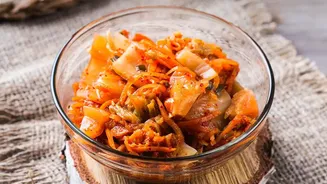
Understanding Gut-Friendly Eating
Before diving into recipes, it’s helpful to know what makes a meal “gut-friendly.” It’s not about restrictive dieting, but rather about incorporating foods that support a healthy gut microbiome—the trillions of microorganisms living in your digestive
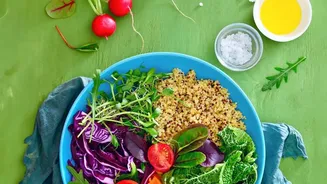
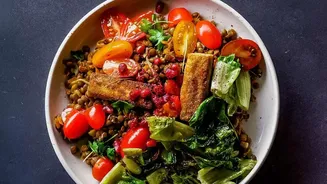
tract. Key components include fiber, which feeds beneficial gut bacteria, and a diverse range of plant-based foods. Foods rich in fiber like whole grains, legumes, and leafy greens help maintain regularity and fuel a healthy gut environment. Additionally, prebiotic foods such as garlic, onions, and asparagus act as food for the good bacteria already in your system. Finally, anti-inflammatory foods like fatty fish rich in omega-3s can help support the integrity of your gut lining. The goal is to create a colorful plate filled with a variety of nutrients.
The Genius of One-Pan Simplicity
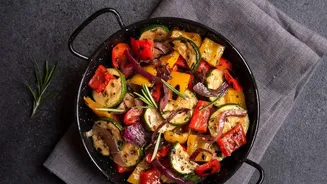
The beauty of one-pan and sheet-pan meals lies in their efficiency. Tossing all your ingredients onto a single baking sheet and letting the oven do the work saves significant time on both preparation and cleanup. This cooking method is also inherently healthy. Roasting vegetables like broccoli, carrots, and sweet potatoes helps concentrate their natural flavors with minimal added fat. It’s an easy way to ensure your meal is packed with a variety of vegetables, a lean protein, and healthy fats, creating a balanced plate that supports stable blood sugar levels and satiety. This approach makes healthy eating feel less like a chore and more like a simple, sustainable habit.
How to Build Your Own Sheet-Pan Meal
Creating a delicious and gut-friendly sheet-pan dinner is as easy as following a simple formula. Start by lining a baking sheet with parchment paper for the easiest cleanup. Then, choose your components: 1. Pick a Lean Protein: Salmon, cod, chicken breast, shrimp, or plant-based options like chickpeas and tofu work well. Lean proteins are often easier on the digestive system. 2. Load Up on Vegetables: Aim for a colorful mix to maximize nutrient diversity. Broccoli, Brussels sprouts, bell peppers, zucchini, and leafy greens like kale are excellent choices. Don't be afraid to use pre-chopped veggies to save even more time. 3. Add a Healthy Fat: Drizzle your ingredients with olive oil, which contains anti-inflammatory properties and supports beneficial bacteria. Avocado can be added after cooking. 4. Season Generously: Use gut-friendly seasonings like garlic, ginger, and turmeric, which have anti-inflammatory benefits. Fresh herbs also add flavor without relying on excess salt.
Recipe Idea: Lemon Herb Salmon with Asparagus and Cherry Tomatoes
This classic combination is both elegant and incredibly simple. Place salmon fillets on your prepared baking sheet. Surround them with asparagus spears and a handful of cherry tomatoes. Drizzle everything with olive oil and season with salt, pepper, dried oregano, and fresh garlic slices. Squeeze half a lemon over the top and place the other half, cut into slices, on the pan. Bake at 200°C (400°F) for 15-20 minutes, or until the salmon is cooked through and flaky. The salmon provides omega-3s, while asparagus is a great source of prebiotics to feed your healthy gut bacteria.
Recipe Idea: Rainbow Vegetable and Chickpea Bake
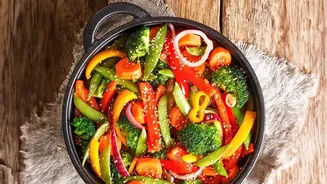
For a vibrant, plant-based option, combine a can of drained chickpeas with chopped sweet potatoes, red onion, and bell peppers of various colors. Toss them with olive oil, smoked paprika, cumin, and a pinch of salt. Spread the mixture in a single layer on your baking sheet and roast at 200°C (400°F) for 25-30 minutes, or until the vegetables are tender and slightly caramelized. Chickpeas and sweet potatoes are fantastic sources of fiber, which is crucial for digestive health and regularity. Serve this bake on its own or over a bed of quinoa for an extra protein boost.