
A Star's Final Choice
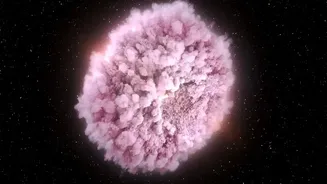
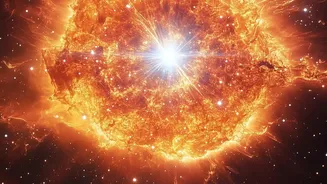
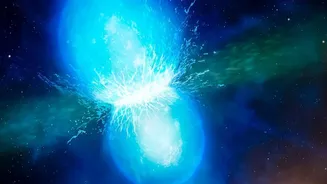
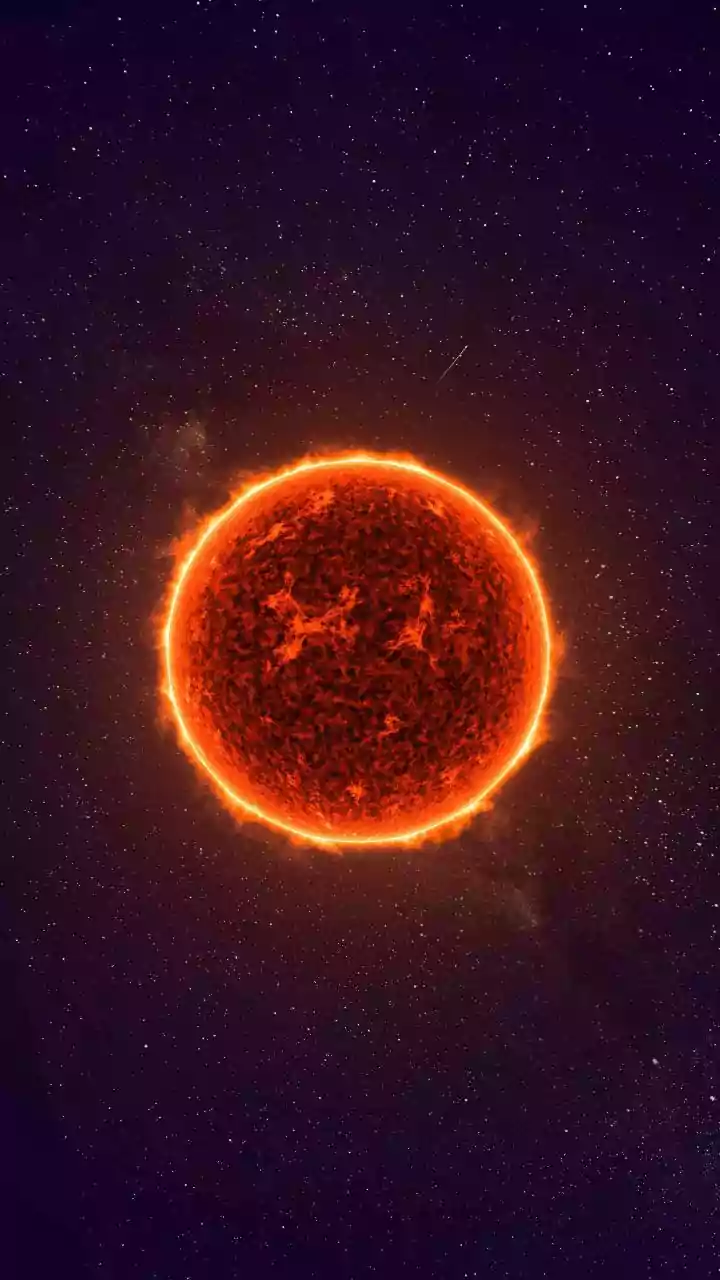
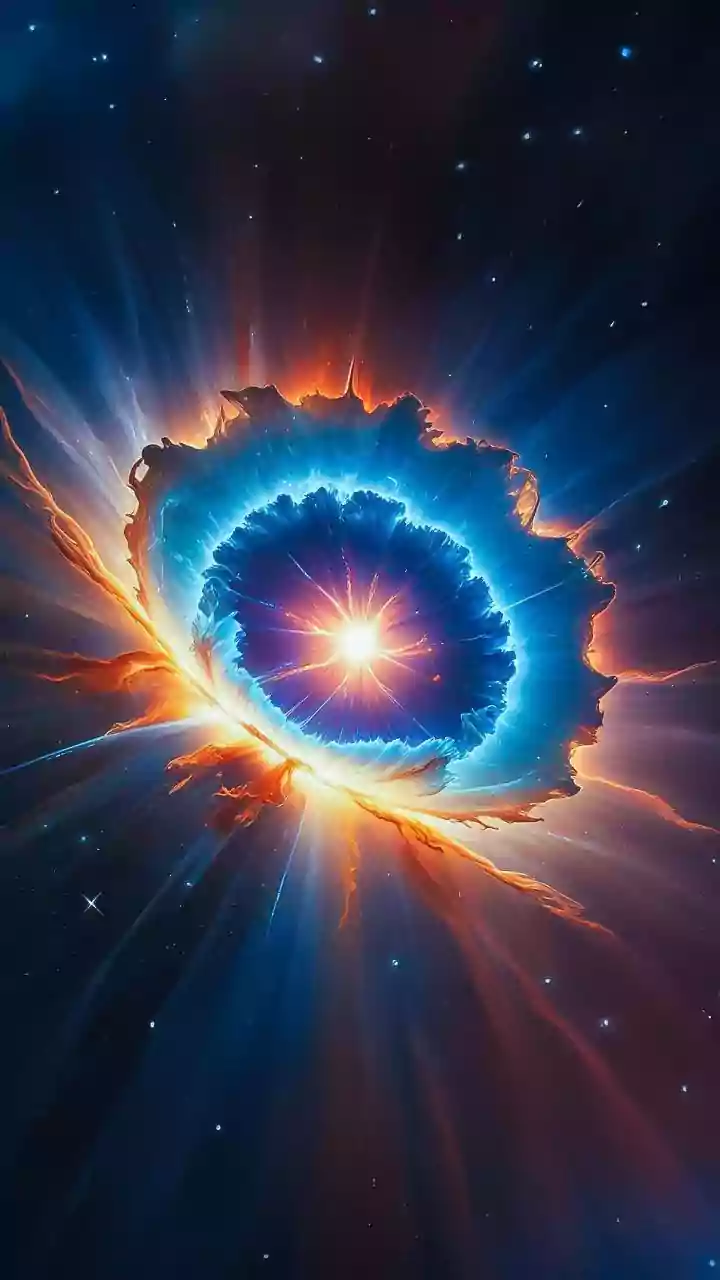
When a star many times more massive than our sun runs out of fuel, its life ends in one of two ways. Its core implodes under its own immense gravity. Sometimes, this collapse triggers a cataclysmic explosion known as a supernova, leaving behind a super-dense
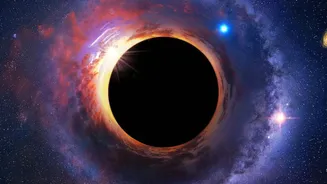
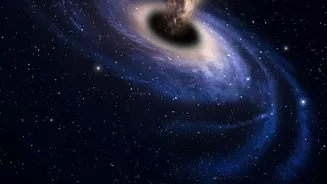
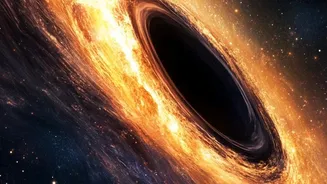
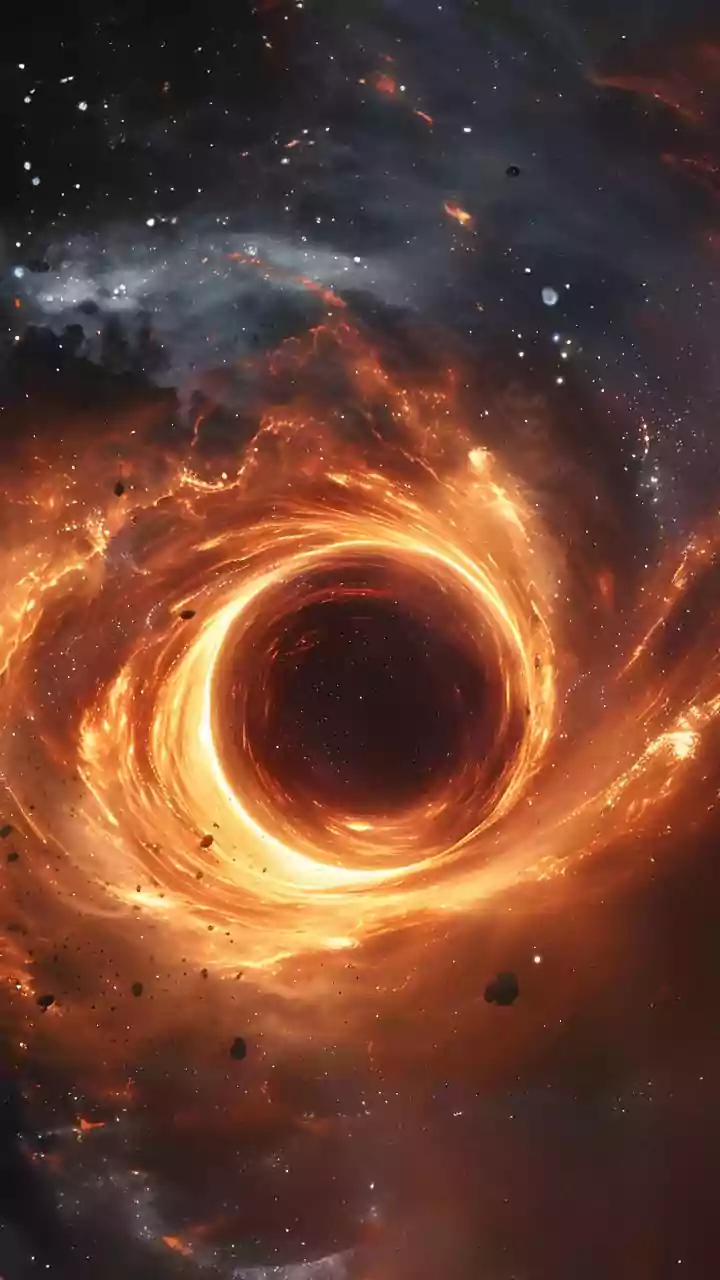
remnant called a neutron star. In other cases, the explosion fails. The star collapses completely and quietly, forming a black hole—an object so dense that not even light can escape. For decades, astrophysicists have worked to understand what tips the balance. Recent studies suggest a crucial, previously overlooked factor: the bizarre behaviour of neutrinos deep inside the star's collapsing core.
Meet the 'Ghost Particle'
Neutrinos are fundamental particles, but they are unlike anything else we know. They have almost no mass, no electric charge, and barely interact with other matter. Billions of them from the sun pass through your body every second without you ever noticing. This elusive nature has earned them the nickname 'ghost particles'. During the collapse of a star's core, an almost unimaginable number of neutrinos are created, carrying away about 99% of the energy from the event. They are not just a side effect; they are central to the process. The way these particles interact with the material just outside the core can determine the star's fate.
A Cosmic Identity Crisis
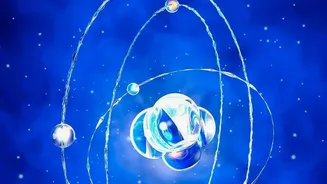
One of the strangest things about neutrinos is that they come in three types, or 'flavors': electron, muon, and tau. Even stranger, they can change from one flavor to another as they travel, a phenomenon called neutrino oscillation. For a long time, scientists thought this flavor-swapping might not significantly affect a star's final collapse. However, new simulations that incorporate this behavior tell a different story. The extreme density inside a dying star forces neutrinos to interact with each other, and these interactions can trigger rapid flavor changes. This transformation is not just a curious quirk; it fundamentally alters the physics of the explosion.
How Flavor Flips the Script
The key is energy. When the core of a star collapses, the flood of escaping neutrinos slams into the surrounding layers of the star, heating them up. If this heating is powerful enough, it will drive a massive shockwave outward, resulting in a supernova explosion. If the heating fails, gravity wins, and the star collapses into a black hole. New research shows that when neutrinos change flavor, it affects how efficiently they transfer this crucial energy. These flavor conversions can lead to a hotter, more neutron-rich core, which makes it harder for an explosion to get going. According to recent models simulating hundreds of star collapses, including this flavor-changing physics makes stars—especially those between 16 and 30 times the mass of our sun—significantly more likely to fail to explode and instead form a black hole.
Why This Changes Everything
This discovery could help solve several long-standing cosmic mysteries. For instance, astronomers have long noted that we observe fewer supernovae than our theories predict. If many massive stars are quietly collapsing into black holes instead of exploding, this could explain the discrepancy. It also helps us understand why some giant stars seem to simply vanish without a trace. This new understanding of the role of neutrinos provides a vital tool for predicting which stars will light up the sky and which will fade to black. By refining our models to include the physics of these 'ghost particles', we get a much clearer picture of how the universe forges some of its most extreme objects.