

A Watershed Year for Indian EVs
The fiscal year 2026 was a pivotal period for electric mobility in India, culminating in EVs capturing 8.5% of the total vehicle market. While this figure seems modest, it represents a significant acceleration in adoption, with over 2.5 million EVs sold
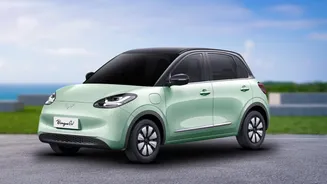
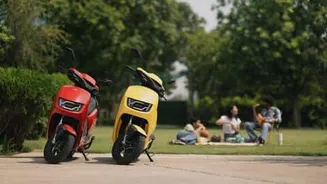
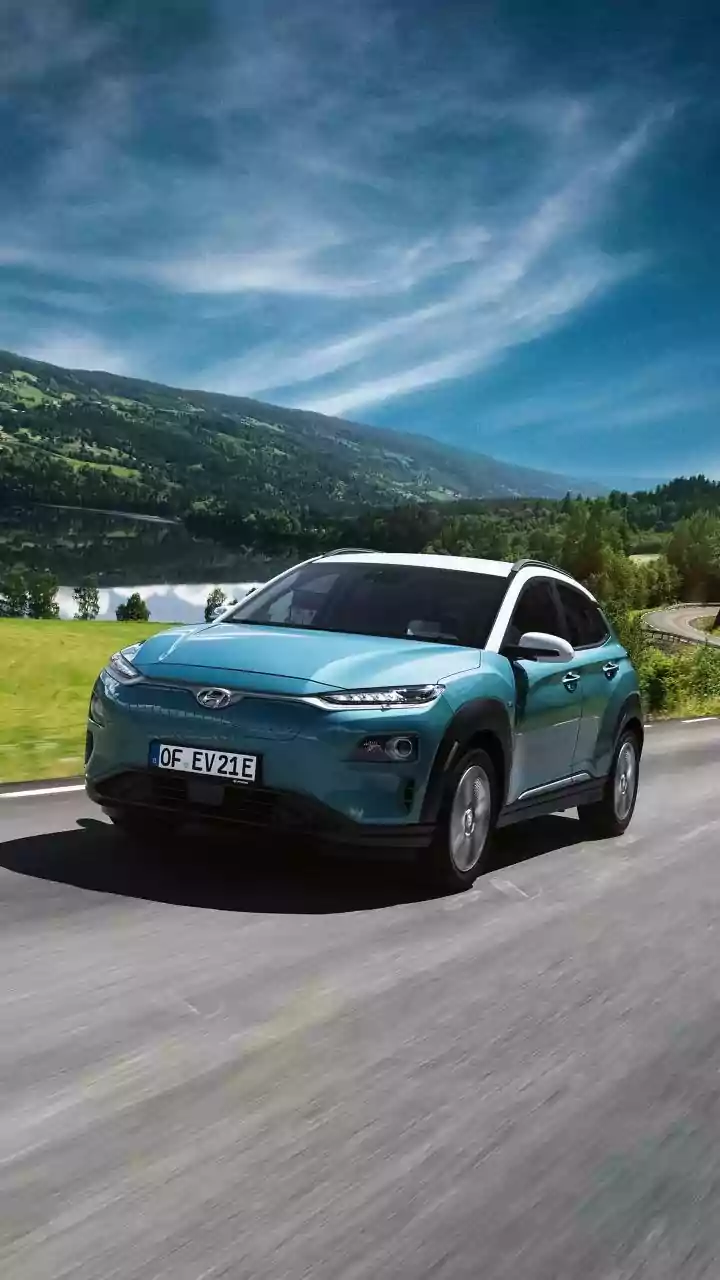
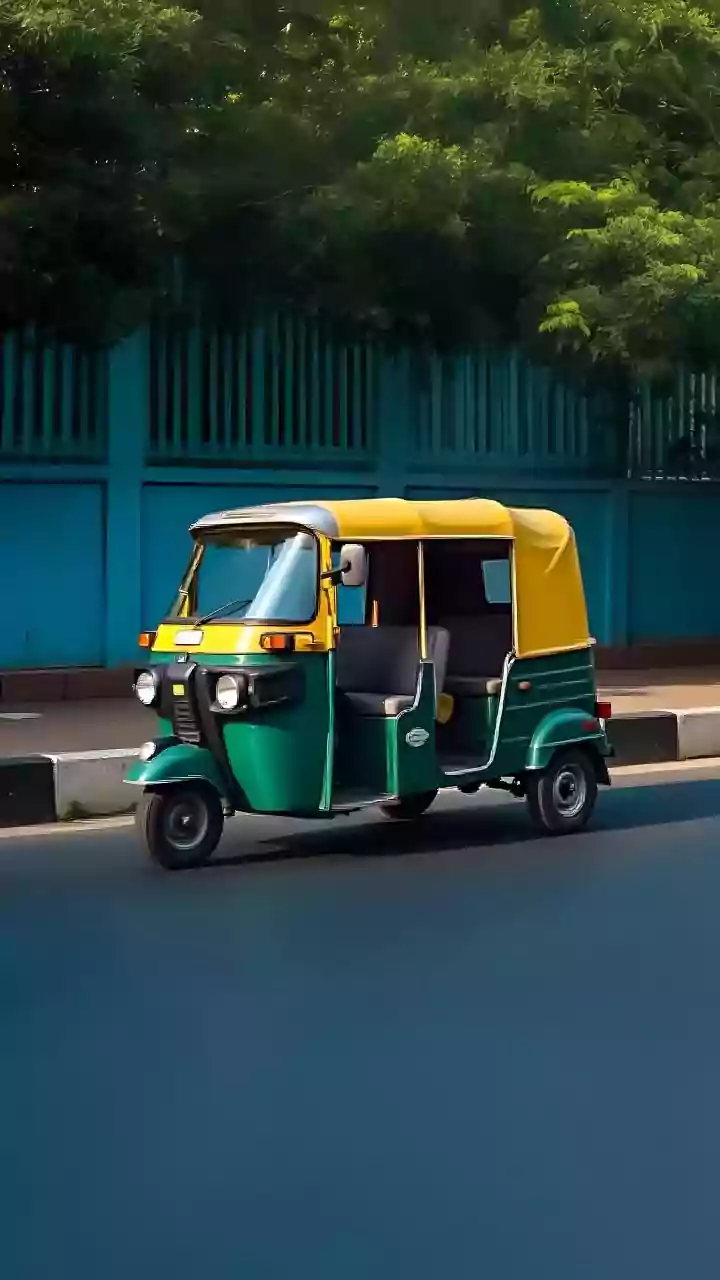
during the year. The growth was not uniform across all segments. The two-wheeler and three-wheeler categories continued to lead the charge, driven by favourable operating economics for both personal and commercial use. In fact, electric three-wheelers are expected to have a penetration of 62-65% by FY27. The passenger vehicle (PV) segment, though smaller in volume, was the star performer in terms of growth, with sales surging by over 80%. This momentum was powered by a wider range of models, growing consumer acceptance, and a clear shift in the market from early adopters to mainstream buyers.
The Road to FY27: What to Expect
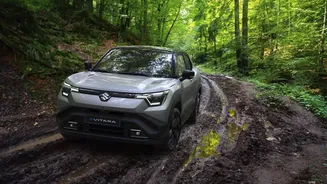
Building on this strong foundation, industry analysts project that EV penetration will climb to between 10% and 12% of the total auto market by fiscal year 2027. For the passenger vehicle segment specifically, the outlook is a robust growth from 4.4% in FY26 to a 6-8% share by FY27. This growth is expected to be concentrated in metropolitan areas and among higher-income consumers initially. The expansion will be fueled by the launch of numerous new models, with the number of available electric car models expected to exceed 35. Many of these new entrants are targeting the more accessible sub-₹15 lakh price point, which is critical for unlocking mass-market adoption in a price-sensitive country like India.
What's Fuelling the Growth?
Several key drivers are working in concert to accelerate India's EV transition. Government policy has been a cornerstone, with schemes like FAME (Faster Adoption and Manufacturing of Electric Vehicles) and various Production-Linked Incentive (PLI) schemes making EVs more affordable and encouraging domestic manufacturing. These incentives help reduce the high upfront cost, which remains a primary barrier for many buyers. At the same time, the ecosystem is maturing. An expanding charging infrastructure network, though still a work in progress, is helping to alleviate 'range anxiety'. Furthermore, a flurry of new model launches from established players like Tata Motors and Mahindra, as well as new entrants, is giving consumers more choice than ever before.
Bumps in the Road Ahead
Despite the optimistic outlook, the path to mass electrification is not without its challenges. The most significant hurdle remains the high initial purchase price of EVs compared to their internal combustion engine (ICE) counterparts. While total cost of ownership is often lower, the upfront investment is a major consideration for many Indian families. Another persistent issue is the charging infrastructure. While growing, it remains inadequate and unevenly distributed, especially outside of major cities and along highways. Reports of non-functional charging stations also highlight the need for better maintenance and reliability. Finally, the industry faces supply chain vulnerabilities, with heavy dependence on imported battery cells and other critical components, which can be affected by global price fluctuations and shortages.
What This Means for You, the Consumer
The rapid evolution of the EV market brings both opportunities and new considerations for potential car buyers. The growing number of models means more choice in terms of size, features, and price. Improved battery technology is leading to vehicles with longer ranges, making them more practical for a wider variety of uses. As the market matures, the resale value of EVs, once a major concern, is also expected to improve. The strong push from the government, combined with increasing competition among manufacturers, means that consumers can expect more capable and competitively priced electric vehicles in the near future. This trend signals a fundamental shift in India's automotive landscape, where electric power is set to become an increasingly common and viable choice for daily transport.