


The Classic: Rava Upma
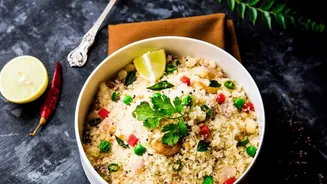
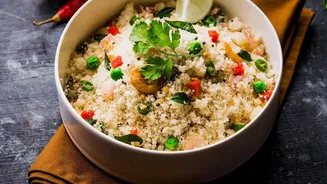
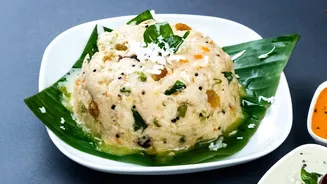
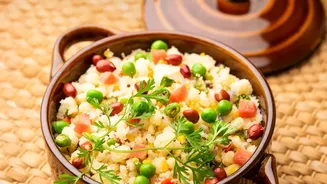
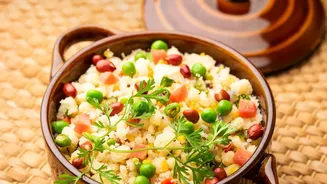
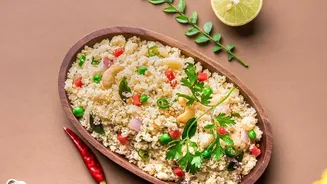
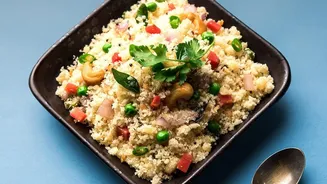
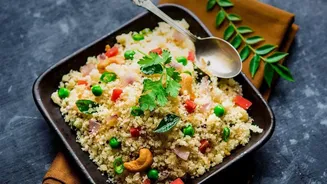
This is the version most people know and love. Made from dry-roasted semolina (rava or sooji), it’s a simple, comforting, and incredibly versatile dish. The basic preparation involves a tempering of mustard seeds, cumin seeds, curry leaves, and sometimes
urad and chana dal for crunch. Onions, green chillies, and ginger form the flavour base. From there, you can add a medley of vegetables like carrots, peas, and beans to make it a more wholesome meal. The key is the ratio of water to rava, which determines whether the final result is soft and porridge-like or fluffy and separate. It’s the perfect canvas for countless variations and a reliable go-to for a fast and filling meal.
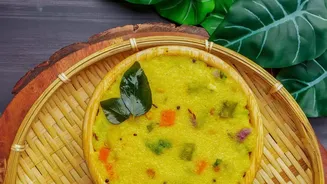
Karnataka's Flavourful Khara Bath
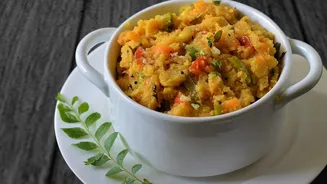
Travel to Karnataka, and you’ll find that upma has a spicier, more aromatic cousin called Khara Bath. While it shares the same semolina base, Khara Bath is distinguished by the addition of a special spice blend, often a vangi bath powder or a similar masala. This gives the dish its characteristic reddish-yellow hue and a complex flavour profile that is both savoury and tangy. It's typically loaded with more vegetables, especially tomatoes, and cooked with a generous amount of ghee. In many Bangalore eateries, Khara Bath is famously served alongside a sweet semolina dish called Kesari Bath, a combination affectionately known as 'Chow Chow Bath'.
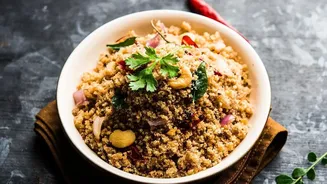
Tamil Nadu's Hearty Arisi Upma
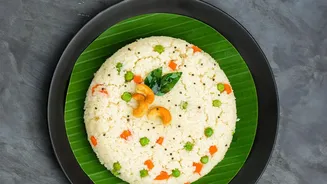
In Tamil Nadu, a popular and traditional version of upma bypasses semolina altogether in favour of rice. Arisi Upma, which translates to 'rice upma', is made from coarse, raw rice rava (often made by grinding raw rice and toor dal together). This substitution results in a completely different texture—less of a porridge and more of a fluffy, granular dish. The flavour is nutty and savoury, often enhanced with black pepper, cumin, and fresh coconut. The tempering typically includes mustard seeds, urad dal, and red chillies sautéed in coconut or sesame oil, which adds to its distinctive taste. It’s a filling and traditional tiffin item, often served with a spicy chutney or sambar.
Maharashtra's Savoury Sanja
Head west to Maharashtra, and you'll encounter Sanja, which is the region's take on savoury upma. While it uses the same core ingredient—roasted semolina—Sanja often has a softer, melt-in-the-mouth texture. The key differentiator is the use of buttermilk (taak) or curd along with water during the cooking process, which imparts a subtle tanginess to the dish. The tempering is similar, with mustard seeds, cumin, and curry leaves, but roasted peanuts are a common addition for a welcome crunch. Turmeric is also frequently used, giving it a pleasant yellow colour. Sanja is a perfect example of how a small change in ingredients can create a truly unique regional specialty.
The Light & Quick Aval Upma (Poha)
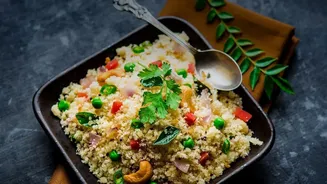
For those in a real hurry, Aval Upma is the answer. Made from flattened rice (known as aval in the south and poha in the west), this version is one of the quickest to prepare. Unlike semolina, the flattened rice doesn't need to be roasted; it just requires a quick rinse or soak to soften it. The softened flakes are then tossed into a tempering of mustard seeds, onions, peanuts, and spices. The result is a light, fluffy, and non-sticky dish that’s easy to digest. It absorbs flavours beautifully, whether it's the tang of lemon, the heat of green chillies, or the freshness of coriander. It is a beloved breakfast and snack food across many parts of India for its simplicity and speed.