







More Than Just Nature’s Lawnmowers
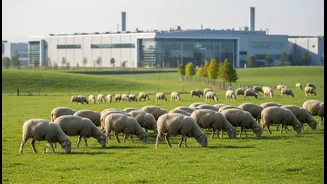
The most obvious benefit of swapping petrol mowers for sheep is the reduction in fossil fuel consumption and carbon emissions. There’s no noise pollution, and they can easily handle steep or tricky terrain that is difficult or dangerous for machinery.
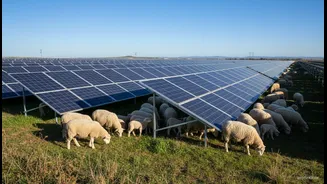
This practice, known as targeted or conservation grazing, is being deployed in a variety of landscapes, from vineyards and orchards to public parks and the grounds of historic monuments. For land managers, it can be a cost-effective solution. For instance, solar farm operators are increasingly hiring 'solar shepherds' to manage vegetation. The sheep keep grasses and weeds from shading the panels, eliminating the risk of mowers flinging rocks that could cause damage, and reducing the need for chemical herbicides. This creates a symbiotic relationship: the company saves on maintenance, and the farmer gets access to land and quality forage for their flock.
The Ripple Effect on the Ecosystem
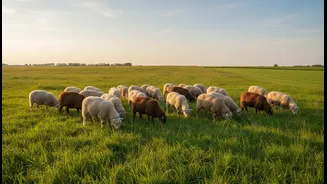
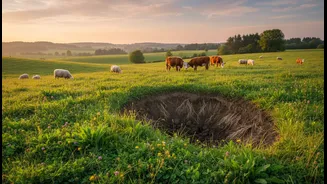
The wider environmental effects mentioned in the headline are where things get really interesting. Unlike a uniform buzzcut from a mower, sheep graze selectively. This can help control invasive weeds while allowing a wider variety of native plants and wildflowers to flourish, which in turn supports pollinators like bees and butterflies. Their hooves gently break up the soil, creating pockets for seeds to germinate, while their droppings provide a natural, slow-release fertilizer. This process enriches the soil with essential nutrients like nitrogen and phosphorus. Over time, this helps build healthier, more resilient soil that can hold more water, reducing runoff and erosion. The varied grass height they leave behind also creates a more diverse habitat structure, benefiting grassland birds and other small wildlife.
Science on the Pasture
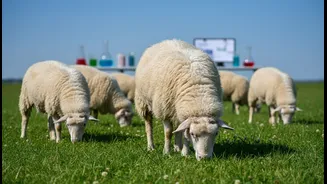
To quantify these benefits, scientists are conducting detailed studies. Researchers are taking soil samples, identifying plant species, and even using drones to monitor landscape changes. One major study on solar grazing projects in the northeastern United States looked at several key metrics before and after introducing sheep. The findings, published in 2025, were promising. They found that grazed solar sites tended to have higher soil organic matter, a crucial component for soil health and carbon storage. The soil pH was also more neutral, creating better growing conditions. Furthermore, the forage growing in the shade under the solar panels was found to have significantly higher crude protein, making it more nutritious for the sheep. While some changes take years to become statistically significant, early results consistently point toward improved ecosystem health.
Not a Solution for Every Field
Despite the many advantages, sheep are not a one-size-fits-all replacement for mowing. The practice requires skilled management to be successful. Without proper oversight, there is a risk of overgrazing, which can lead to the very soil degradation and biodiversity loss that well-managed grazing aims to prevent. The practice requires appropriate fencing to contain the flock and protect them from predators, as well as a knowledgeable shepherd to rotate the animals effectively. This ensures the livestock are moved before they eat the vegetation down to the roots, giving pastures a necessary rest and recovery period. Certain landscapes, like manicured sports fields or lawns where people frequently gather, are also less suitable for this approach. However, for many other green spaces, it offers a compelling, living alternative.