



The Science of Sweetness and Softness
When a fruit ripens, it’s undergoing a fascinating and complex transformation. The primary driver is a natural plant hormone called ethylene, which triggers a series of chemical changes. One of the most noticeable is the conversion of starches into simple
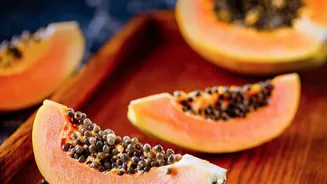
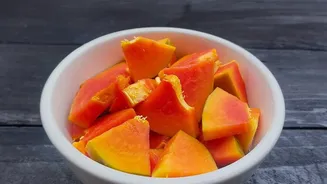
sugars like fructose and glucose. This is why an overripe banana or papaya tastes significantly sweeter than its firm, younger self. At the same time, enzymes like pectinase begin to break down pectin, the structural 'glue' that holds the fruit's cells together. This process is what causes the fruit to lose its firmness and develop that characteristic soft, sometimes mushy, texture. So, the change in texture isn't a sign of decay itself, but rather a natural part of the ripening journey.
The Nutritional Scorecard
Here’s the good news: that soft texture does not mean the fruit has lost its nutritional punch. While some sensitive vitamins, like Vitamin C, can begin to degrade over time with exposure to light and air, many core nutrients remain stable. Minerals such as potassium, famously found in bananas, are not significantly affected by the ripening process. In fact, the opposite can be true for certain compounds. Studies have shown that as fruit ripens, its antioxidant levels can actually increase. The brown spots on a banana, for instance, are an indicator of increased antioxidant activity. These antioxidants are valuable for their ability to combat cellular damage in the body. So, from a nutritional standpoint, overripe fruit is often just as good, and in some ways, even better.
Ripe vs. Rotten: Know the Difference
This is the most critical distinction every home cook must make. Overripe is perfectly fine; rotten is not. An overripe fruit is soft, sweet, and perhaps a bit bruised. A rotten fruit, however, poses a health risk. Be on the lookout for clear signs of spoilage. The most obvious is visible mould, which can sometimes produce harmful mycotoxins; it is not safe to simply cut off a mouldy spot, as the contamination can spread invisibly throughout the fruit. Other red flags include a foul, fermented, or sour smell, a slimy texture on the skin or flesh, or any leakage of fluids. These are signs that harmful bacteria or yeasts have taken hold. A simple rule to live by is: when in doubt, throw it out. Your senses are your best guide—if it looks, smells, or feels wrong, it's not worth the risk.
From Bin to Bliss: Uses for Old Fruit
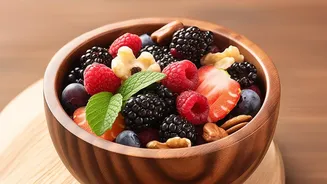
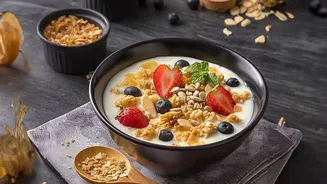
Instead of contributing to food waste, view your overripe fruit as an ingredient with new potential. The increased sweetness and soft texture make it ideal for a variety of culinary uses. The classic example is using spotty bananas for banana bread or muffins. The mushy texture incorporates seamlessly into batter, and the natural sweetness means you can often reduce the amount of added sugar in the recipe. Soft peaches, plums, or berries are perfect for making a quick jam or compote to spoon over yoghurt or pancakes. Overripe mangoes can be blended into a delicious pulp for a quick aamras or a smoothie. You can also chop up and freeze overripe fruits like bananas, strawberries, and mangoes to use in smoothies later, giving them a creamy, ice-cream-like consistency. By getting creative, you save money and make the most of the food you have.