





Deep-Fried Snacks
Piping hot puris, crispy pakoras, and savoury chaklis are often the first things we reach for. While delicious, these deep-fried foods are high in fats that are difficult to digest, especially after a fast. When your digestive system has been resting,
a sudden load of high-fat food can force it to work overtime, potentially causing discomfort, nausea, or cramps. It's best to start with lighter, baked or steamed options and introduce fried items in small portions a day or two after breaking your fast. Your gut will thank you for the gentle re-introduction.
Ultra-Sweet Mithai
No celebration is complete without mithai, but post-Navratri is a time for caution. Sweets like gulab jamun, jalebi, and soan papdi are loaded with refined sugar. Consuming a large amount of sugar on an empty or sensitive stomach can cause a rapid spike and subsequent crash in blood sugar levels, leaving you feeling tired. This sudden sugar rush can overwhelm your system. Enjoy these festive treats, but limit yourself to a small piece to satisfy the craving without disrupting your energy levels.
Rich, Creamy Curries
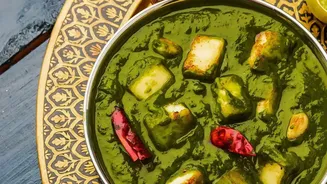
Heavy, cream-based gravies, while a staple of celebratory meals, can be a shock to a system accustomed to lighter fare. Dishes made with heavy cream, cashews, and excessive oil are dense and slow to digest. After days of eating simple foods like fruits, yoghurt, and vrat-friendly flours, your stomach isn't prepared for such a rich meal. This can lead to indigestion and a feeling of sluggishness. Opt for lighter, tomato-based or yoghurt-based curries initially, and save the shahi paneer for later in the week.
Refined Flour Breads
During Navratri, many avoid regular grains, opting for alternatives like buckwheat (kuttu) or water chestnut (singhara) flour. Jumping back to breads made with maida (refined white flour), such as naan or bhature, can be jarring. These flours lack fibre, which can contribute to digestive slowdown or constipation when your system is already trying to readjust. It's better to reintroduce regular grains gradually, starting with whole wheat rotis or simple rice dishes before moving on to heavier, refined-flour options.
Spicy and Complex Masalas
While spices like cumin and ginger can aid digestion, overly spicy foods can irritate a sensitive stomach lining. After a fast, your system may be more sensitive. A dish with a complex and fiery spice blend might trigger acid reflux or heartburn. Instead of going for the spiciest curry on the menu, choose dishes with mild, aromatic spices. This allows your digestive system to gradually get used to processing more complex flavours again without protest.
Heavy Dairy Products
While dairy like yoghurt and buttermilk is often consumed during fasting, heavy dairy products are a different story. Full-fat cream, rich rabri, or dense milk-based desserts can be hard to break down. Even paneer, if cooked in a very heavy gravy, can feel taxing. These foods are high in fat and can slow down digestion, making you feel bloated. Start with lighter dairy like curd or buttermilk to help improve digestion before indulging in richer preparations.
Carbonated and Sugary Drinks
It's easy to reach for a cold, fizzy drink to wash down a festive meal, but these beverages are often packed with sugar and artificial ingredients. The high sugar content can cause the same blood sugar spikes as sweets, and the carbonation can introduce excess gas into your digestive system, leading to bloating and discomfort. Hydration is key after a fast, but it's better to stick with water, coconut water, or fresh buttermilk to help your body rehydrate and recover gently.