




The Magic of Tempering, or Tadka
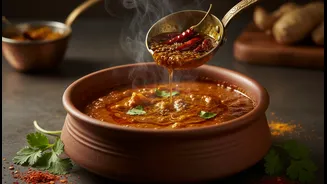
In Indian cooking, the secret to unlocking deep, complex flavour often lies in a technique called 'tadka' or tempering. It’s a process where whole or ground spices are briefly roasted in hot oil or ghee to release their essential oils. This aromatic,
spice-infused fat is then poured over a dish as a finishing touch or used as a flavour base at the beginning of cooking. The sound of mustard seeds popping and the fragrant cloud that erupts when curry leaves hit the hot oil is the sound and smell of a dish coming to life. This simple step is transformative, adding a layer of aroma and flavour that you can't get by just stirring spices into a pot. It's the difference between a good dish and a truly memorable one.
Why It Works for Tomato Rice
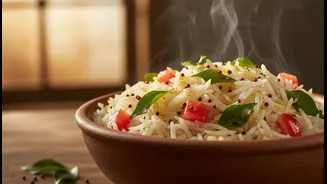
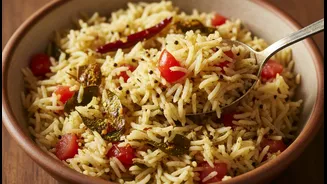
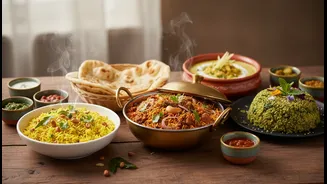
Tomato rice, or 'Thakkali Sadam' as it's known in South India, is a beloved dish for its tangy and satisfying profile. However, its success hinges on building layers of flavour. While the tomatoes provide a sweet and acidic base, the tempering introduces a warm, nutty, and fragrant counterpoint. Spices like mustard seeds add a pungent kick, lentils like urad dal and chana dal provide a nutty crunch, and curry leaves bring an unmistakable aromatic freshness. Asafoetida (hing) lends a subtle, savoury garlic-onion note that rounds everything out. This combination doesn't just add flavour; it creates texture and complexity, turning a simple rice dish into a complete and satisfying meal.
The Recipe: Bold Weeknight Tomato Rice
This recipe uses pre-cooked or leftover rice, making it a perfect quick meal. The key is to have all your ingredients ready before you start, as the tempering process is very fast.
Ingredients:
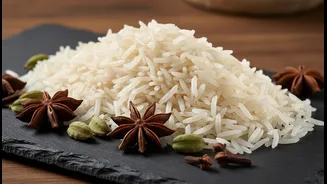
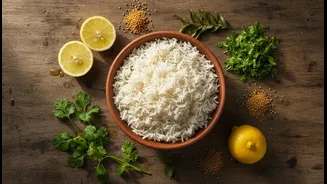
3 cups cooked and cooled rice (Basmati is great, but any non-sticky rice works)
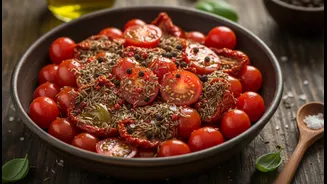
3 large, ripe tomatoes, finely chopped or puréed
1 medium onion, finely chopped
1 teaspoon ginger-garlic paste
1/2 teaspoon turmeric powder
1 teaspoon red chilli powder (adjust to taste)
1 teaspoon coriander powder
Salt to taste
2 tablespoons oil or ghee
Coriander leaves, for garnish
For the Tempering (Tadka):
1 teaspoon mustard seeds
1 teaspoon urad dal (split black gram)
1 teaspoon chana dal (split Bengal gram)
1-2 dried red chillies, broken
A pinch of asafoetida (hing)
1 sprig of curry leaves
Step-by-Step Instructions
1. Prepare the Base: Heat 1 tablespoon of oil or ghee in a pan or kadai over medium heat. Add the chopped onions and sauté until they turn soft and translucent. Add the ginger-garlic paste and cook for another minute until fragrant.
2. Cook the Tomatoes: Add the chopped tomatoes, turmeric powder, chilli powder, coriander powder, and salt. Cook until the tomatoes break down and become a thick, mushy paste, and you see the oil starting to separate from the masala. This step is crucial for developing a deep tomato flavour.
3. Combine with Rice: Add the cooked rice to the pan. Gently mix everything, breaking up any lumps, until the rice is evenly coated with the tomato masala. Turn off the heat.
4. Make the Tempering: In a separate small pan (a tadka pan is ideal), heat the remaining 1 tablespoon of oil or ghee. Once the oil is hot, add the mustard seeds. When they begin to splutter, add the urad dal and chana dal. Fry until they turn golden brown—be careful not to burn them. Add the broken red chillies, asafoetida, and finally the curry leaves (stand back as they will sizzle).
5. Finish the Dish: Immediately pour the sizzling tempering over the tomato rice. Mix everything gently. Garnish with fresh coriander leaves and serve hot.
Tips for Success
To ensure your tomato rice is perfect every time, keep these tips in mind. First, use cooled, leftover rice. Warm, freshly cooked rice can become mushy when mixed with the masala. If you must use fresh rice, spread it on a plate to cool down completely first. Second, use ripe, red tomatoes for the best flavour and colour. Finally, don’t rush the tempering. Wait for the mustard seeds to pop completely before adding the other ingredients; this indicates the oil is at the right temperature to extract the maximum flavour from all the spices. This final flourish is what makes all the difference.