







The Allure of a Personalised Plate
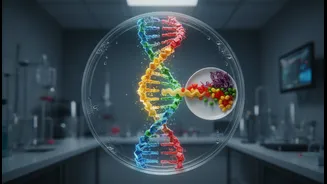
Precision nutrition, sometimes called personalised nutrition, is a fast-emerging field of science that moves beyond generic dietary advice. Instead of a one-size-fits-all approach, it aims to provide dietary recommendations tailored to an individual.
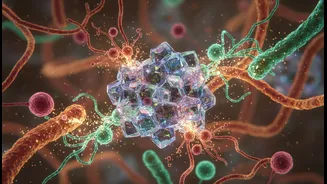
This is based on a deep analysis of your unique biological and lifestyle data, including your genetics, gut microbiome (the bacteria in your digestive system), metabolism, and even your sleep and exercise habits. The goal is to understand exactly how your body responds to different foods and nutrients to optimise health and prevent, manage, or treat diseases like obesity, diabetes, and heart conditions. The concept is simple and powerful: the ideal diet for your neighbour might not be the ideal diet for you, and understanding why could be the key to better health.
Early Promise and Exciting Potential
The potential benefits of precision nutrition are enormous. For decades, public health guidelines have offered general advice that works well for large populations, such as eating more fruits and vegetables and less processed food. However, these guidelines don't account for individual variability. We all know someone who can drink coffee all day without issue, while another person gets jittery after a single cup. Researchers have found this can be linked to specific genes. Applying this principle more broadly could revolutionise how we manage chronic conditions. For example, instead of standard advice for a person with type 2 diabetes, precision nutrition could identify the specific carbohydrates or meal timings that cause their individual blood sugar to spike, leading to more effective management. This tailored approach could offer a powerful new tool in public health, especially in a country as genetically and culturally diverse as India.
The Big 'But': Gaps in the Evidence
Despite the excitement, experts caution that the science of precision nutrition is not yet ready for widespread public use. A major hurdle is the lack of large, long-term, and diverse clinical trials. Many of the current studies are small and short-term, showing how different people's blood sugar or fat levels change immediately after a single meal. While interesting, this doesn't tell us if a personalised diet can prevent a heart attack ten years down the line. Furthermore, much of the existing research has been conducted on populations of European descent, which is a significant limitation. For precision nutrition to be effective in India, for example, research must include diverse Indian populations to create algorithms that are actually relevant.
Why Long-Term Data is So Crucial
Chronic diseases like diabetes and heart disease develop over decades, not days. That's why long-term studies are the gold standard in medical research. They are essential to prove that a specific intervention—whether a drug or a diet—is not only effective but also safe over many years. Without this long-term data, precision nutrition remains more of a promising hypothesis than a proven strategy for public health. Longer studies would allow researchers to track meaningful health outcomes, such as disease incidence or longevity, rather than just short-term biomarkers. They are needed to build the robust body of evidence required before this approach can move from research labs to routine clinical advice.
From Lab to Your Lunchbox
Beyond the need for more research, there are practical challenges to overcome. The technologies used to analyse your genes, microbiome, and metabolism are currently expensive and not widely accessible. There's also the challenge of translating incredibly complex data into simple, actionable advice that people can follow in their daily lives. For now, the most reliable path to good health remains the one paved with well-established advice. Eating a balanced diet rich in whole foods, getting regular physical activity, and maintaining a healthy weight are proven strategies that benefit almost everyone. While the future of a personally-tailored diet is bright, it's a future that we must approach with patience and scientific rigour.