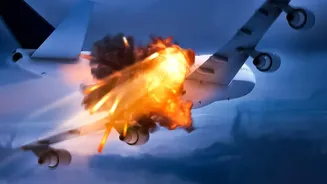




Thousands of flights cancelled. Travelers stranded across the country. The cause of a recent nationwide flight ground stop in the US wasn't a storm or a security threat, but something far more mundane: a single, misbehaving network router.
Chaos from a Single Box
On Friday, November
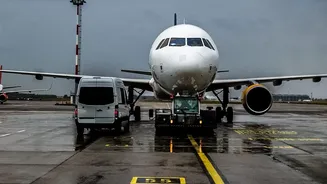
13, the U.S. Federal Aviation Administration (FAA) took the rare step of ordering a nationwide ground stop, halting all domestic departures for nearly five hours. The sudden decision left thousands of flights cancelled and many more delayed, with the ripple effects continuing for days. Airlines scrambled to manage grounded planes and stranded crews, while passengers at airports from Boston to Atlanta faced long lines and uncertainty. In total, the disruption affected thousands of flights, snarling air travel across the country. While those already in the air were allowed to land safely, the event was the longest national grounding since the September 11, 2001 attacks, highlighting a critical vulnerability in the nation's infrastructure.
An Upgrade That Caused a Breakdown
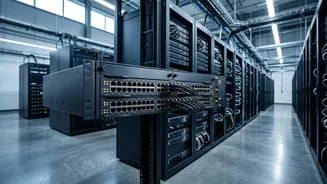
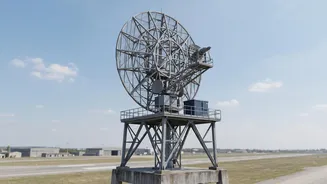
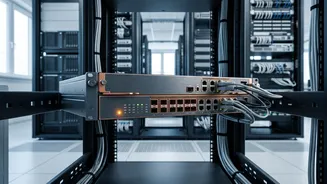
Investigators quickly ruled out a cyberattack, instead focusing on a routine equipment upgrade at a remote FAA telecommunications facility in El Dorado, Arkansas. The work, overseen by FAA contractor L3Harris, was part of a years-long effort to modernize the system by replacing old copper wires with new fiber-optic cables. The problem began shortly after a new Juniper-brand router was installed. According to the FAA, the device began flooding the network with an overwhelming number of connection requests—about a thousand every four to five seconds. This data deluge overloaded older, legacy systems at 17 of the FAA's 22 Air Route Traffic Control Centers, which manage high-altitude air traffic, causing instability in radar and communication feeds.
A Fragile System Exposed
How could one router cause such a massive failure? The incident exposed the fragility of the FAA's aging and complex network. While the system is supposed to have layers of redundancy, a single point of failure was able to cascade through the network, bringing it to its knees. Experts refer to the underlying issue as 'technical debt'—the accumulation of shortcuts and deferred fixes over many years that makes systems harder to maintain and more prone to unexpected breakdowns. The event showed that even though the new router may have been working 'as configured', its interaction with older parts of the system created a catastrophic failure. This wasn't the first time, either; a similar outage caused by a misconfigured router grounded hundreds of flights back in 2009, showing how long these vulnerabilities have persisted.
The Search for Answers and Solutions
In the aftermath, the FAA immediately paused the installation of any more new routers pending a full investigation. Officials are trying to determine the definitive root cause—whether it was defective equipment, an installation error, or a flaw in how the new and old systems were designed to interact. The incident has sparked intense scrutiny from Congress, with senators demanding to know why the system lacked sufficient redundancy and oversight. Transportation Secretary Sean Duffy called for an additional $50 billion to modernize the aviation infrastructure, arguing that the existing system is woefully underfunded and outdated. The event serves as a stark warning that simply bolting new technology onto old systems is not enough; true modernization requires a deeper overhaul to ensure resilience.