




The Double Threat: El Niño and Global Warming
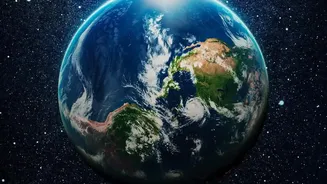
Think of global warming as a rising tide, slowly and steadily increasing the world's base temperature. Now, imagine a powerful wave riding on top of that tide. That wave is El Niño. On its own, El Niño is a natural and recurring climate phenomenon characterized
by the warming of sea surface temperatures in the central and eastern tropical Pacific Ocean. This warming releases a massive amount of heat from the ocean into the atmosphere, temporarily boosting global temperatures and altering weather patterns worldwide. However, this isn't a normal year. The current El Niño is developing over an ocean that is already the hottest in recorded history, having absorbed over 90% of the excess heat trapped by greenhouse gases. This combination is what has climate scientists concerned; the natural peak of El Niño is being amplified by an unnaturally warm baseline, creating a potent recipe for extreme heat.
A Record in the Making?
The signs are already here. The first half of 2026 was the third-warmest start to a year on record, with May and June ranking as the second-warmest ever as El Niño conditions took hold. Climate models are now forecasting that the current event could become one of the strongest, if not the strongest, El Niño ever recorded. While 2026 has a significant chance of becoming the warmest year on record, many scientists believe the biggest impact will be felt in 2027. This is due to a lag effect; since El Niño typically peaks late in the calendar year, its largest influence on global air temperatures often occurs in the following year. Forecasts suggest this could push the global average temperature to around 1.7 degrees Celsius above pre-industrial levels, smashing all previous records.
What This Means for India
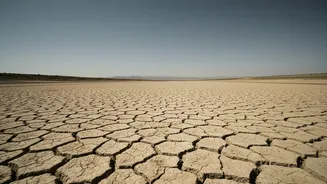
While global averages can feel abstract, the consequences of this supercharged climate system are very real for India. El Niño has a historically complex and often disruptive relationship with the Indian monsoon. A strong El Niño can weaken the monsoon rains, leading to drier conditions and potential droughts across large parts of the country. This poses a significant threat to India's agriculture, which is heavily reliant on monsoon rainfall, affecting crop yields, farmer livelihoods, and national food security. Beyond the monsoon, the added heat from the El Niño-global warming combination can exacerbate already intense heatwaves, pushing temperatures to dangerous and life-threatening levels. This increases the risk of heat stress, puts a strain on energy grids due to high demand for cooling, and can worsen water scarcity issues. The altered weather patterns can also lead to more erratic and extreme rainfall events in some regions, increasing the risk of flash floods even within a generally drier season.
An 'Uncharted Territory'
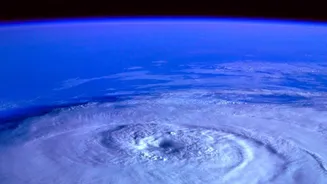
Scientists use the term 'uncharted territory' for a reason. While we have historical data on past El Niño events, the current one is occurring in a world that is already 1.4 degrees Celsius warmer than pre-industrial times. Some climate model ensembles are projecting a peak that is significantly above any event observed in the last 150 years. One climate scientist at Berkeley Earth described the margin as “truly mind-blowing.” This means that historical comparisons can only tell us so much. We are conducting a real-time global experiment, and the combination of a record-strong El Niño with record-hot oceans and a record-warm atmosphere means the potential for unprecedented climate extremes—from heatwaves and droughts to floods and storms—is higher than ever. The world is not just getting warmer; it is becoming more volatile.