





Beyond the Metro Bubble
The narrative of India's economic growth is no longer confined to Delhi, Mumbai, and Bengaluru. A significant consumption boom is being driven by Tier-2 cities, which are emerging as powerful, independent markets. This shift is fueled by rising disposable
incomes, increased digital exposure, and a young, aspirational population that is less likely to migrate to metros for opportunities. In this evolving landscape, coffee has become more than just a beverage; it's a symbol of a new lifestyle. As a result, the specialty coffee scene, once an urban niche, is finding fertile ground in India's heartland, with some brands reporting that their Tier-2 outlets are even outperforming those in major cities.
It's About the Experience
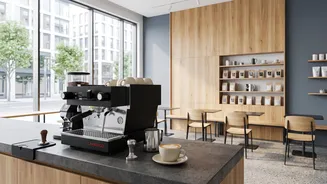
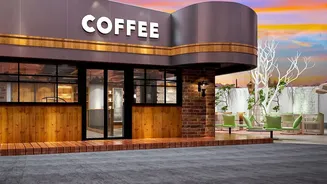
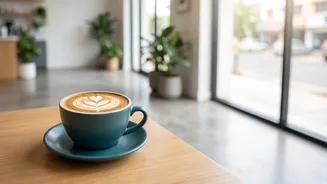
For this new wave of customers, a cafe is not just a place to get a quick caffeine fix. It is what sociologists call a 'third place'—a space between home and work to socialize, work remotely, or simply relax. These consumers are seeking well-designed, 'Instagrammable' interiors, reliable Wi-Fi, and a welcoming ambiance. Brands are responding by creating large-format, hospitality-focused cafes that serve as community hubs. Some host events like coffee tastings, cupping sessions, and even music nights to foster a sense of community and create an experience that goes far beyond the cup. This focus on experience is transforming cafes into lifestyle destinations where social engagement and self-expression are just as important as the menu.
A Growing Thirst for Quality
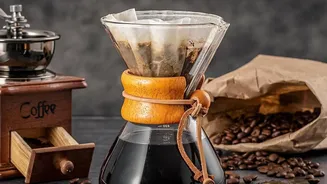
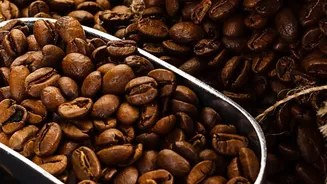
The days of instant coffee dominating the entire market are fading. While it remains a convenient option for many, a growing and influential segment of consumers in Tier-2 cities is demanding better quality. Exposed to global trends through travel and social media, their palates have evolved. They are curious about single-origin beans, different roast profiles, and manual brewing methods like pour-overs and the AeroPress. This shift is evident in the success of specialty coffee chains like Blue Tokai and Third Wave Coffee, which emphasize traceability and freshness, often printing the roast date on their packages. These brands are educating consumers, making high-quality, freshly roasted coffee accessible and turning what was once a luxury into an everyday choice.
The Power of Local Connection
While global trends are influential, success in Tier-2 markets often hinges on local relevance. Consumers are looking for brands that feel authentically connected to their city's culture. This can take many forms, from incorporating local design elements and art into cafe interiors to adapting menus to suit regional tastes. Some brands have found success by merging international coffee standards with local flavors, creating a product that feels both aspirational and familiar. Rather than simply copying a metro model, smart brands are partnering with regional entrepreneurs who understand the nuances of the local market. This approach builds a deeper connection with the community, proving that the most successful strategy is one that respects and reflects the local identity.