








The Hidden World of Dust
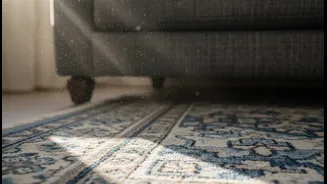
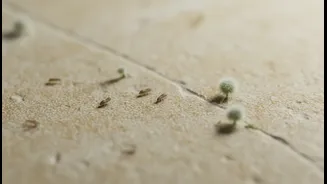
That fine layer of grey fluff on your shelves is more complex than you might think. Household dust isn't just dirt from outside; it's a microscopic cocktail of particles. A single speck can contain dead human skin cells, pet dander, fabric fibres, pollen
that has drifted indoors, food debris, mold spores, and bacteria. Most significantly, it's the primary home for dust mites. These tiny creatures thrive in warm, humid conditions and feed on skin flakes. It’s not the mites themselves but their waste particles that are a major source of year-round allergies. This is why a simple swipe isn't always enough; the enemy is a complex ecosystem, not just simple dirt.
Are You Cleaning or Just Rearranging Dust?
Some of the most common cleaning methods can actually make your allergy symptoms worse. Using a dry cloth or a traditional feather duster often just pushes dust particles into the air, allowing them to settle elsewhere or be inhaled. Similarly, using a vacuum without a High-Efficiency Particulate Air (HEPA) filter can be counterproductive. Standard vacuums can suck up large debris but may spit the tiniest, most allergenic particles right back into the room's air. Even shampooing carpets, if not dried thoroughly, can create a damp environment perfect for the proliferation of dust mites and mold. Scented cleaning products can also be an issue, as the chemicals in them can irritate airways and trigger allergy-like symptoms.
Upgrade Your Cleaning Toolkit
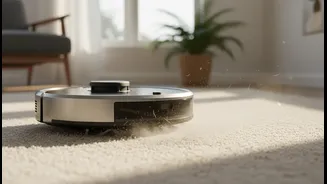
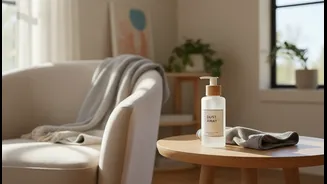
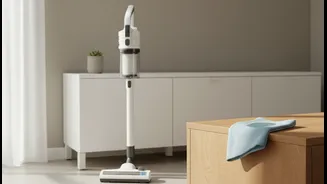
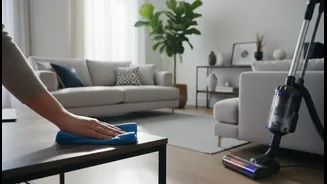
To truly capture and remove allergens, you need the right tools. Swap out dry cloths for damp or microfiber cloths, which trap dust instead of scattering it. When vacuuming, a model with a certified HEPA filter is essential, as these are designed to trap microscopic particles like pollen, dander, and dust mite debris. Pay special attention to soft furnishings, upholstery, and carpets, where allergens love to hide. For bedding, a key battleground, wash sheets, pillowcases, and blankets weekly in hot water (at least 54°C) to kill dust mites. Encasing mattresses, box springs, and pillows in dust-mite-proof covers can also create a barrier that keeps allergens from reaching you.
Control Your Home's Environment
Beyond active cleaning, managing your home’s overall environment is crucial. Dust mites and mold thrive in humidity. Aim to keep the humidity level in your home between 40% and 50% using dehumidifiers, especially in damp areas like basements and bathrooms. Using an exhaust fan during and after showers helps reduce moisture. An air purifier with a HEPA filter can also significantly improve indoor air quality by continuously capturing airborne allergens. Finally, decluttering can have a big impact. Fewer knickknacks, books, and piles of magazines mean fewer surfaces for dust to collect on, making cleaning easier and more effective.
A Targeted Strategy for Allergen Hotspots
Focus your efforts on the areas where you spend the most time and where allergens accumulate. The bedroom is priority number one. Beyond bedding, consider replacing heavy drapes with washable curtains or blinds and minimising upholstered furniture and wall-to-wall carpeting if possible. Washable area rugs are a better alternative. In living areas, regularly vacuum upholstered furniture and wash any throws or cushion covers. Keep pets out of the bedroom if you have pet allergies, and bathe them regularly to reduce dander. By implementing a smarter, more strategic cleaning plan, you can go beyond surface-level tidiness to create a home that is truly a healthier, more comfortable space to breathe in.