






Understanding the 52.8% Figure
First, let's break down the jargon. Gross Value Added (GVA) measures the value of goods and services produced in an area, industry, or sector. It's a key indicator of economic health. For an entire economic sector to contribute more than half of a state's
total GVA is highly significant. This data, highlighted in the recent CRISIL-NITI Aayog Investment Friendliness Index (IFI) 2026, confirms Chhattisgarh's identity as an industrial powerhouse. By comparison, the industrial sector's share in GVA for many other states is considerably lower, often balanced more evenly with agriculture and services. This heavy concentration underscores a unique economic structure built on a foundation of industrial activity.
The Engines of Growth: Steel, Power, and Mining
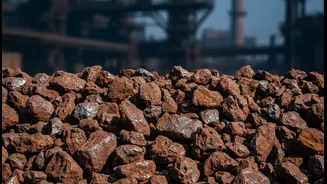
Chhattisgarh's industrial dominance is not accidental; it's rooted in its immense mineral wealth. The state is a leading producer of crucial resources like coal, iron ore, and dolomite. This natural endowment has made it a nerve center for heavy industries. The Bhilai Steel Plant, once India's largest integrated steel plant, catalyzed industrial development in the region decades ago. Today, the state is teeming with large and medium-scale steel industries producing everything from pig iron to rails. Alongside steel, the power sector is another pillar. Korba is known as one of India's major power-producing hubs, thanks to its vast coal reserves. The mining industry itself is a massive contributor, forming the backbone that supports both steel and power generation.
The Other Side of the Coin
While industry powers the state's economy, this heavy reliance presents a complex picture. The agriculture sector, which employs a staggering 80% of the state's workforce, contributes a smaller portion to the GVA, estimated at around 20-22%. This creates a disconnect where the largest employer is not the primary economic driver. Furthermore, intense industrial and mining activities have raised significant environmental and social challenges. Issues like air and water pollution, responsible waste management, and the complexities of land acquisition in a region with a significant tribal population are ongoing concerns that the state must navigate carefully.
Policy, Investment, and the Road Ahead
The state government appears keen to build on its industrial strength. Recent reports indicate Chhattisgarh has attracted massive investment proposals worth nearly ₹8 lakh crore in just 18 months, topping investor-friendly rankings in categories like regulatory ease and institutional environment. The state's new Industrial Development Policy for 2024-2030 aims to further this growth by leveraging local resources and promoting diversification into emerging sectors like semiconductors, AI data centers, textiles, and pharmaceuticals. The policy also emphasizes creating an investor-friendly climate to attract new businesses while promoting employment for locals.