



What Exactly Is Rooibos?
First things first, rooibos (pronounced 'roy-boss') isn't technically a tea. True teas—like black and green tea—come from the Camellia sinensis plant, which naturally contains caffeine. Rooibos is an herbal infusion made from the leaves of the Aspalathus
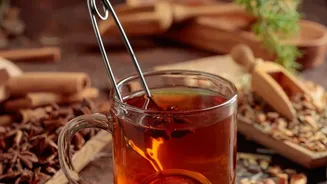
linearis shrub, a plant grown exclusively in South Africa's Cederberg region. This plant belongs to the legume family, making it more related to peas than to traditional tea. The leaves are typically fermented, which gives the brew its signature reddish-brown colour and sweet, earthy flavour. An unfermented 'green' rooibos also exists, which is grassier in taste. Its key selling point is that it's completely caffeine-free, making it a soothing choice for any time of the day.
Claim: It's Packed With Unique Antioxidants
This claim is largely true. Rooibos is rich in antioxidants, which are compounds that help protect our bodies from cellular damage. Its antioxidant profile is quite different from that of green or black tea. It contains several powerful antioxidants, including quercetin and luteolin, but its most notable ones are aspalathin and nothofagin, which are incredibly rare and found almost exclusively in the rooibos plant. Studies show that drinking rooibos can increase the level of antioxidants in the body, although some research suggests this effect might be small and short-lived. These antioxidants are the source of many of the health claims associated with the tea.
Claim: It's Great for Your Heart and Blood Sugar
There is promising, but still developing, evidence in this area. Several studies, mostly on animals or in small human trials, suggest rooibos can be beneficial for heart health. For example, one study with 40 at-risk participants found that drinking six cups of rooibos daily for six weeks helped lower 'bad' LDL cholesterol and raise 'good' HDL cholesterol. Other research suggests it may inhibit an enzyme that increases blood pressure. Similarly, the antioxidant aspalathin has shown antidiabetic potential in animal studies by helping to balance blood sugar. While these findings are encouraging, scientists agree that larger-scale human trials are needed before making definitive health recommendations. For now, it's best seen as a supportive part of a healthy lifestyle, not a treatment.
Claim: It Can Prevent or Cure Major Diseases
This is where the 'miracle drink' myth begins to crumble. While the antioxidants in rooibos have been studied in test tubes for their potential to fight inflammation and even slow cancer cell growth, these findings are highly preliminary. There is currently no strong scientific evidence from human studies to suggest that drinking rooibos tea can prevent or cure diseases like cancer. Health claims are often based on anecdotal evidence or lab results that don't translate to real-world benefits in humans. Reputable health sources are clear: rooibos is a healthy beverage, but it is not a substitute for medical treatment or a proven defence against chronic illness.
The Verdict: A Safe and Healthy Choice
For most people, rooibos tea is a perfectly safe and enjoyable addition to their diet. One of its major advantages is being low in tannins, which are compounds found in black and green tea that can interfere with the body's absorption of iron. Being naturally caffeine-free means you can enjoy it in the evening without it disrupting your sleep. While generally very safe, there have been a few extremely rare reports of liver issues in individuals consuming very large amounts, so moderation is always wise. People with existing liver conditions might want to consult a doctor before making it a daily habit.