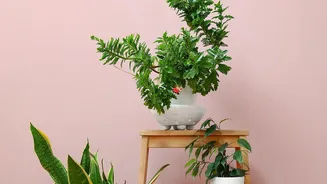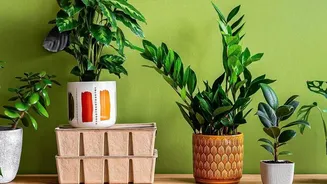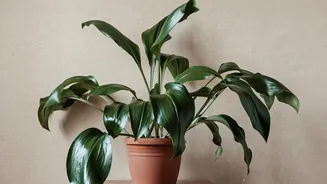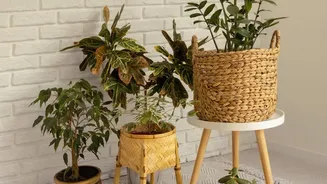






The idea that a few potted plants can scrub your home’s air clean is appealing. It started with a 1989 NASA study, sparking a global trend. But does adding a few green friends to your living room really make a difference to air quality?
The Famous NASA Study
The entire 'air-purifying
plants' trend traces back to a NASA study from 1989. Researchers were looking for ways to clean the air in sealed environments like space stations. They placed plants in small, airtight chambers and injected pollutants like formaldehyde and benzene. The results were promising: plants, along with the microorganisms in their soil, did absorb some of these chemicals. However, the study's conditions—a small, sealed box—are nothing like a typical, ventilated room in a house or apartment. This crucial detail is often lost in translation.
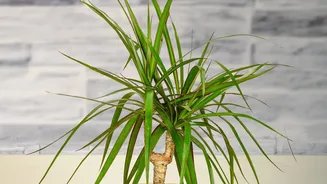
1. The Snake Plant (Dracaena trifasciata)
Often hailed as a top air purifier, the snake plant is famous for its hardiness and striking looks. The NASA study noted its ability to filter toxins. Uniquely, it performs a type of photosynthesis that allows it to release oxygen at night, making it a popular choice for bedrooms. The reality check, however, is that the amount of oxygen produced and toxins removed is minuscule in a normal-sized room. To have a significant impact on air quality, you'd need a huge number of plants—some studies suggest anywhere from 10 to 1,000 plants per square metre. So, while it's a fantastic, low-maintenance plant, don't expect it to replace your need for fresh air.
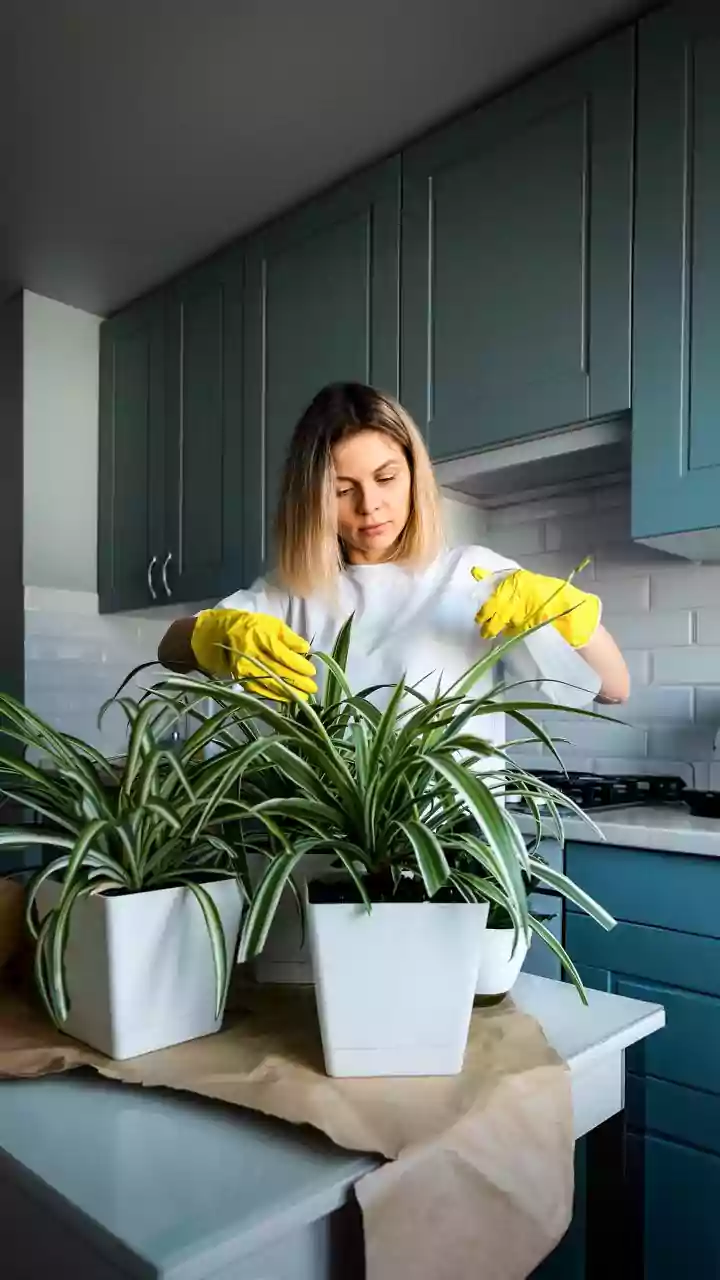
2. The Spider Plant (Chlorophytum comosum)
The spider plant is another champion of the original NASA study, celebrated for removing formaldehyde from the air in sealed chambers. It's also incredibly easy to grow and propagate, and it's non-toxic to pets, making it a household favourite. But like other plants on this list, its air-cleaning powers are heavily overstated in a real-world context. While it does absorb pollutants, the rate is far too slow to compete with the normal air exchange happening in your home from opening windows and doors. Enjoy the spider plant for its cheerful, cascading leaves and the fact that it's nearly impossible to kill, but not as a serious air-cleaning machine.
3. The Peace Lily (Spathiphyllum)
With its elegant white blooms and glossy leaves, the peace lily is often promoted as a powerhouse for removing a wide range of toxins, including ammonia, benzene, and formaldehyde. In lab tests, it was one of the most effective plants studied. It also has a high transpiration rate, meaning it releases moisture into the air, which can slightly increase humidity. The catch remains the same: scale. To truly replicate the lab results, your living room would need to be packed with hundreds of plants. One or two peace lilies will add beauty and a touch of nature, but their effect on your air quality will be negligible.
4. The Areca Palm (Dypsis lutescens)
The Areca Palm brings a lush, tropical feel indoors and is another plant listed in clean air studies for its ability to filter toxins like xylene and toluene. It's also known for being an effective natural humidifier, releasing a significant amount of water vapor into the air. A 2020 study from an Indian research institute did find that having several Areca palms in a room could significantly reduce certain pollutants. However, other analyses stress that ventilation is still far more effective. While it may be one of the better performers, it's a complement to, not a substitute for, clean air solutions.
5. The English Ivy (Hedera helix)
This prolific vine is frequently mentioned for its ability to filter airborne toxins, including formaldehyde and benzene. Some studies have also suggested it can reduce airborne mould particles in a sealed container, making it seem like a great choice for bathrooms. The problem, as confirmed by a comprehensive 2019 review, is that you'd need a veritable jungle of ivy to make a dent in your home's air quality. The effect of a few pots is simply too small to matter when compared to the air that circulates from the outdoors. Keep it for its trailing beauty, but be aware it's toxic to pets.
6. The Money Plant (Epipremnum aureum)
Known as Pothos or Devil's Ivy, the Money Plant is a staple in many Indian homes, cherished for its resilience and trailing vines. It was also part of NASA's research, noted for its effectiveness at removing formaldehyde. Its heart-shaped leaves and easy-going nature make it a perfect beginner plant. However, the scientific consensus is clear: its air-purifying capabilities in a typical home are minimal at best. Recent research from Punjab Agricultural University noted its benefits, but alongside other plants and in the context of improving overall indoor environments, not as a standalone purifier. It’s a wonderful decorative plant that brings a sense of life to a room, but it won’t solve air quality issues.