


The Fermentation Fascination
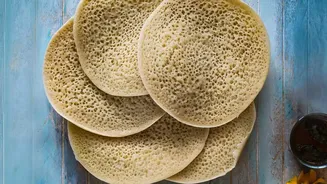
From South Indian idli and dosa to Gujarati dhokla and the humble dahi found in nearly every Indian household, fermented foods are a daily reality for many. Fermentation is a traditional method where microorganisms like bacteria and yeast break down sugars
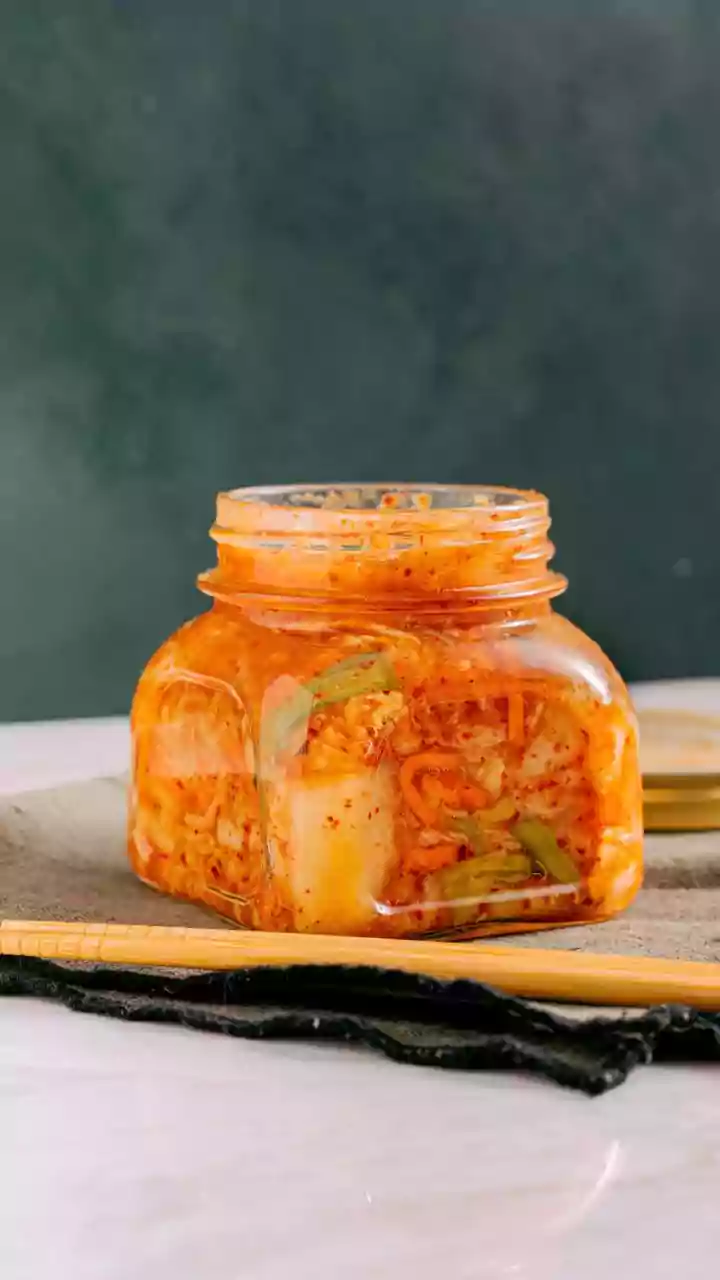
in food, creating unique flavours and textures. This process not only preserves the food but also enhances its nutritional profile. Recently, global trends have brought foods like kimchi and kombucha into the spotlight, but India has a rich history with hundreds of traditional fermented items, including pickles (achaar), fermented rice (panta bhat), and drinks like kanji. These foods are appreciated not just for their taste but for their role in our diet, which has been passed down through generations.
Monsoon Safety: A Guide to Proper Handling
The monsoon's high humidity and fluctuating temperatures create the perfect breeding ground for unwanted microbes, making food safety paramount. Fermented foods are particularly vulnerable. High heat can accelerate fermentation, potentially leading to over-fermentation where food spoils and harmful bacteria multiply. To stay safe, always start with clean hands and sterilised utensils and jars. Ensure vegetables stay fully submerged in brine to prevent exposure to air, which can cause mould. Trust your senses: if a ferment smells rotten, foul, or like nail polish, or if you see fuzzy mould (green, black, blue, or pink), it is spoiled and must be discarded. A pleasant tangy smell and some bubbles are normal signs of healthy fermentation. Once your ferment is ready, promptly move it to the refrigerator to slow down the process and maintain its quality.
Miracle Cure or Healthy Habit?
Fermented foods are often marketed as miracle cures, but it's important to separate hype from reality. Their main benefit comes from probiotics, the beneficial bacteria that can support a healthy gut microbiome. A balanced gut is linked to better digestion, a stronger immune system, and reduced inflammation. Fermentation can also increase the levels of certain nutrients, like B vitamins, and make foods easier to digest. However, these foods are not a cure-all. While they contribute to overall health, they cannot reverse major diseases. Furthermore, not all fermented products contain live probiotics; processes like baking, frying, or pasteurization can kill the beneficial microbes. It's also worth noting that some products, like certain pickles or kombuchas, can be high in salt or sugar, so moderation is key.
Delicious Monsoon Meal Ideas
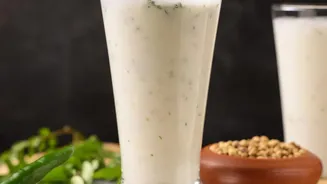
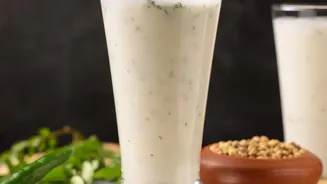
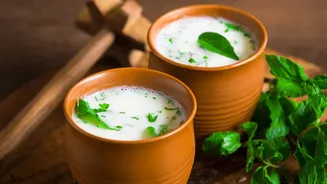
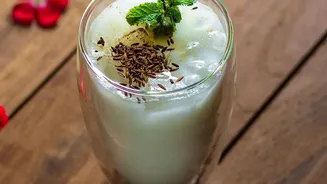
Incorporating fermented foods into your monsoon diet can add both flavour and variety. Beyond a simple bowl of dahi, consider starting your day with freshly steamed idlis or dhoklas, made from batter that was carefully fermented. A glass of chaas (buttermilk) is a refreshing and hydrating drink that also aids digestion during humid weather. Traditional homemade pickles, which are fermented over weeks, can be a flavourful accompaniment to your meals, but ensure they are the oil-based kind, not those simply preserved in vinegar. For a North Indian touch, kanji, a drink made from fermented black carrots, is a probiotic powerhouse. Even leftover rice can be transformed into panta bhat by soaking it overnight to ferment, creating a simple, gut-friendly meal for the next day.