






Start with Ventilation
The single most effective strategy against dampness is promoting air circulation. High humidity during the monsoon means moisture is constantly trying to settle in enclosed spaces. Whenever there's a dry spell, even for an hour, throw open your windows
and doors to create cross-ventilation. This simple act helps flush out humid, stagnant air and replaces it with fresher, drier air. If you use an air conditioner, running it can also help dehumidify a room. For enclosed spaces without windows, like walk-in closets or bathrooms, using an exhaust fan for 15-20 minutes can make a significant difference.
Keep Your Wardrobes Dry and Fresh
Wardrobes are prime targets for dampness, leading to musty-smelling or even mouldy clothes. To protect them, first ensure you never store damp or semi-dry clothes. Secondly, avoid over-packing your cupboards. Leaving some space between garments allows air to circulate, which is crucial for preventing moisture buildup. For added protection, place moisture absorbers inside. Small pouches of silica gel, often found in new shoe boxes or bags, are excellent for this purpose. They are designed to absorb and trap moisture effectively. Place a few sachets in the corners of your shelves and replace them when they become saturated. Leaving wardrobe doors open for a little while on dry days can also help air them out.
Natural and DIY Moisture Absorbers
You don't always need to buy commercial products; your kitchen and pooja room may hold the answer. Camphor (kapur) is a traditional and highly effective solution. It not only absorbs moisture but also acts as a natural pest repellent and leaves a fresh scent. Just place a few camphor tablets in a muslin cloth bag and hang it in your wardrobe. Other great natural options include activated charcoal and dried neem leaves. Charcoal is fantastic for absorbing both moisture and odours, while neem's antifungal properties help prevent mould. For a simple DIY dehumidifier, a bowl of rock salt or baking soda placed in a damp corner can also work wonders in smaller spaces.
Tackling Damp Walls
Damp patches on walls are not just unsightly; they can lead to peeling paint and structural issues if ignored. The first step is to identify the source. Check for any leaks in pipes, roofs, or around windows and get them sealed professionally. Creating a small gap between furniture and external walls can improve airflow and prevent moisture from getting trapped. For persistent dampness, consider applying a coat of waterproof paint or sealant before the monsoon begins. In areas with visible mould, a solution of boiled neem water can be used as a natural antifungal spray to clean the surface and prevent regrowth.
When to Use an Electric Dehumidifier
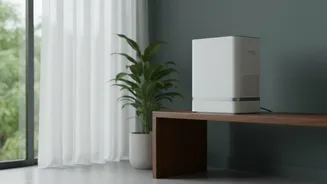
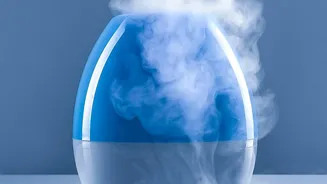
For rooms with chronic humidity problems or poor ventilation, an electric dehumidifier can be a game-changer. These appliances actively pull moisture from the air, collecting it as water, and can significantly lower the indoor humidity levels to the recommended 30-50%. They are especially useful in basements, large walk-in closets, or rooms that don't receive much sunlight or airflow. While it's an investment, a dehumidifier can be the most powerful tool in your arsenal to protect expensive electronics, wooden furniture, and your family's health from the negative effects of excessive dampness. Running one on particularly humid days can make your entire home feel more comfortable and fresh.