






The New 30-Day Rule Explained
The key update for Indian passport holders is a change in the length of visa-free stay. Effective from September 15, 2026, Indian tourists can enter Thailand without a visa and stay for up to 30 days. This is a reduction from the previous 60-day period
that was in place since 2024. It's important to note that visa-free entry itself has not been cancelled; the change only affects the duration. For the vast majority of Indian tourists, whose trips typically last between one and two weeks, this 30-day window is more than sufficient and will not practically impact their holiday plans. The change primarily affects long-stay travellers, backpackers, or those who were using the longer duration for extended visits.
Why the Change? Balancing Tourism and Security
Thailand's decision to adjust the visa-free stay duration for over 60 countries, including India, is part of a broader strategy to tighten immigration controls. Thai authorities have expressed concerns about the misuse of the extended 60-day stay by some foreigners for activities outside the scope of tourism, such as working illegally or engaging in criminal activities. The government aims to curb these abuses while still welcoming genuine tourists. The move is seen as a way to maintain the economic benefits of tourism, which is a significant contributor to Thailand's GDP, while enhancing national security. Since the beginning of 2026, Thailand has recorded 20.9 million foreign arrivals, a slight decline compared to the same period in 2025.
The Indian Traveller: A Coveted Market
The continuation of visa-free access, even with a shorter duration, underscores the immense value of Indian tourists to the Thai economy. India ranks as one of Thailand's most important tourism markets. In 2023, over 1.6 million Indians visited the country, and their spending has a significant economic impact, contributing billions of baht to hotels, shopping, and local businesses. Indian tourists are known for being high-value visitors, with a growing trend of destination weddings in Thailand, where a single event can generate substantial revenue and support numerous local jobs. This economic contribution is why Thailand continues to actively promote itself as a premier destination for the Indian market.
A Broader Trend in Southeast Asia
Thailand is not alone in recognising the potential of the Indian outbound tourism market. Several other countries in Southeast Asia and beyond have also eased their visa regulations for Indian passport holders. Nations like Malaysia, Sri Lanka, and Kenya have introduced visa-free policies to attract a larger share of India's rapidly growing number of international travellers. This regional competition puts pressure on countries to offer convenient and hassle-free travel experiences. The visa-free arrangement, therefore, is a crucial tool for Thailand to remain a top choice for Indians planning an international holiday, competing directly with other attractive and accessible destinations.
What This Means for Your Next Trip
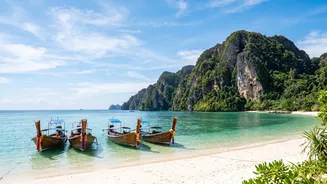
For anyone planning a standard holiday to explore Bangkok's markets, Phuket's beaches, or Chiang Mai's temples, nothing has fundamentally changed. The process remains simple: you do not need to apply for a visa in advance. The 30-day stay is ample time for most vacation itineraries. However, if you intend to stay longer than 30 days, you should now consider applying for an appropriate visa before your travel, as extensions granted within Thailand are not guaranteed. The key takeaway is that Thailand remains as welcoming and accessible as ever for short-term tourism, cementing its status as a hassle-free and beloved destination for Indians.